
Fiberglass poles are gaining ground in industrial, urban, and electrical projects because they offer an extremely efficient combination of strength, lightness, and durability. In a scenario where infrastructure needs to last longer and require less maintenance, composite materials are emerging as a strategic solution.
In addition to their high structural performance, these poles also offer significant advantages in terms of electrical safety, corrosion resistance, and sustainability. As a result, energy companies, construction firms, and manufacturers are increasingly seeking alternatives to traditional concrete or steel models.
In this comprehensive guide, you'll learn:
- What Are Fiberglass Poles?
- What are its main advantages?
- Where they can be used
- How Industrial Manufacturing Works
- Which modern technologies improve its quality?
According to analyses by the composites industry, fiber-reinforced structures can reduce maintenance costs by up to 40% over their service life when compared to metal structures exposed to corrosion.
What Are Fiberglass Poles?
Fiberglass poles are structures made from composite materials, typically combining fiberglass with special high-strength resins. The result is an extremely sturdy product that is significantly lighter than steel or concrete.
These poles are designed to withstand intense mechanical stresses, severe weather conditions, and corrosive environments without compromising structural performance. As a result, they have become very popular in electrical, industrial, and urban projects.
How Composite Structures Work
The poles are made of continuous fibers impregnated with thermosetting resins. This process creates a component with an excellent strength-to-weight ratio.
Among the main materials used are:
- E-Glass fiberglass
- Polyester resin
- Epoxy resin
- UV Additives
- Anti-corrosion coatings
Why Electrical Insulation Is Important
Unlike steel, fiber-reinforced poles have natural insulating properties. This reduces electrical hazards in urban and industrial systems.
In addition, low electrical conductivity improves safety in:
- distribution networks
- industrial areas
- substations
- street lighting
- telecommunications
Key Advantages of Fiberglass Poles
The growing use of this type of structure is no coincidence. The operational and economic benefits are extremely significant for modern infrastructure projects.
High Corrosion Resistance
One of the biggest advantages is their chemical and environmental resistance. While metal structures rust and concrete poles wear down, composites remain stable for decades.
This is especially important in:
- coastal regions
- chemical industries
- areas with high humidity
- saline environments
- industrial plants
Lightweight and Easy to Install
Fiberglass utility poles are much lighter than conventional models. This reduces logistics costs and simplifies installation in the field.
In addition, weight reduction allows for:
- less use of cranes
- faster installation
- operating expenses
- lower risk of accidents
Sustainability and Long Service Life
Another key advantage is their extended service life. In many cases, composite poles last for decades with minimal maintenance.
This results in:
- waste reduction
- lower material consumption
- less environmental impact
- best value for money over time
How Industrial Production of utility poles works
Modern fiberglass pole manufacturing uses advanced structural composite technologies to ensure standardization, technical performance, and high mechanical strength.
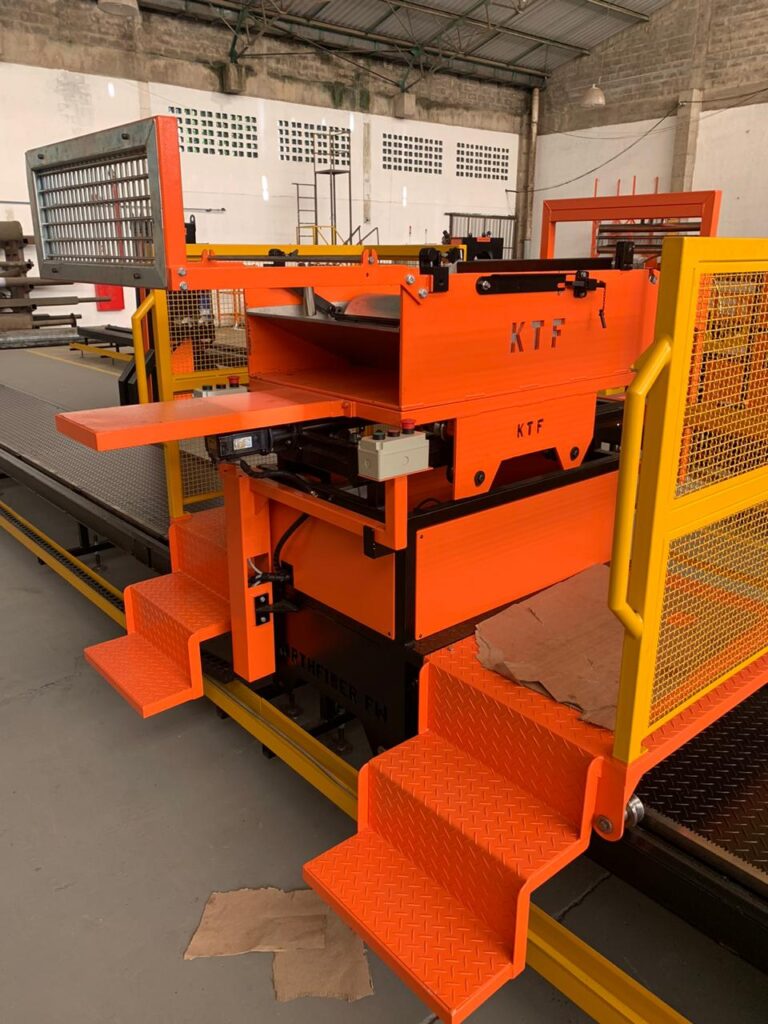
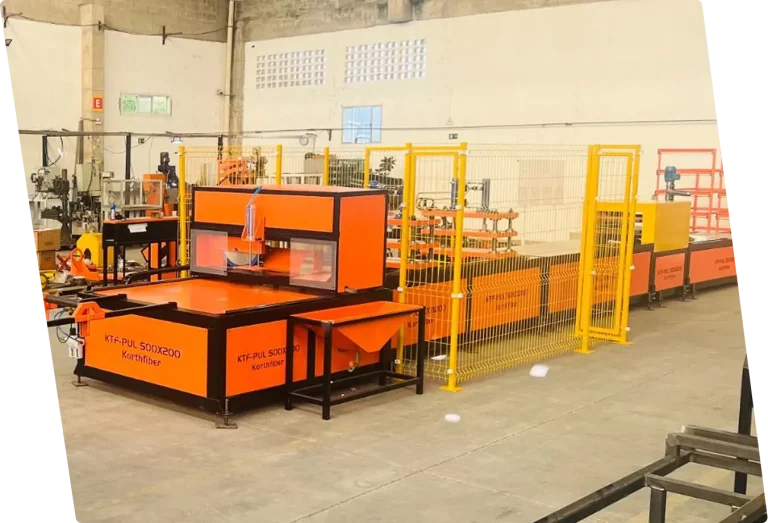
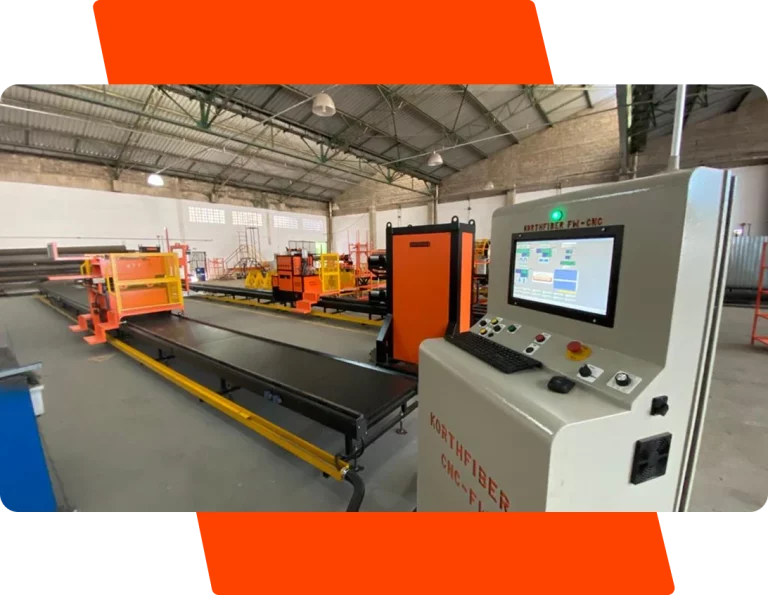
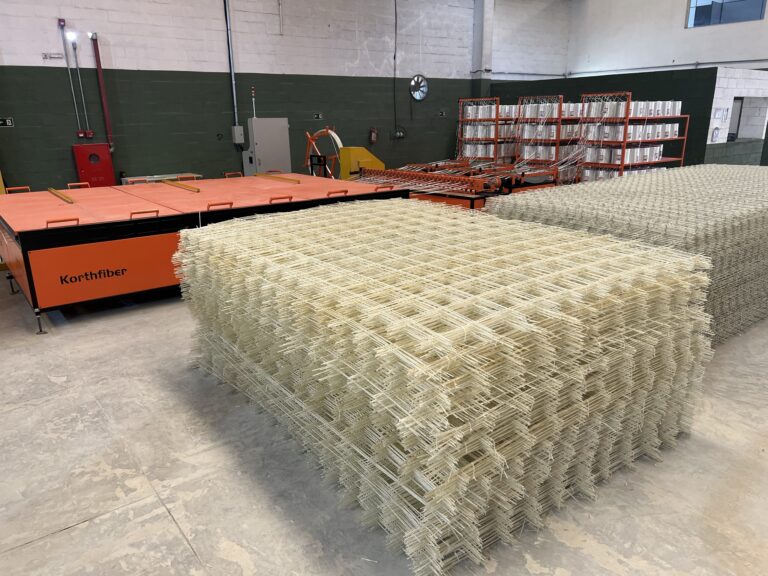
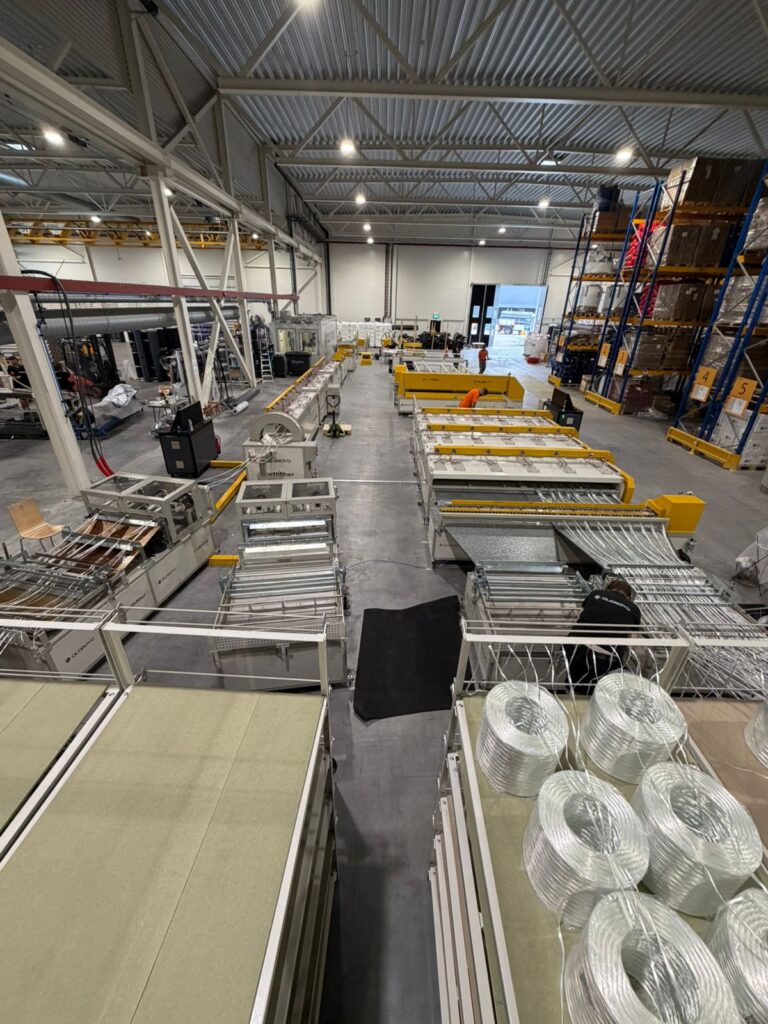
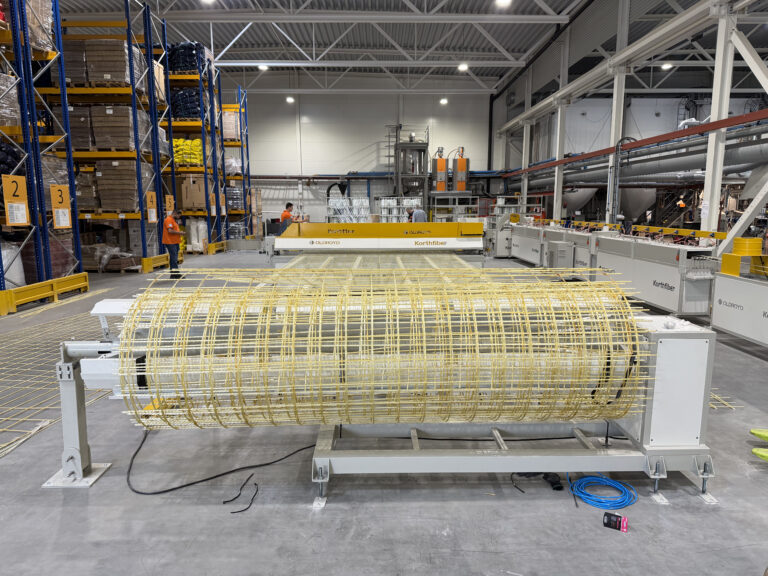
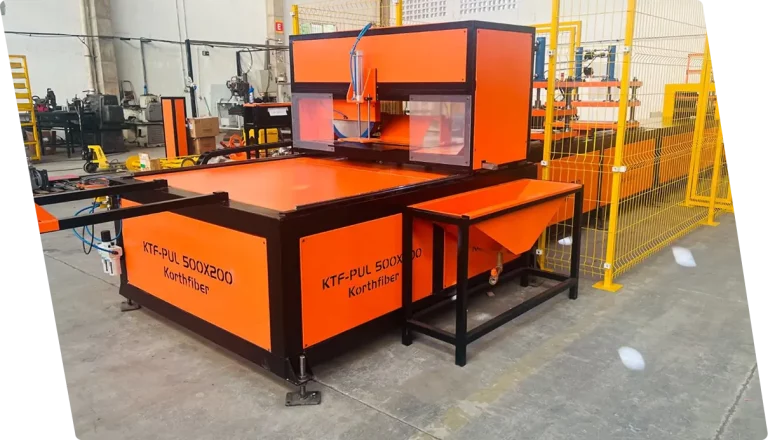
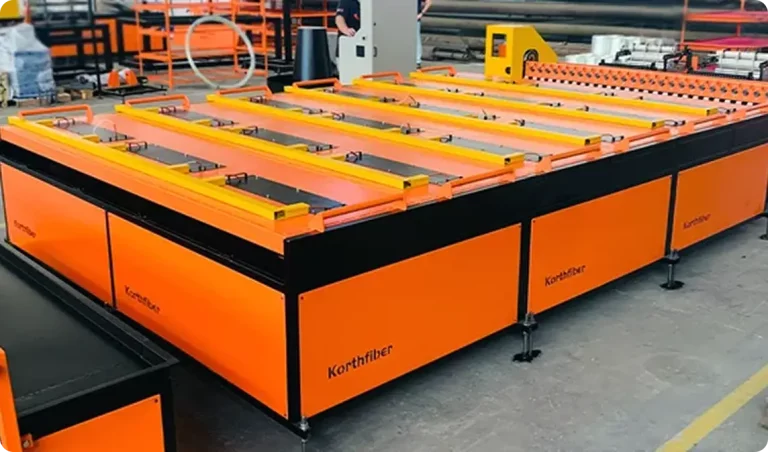
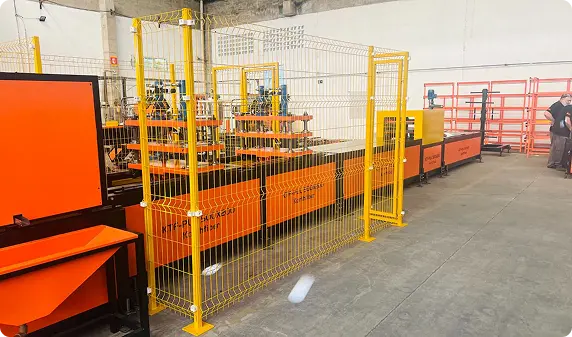
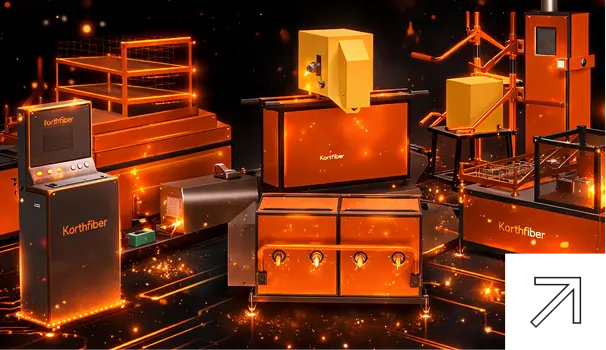
In this process, having the right industrial equipment is essential to achieving durability, repeatability, and productivity. It is in this context that the Korthfiber stands out as a manufacturer of equipment for the production of fiberglass utility poles, offering solutions tailored to the industrial manufacturing of high-performance composite structures.
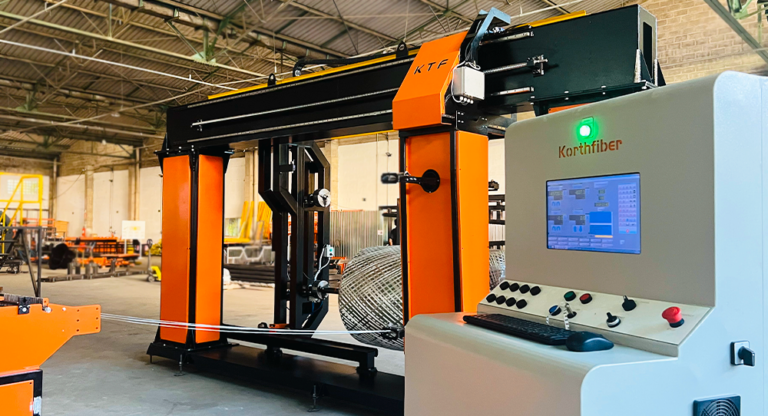
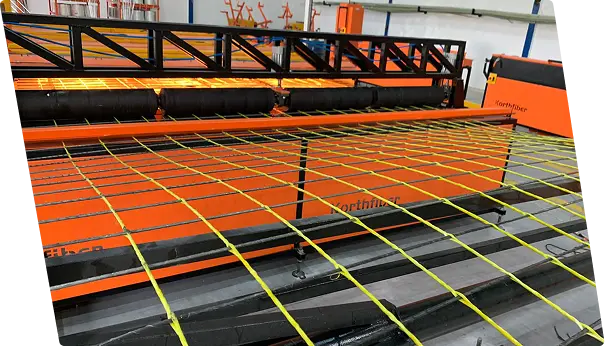
The company develops technologies for production lines, filament winding systems, and industrial equipment used in the manufacture of fiberglass poles, pipes, profiles, and structures. This enables manufacturers to increase production efficiency, reduce waste, and maintain greater quality control throughout the entire process.
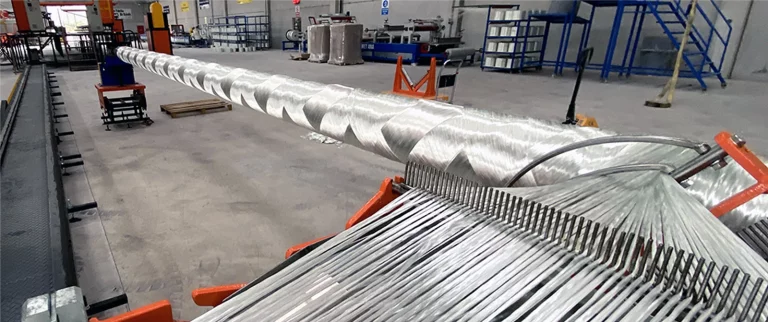
The main method used in the production of fiberglass poles is the filament winding, also known as filament winding.
What Is Filament Winding in Pole Manufacturing?
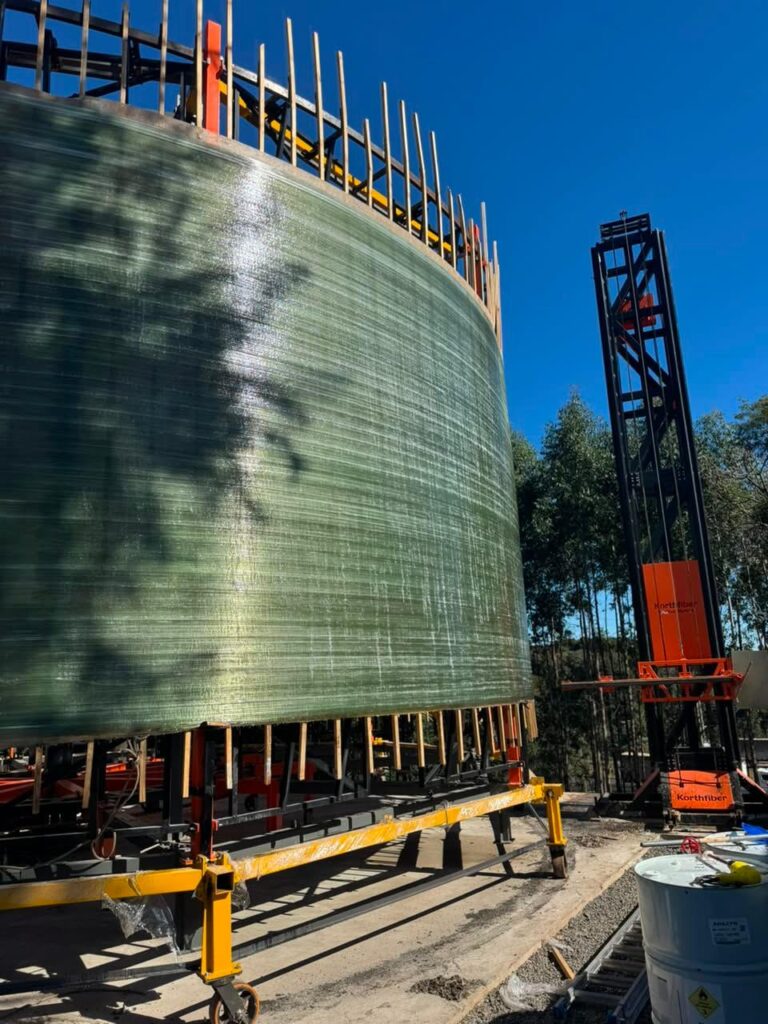
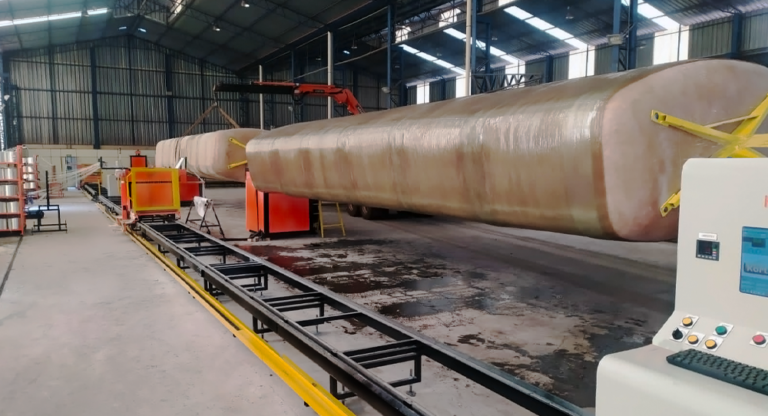
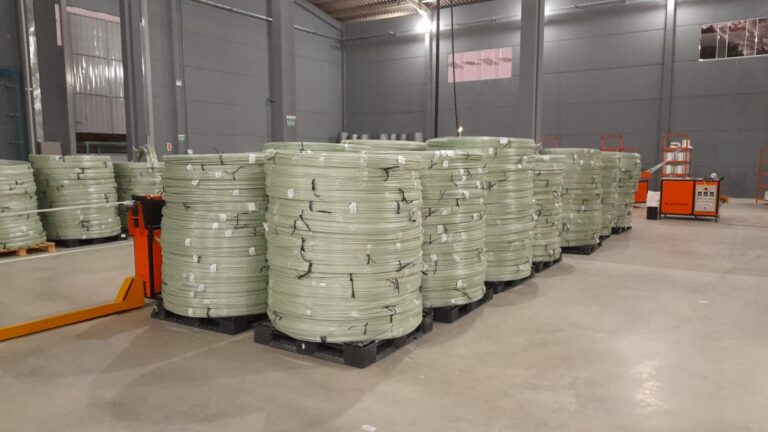
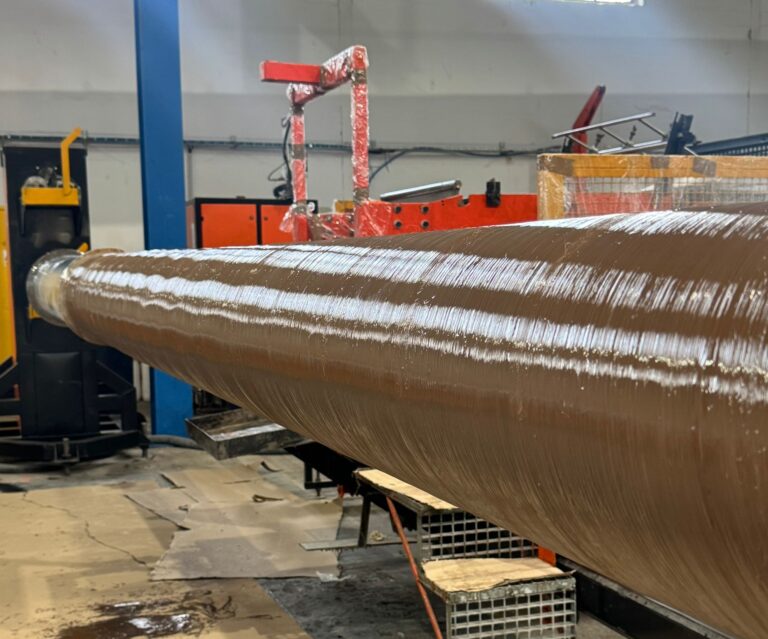
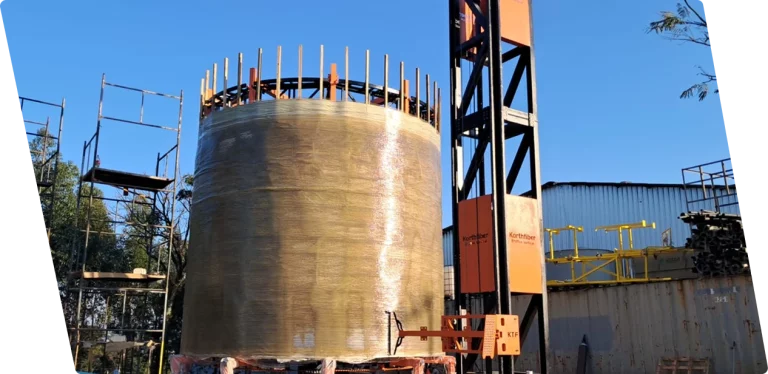
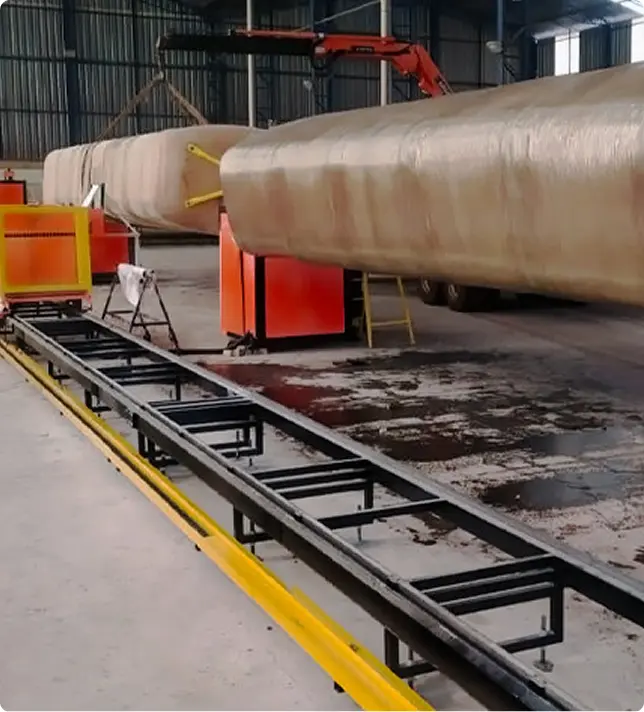
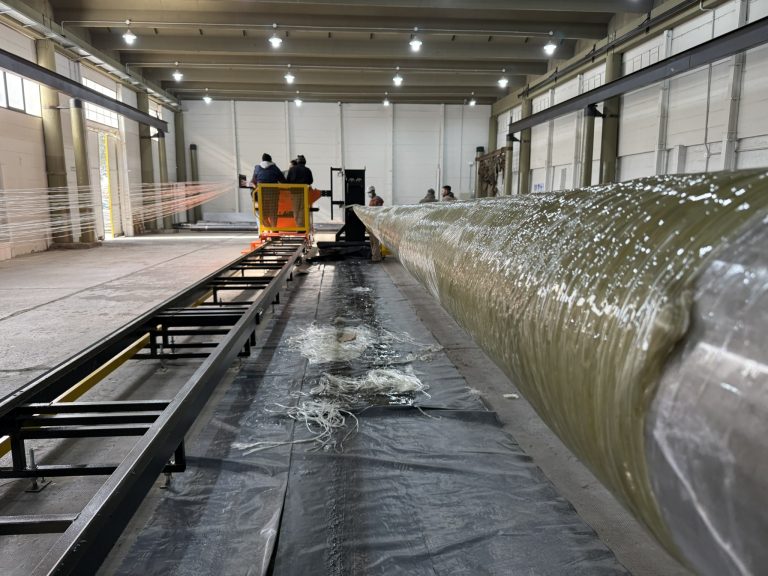
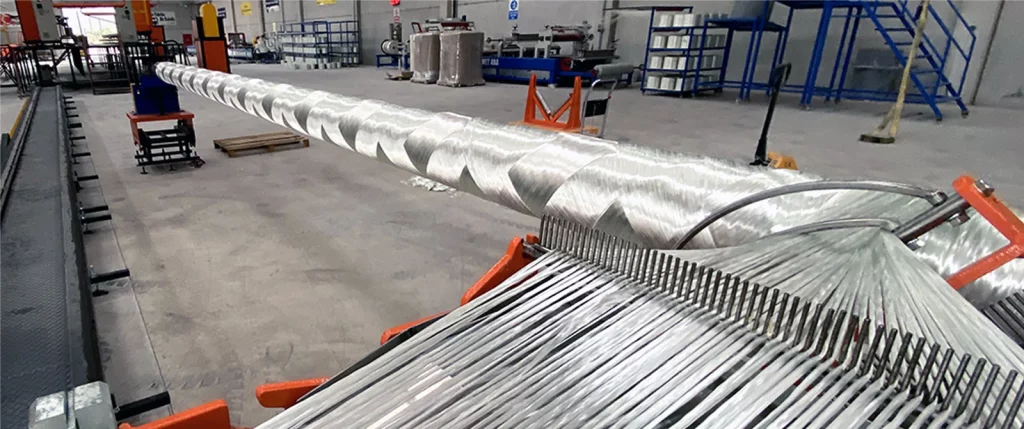
Filament winding is an industrial process in which continuous glass fiber filaments impregnated with resin are wound around a rotating mandrel or mold. This method allows for the manufacture of cylindrical, tubular, and conical structures with excellent structural strength.
This process is widely used in the manufacture of utility poles because it offers greater control over fiber placement, flexural strength, and the mechanical performance of the final structure.
The process offers:
- high mechanical strength
- excellent dimensional control
- automated production
- industrial repeatability
- corrosion resistance
- uniform finish
Stages of Industrial Production
The production process typically involves:
- Preparation of Glass Fiber Filaments
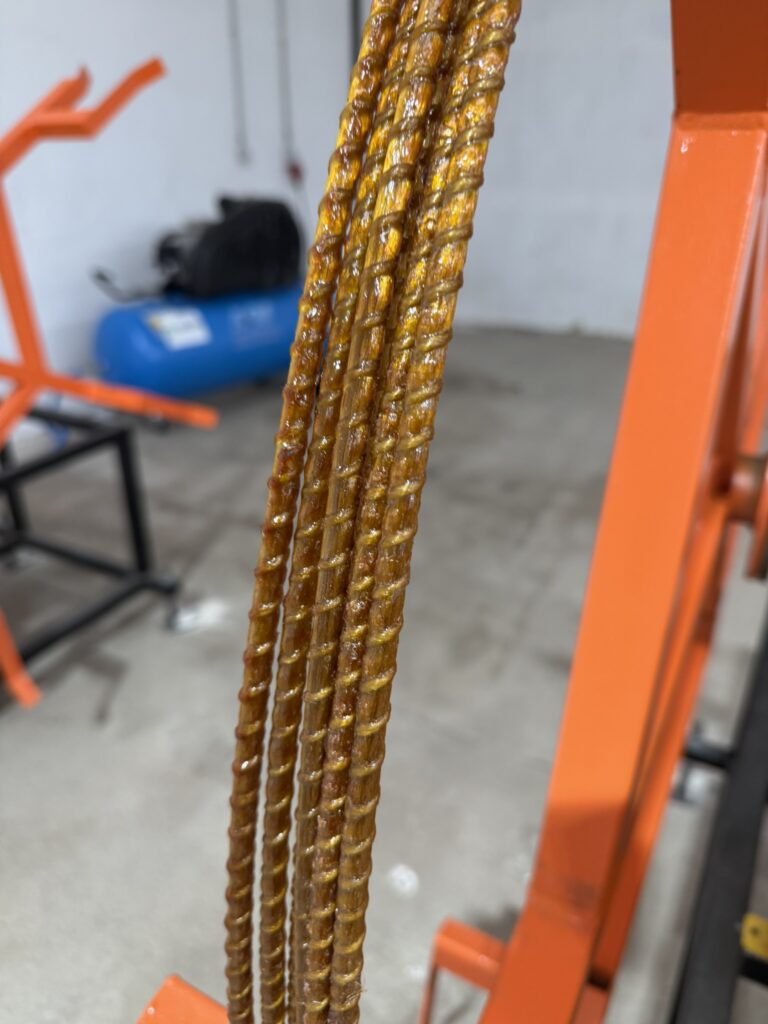
- Impregnation of the fibers with resin
- Controlled winding on a rotating mandrel
- Definition of Structural Layers
- Thermal treatment of the part
- Removing the pole from the mold
- Cutting and Finishing
- Mechanical testing and final inspection
Industrial Quality Control
The quality of the poles depends directly on the industrial tests conducted during and after production.
The main studies include:
- mechanical strength
- structural deflection
- UV resistance
- traction
- accelerated aging
- impact
- dimensional inspection
- structural thickness verification
This ensures compliance with national and international technical standards.
Applications of Fiberglass Poles
The versatility of composite materials allows for applications in various sectors of modern infrastructure.
Urban Infrastructure
Smart cities and modern urban projects use composite utility poles in:
- street lighting
- urban cameras
- traffic lights
- monitoring
- telecommunications
Modern aesthetics and low maintenance are major selling points in this segment.
Industries and Corrosive Environments
In harsh industrial environments, metal poles are subject to accelerated wear and tear.
Fiber-optic poles, on the other hand, offer:
- chemical resistance
- structural stability
- operational safety
- less maintenance
They are widely used in:
- chemical industries
- mining
- paper and pulp
- oil and gas
Electric Grids and Energy
Energy companies use composite poles in:
- electrical distribution
- substations
- urban lines
- rural networks
Natural electrical insulation reduces risks and improves operational safety.
Comparison of Fiberglass, Steel, and Concrete
Trends and the Future of Composite Poles
The demand for smart, sustainable, and resilient infrastructure is driving the growth of fiberglass utility poles worldwide.
Among the main trends are:
- smart cities
- urban automation
- renewable energy
- smart grids
- reduction in public maintenance
In addition, new industrial technologies are further enhancing the structural strength and durability of these materials.
Fiberglass utility poles represent a major advancement in modern infrastructure. Their combination of mechanical strength, light weight, electrical insulation, and low maintenance makes them an extremely competitive solution.
With advanced industrial processes such as filament winding, it has become possible to manufacture highly standardized, durable structures designed for harsh environments.
In addition, manufacturers of industrial equipment such as Korthfiber play a key role in the evolution of this market by providing technology for efficient, high-quality production.
For companies seeking operational efficiency, sustainability, and long-term cost savings, composite utility poles offer a strategic alternative to traditional models.