
GFRP Rebar for Precast Concrete: Why Make the Switch?
GFRP rebar for precast concrete is no longer just a technical curiosity; it is beginning to be part of the strategic discussions at factories that produce concrete components on a large scale.
The reason is simple: many problems that arise after a piece is delivered do not originate on the construction site. They stem from the choice of reinforcement, the exposure environment, and the way the factory addresses durability.
For decades, steel has been the standard choice for virtually every reinforced concrete component. It remains important, well-known, and widely specified. But in components exposed to moisture, sea air, chemicals, or harsh environmental cycles, corrosion can turn a traditional solution into a maintenance liability.
This is where GFRP—short for Glass Fiber Reinforced Polymer—begins to attract attention. It is a bar composed of glass fibers and a polymer matrix, used as non-metallic reinforcement in concrete structures.
In this guide, you will learn about the problem of corrosion in precast concrete, what GFRP rebar is, how it compares to steel, where it can be used in precast concrete plants, and what technical considerations are included in the specifications.
You'll also see why this change may mean more than just a switch in materials. For some companies, GFRP could open up a new market opportunity: manufacturing fiberglass rebar to meet growing demand in the construction industry.
The Problem of Corrosion in Precast Concrete
Corrosion in precast concrete is often noticed too late. First, stains, cracks, localized spalling, or cosmetic damage appear. Then, the problem escalates to maintenance issues, complaints, rework, and, in more severe cases, a loss of performance.
For the manufacturer, this is particularly critical because precast concrete carries a promise: industrial control, repeatability, quality, and predictability. When a component deteriorates prematurely, the perceived value of the entire system is affected.
Why does steel corrode inside concrete?
The steel inside the concrete is usually protected by the alkaline environment of the cementitious matrix. However, when aggressive agents reach the reinforcement, this protection can be compromised.
Chlorides, carbonation, constant moisture, cracking, insufficient cover, and construction defects create conditions conducive to the onset of corrosion. Over time, corrosion products expand, exert pressure on the surrounding concrete, and contribute to cracking and displacement.
In precast concrete products, this is a major consideration in environments such as coastal regions, industrial areas, sanitation, drainage, road infrastructure, floors subject to salt, or components exposed to water.
The impact on the precast concrete plant
When corrosion leads to a field complaint, the cost is almost never purely technical. There are costs associated with travel, analysis, repair, replacement, loss of trust, and damage to the business’s reputation.
As a result, many manufacturers are beginning to view armor not only as a measure of strength, but also as a factor in durability and market positioning.
Less maintenance: Parts in harsh environments tend to require fewer repairs when the reinforcement is not subject to electrochemical corrosion.
Greater predictability: the risk of problems associated with reinforcement oxidation is reduced.
Competitive advantage: The factory can offer solutions that focus on service life, rather than just initial cost.
Specific applications: Niche areas such as sanitation, drainage, and coastal engineering now have a more coherent technical alternative.
Internal link comment: Insert a link here to the article “How to Prevent Corrosion in Precast Concrete Parts.”.
What is GFRP rebar?
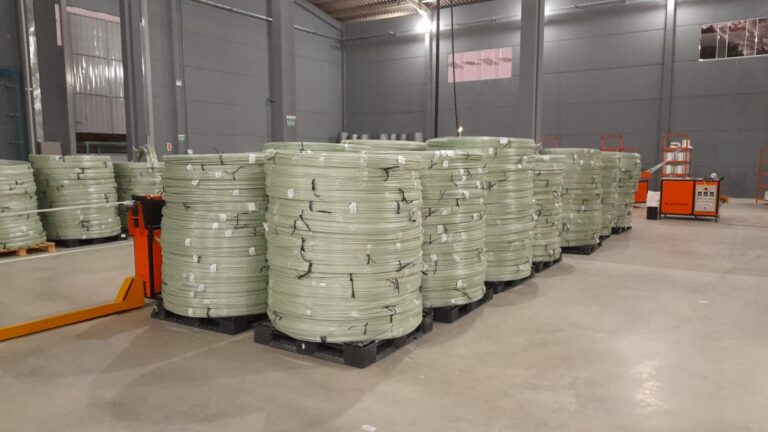
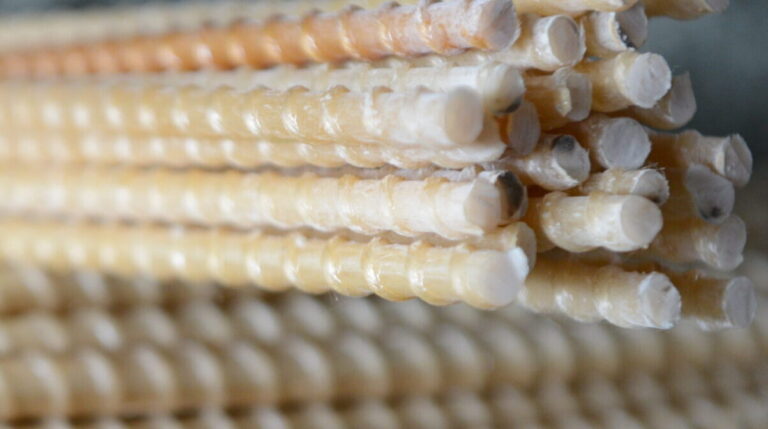
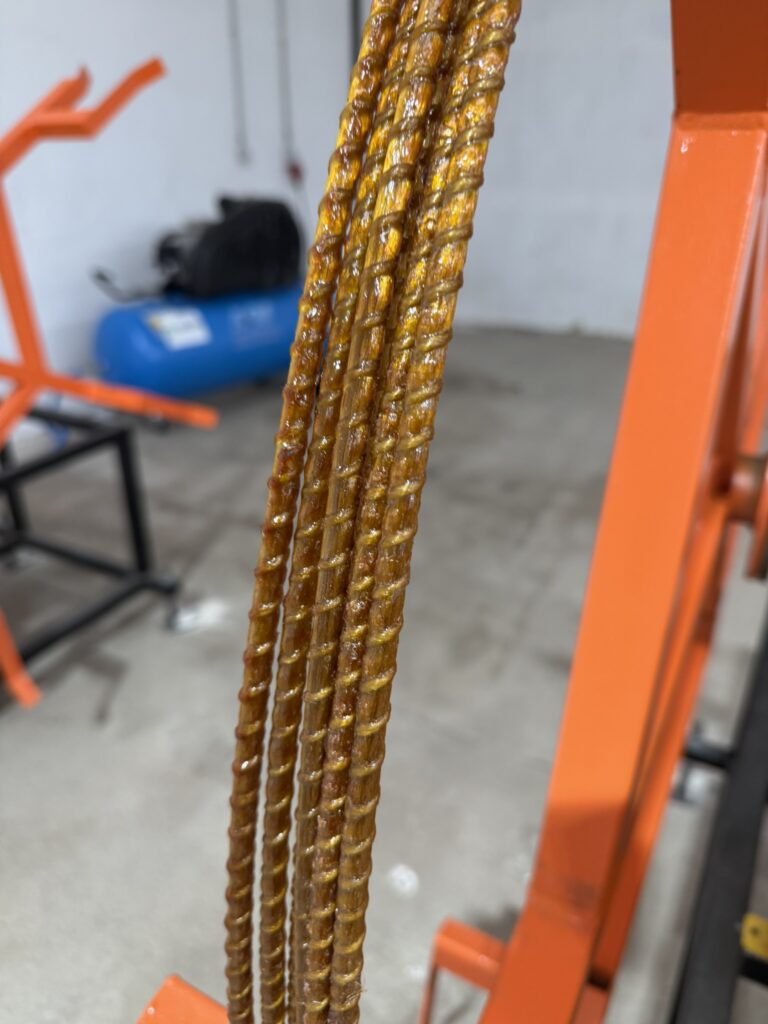
GFRP rebar is a reinforcement composed of continuous glass fibers embedded in a polymer matrix. Rather than being a metal bar, it is a composite material designed to reinforce concrete.
The acronym stands for Glass Fiber Reinforced Polymer. In practice, the fiber provides mechanical strength, and the resin helps keep the fibers together, protected, and in place.
GFRP is not “ordinary plastic”
A common misconception is to think that GFRP is just plastic. It isn't. Its performance stems precisely from the combination of high-strength glass fibers and a suitable polymer matrix.
The bars may have a ribbed, coated, sandblasted, or other type of surface finish to improve adhesion to the concrete. This adhesion is essential for transferring forces between the bar and the structural member.
In other words, GFRP should be viewed as a non-metallic reinforcement technology, not as a makeshift substitute for steel.
Why is this relevant to precast concrete?
GFRP is of interest to the precast concrete industry because it addresses one of the most costly challenges in the supply chain: durability in harsh environments. Since it is not steel, it does not rust due to electrochemical corrosion.
In addition, it is lighter than steel, which can facilitate internal transport, cutting, rebar assembly, and handling on repetitive production lines. For high-volume factories, even small operational savings can add up to significant gains.
The key point is to understand that GFRP should not be treated as a direct and automatic replacement for other materials. It requires its own calculations, specifications, and detailing.
Technical Summary: GFRP is a non-metallic reinforcement for concrete, made from fiberglass and resin. Its main advantage is its corrosion resistance, but its use must comply with design criteria, the manufacturer’s specifications, and applicable standards.
Steel vs. GFRP: What Is the Technical Difference?
The comparison between steel and GFRP must be made with care. GFRP is not simply “steel that doesn’t rust.” It has different mechanical properties, a different modulus of elasticity, a different failure mode, and a different specification model.
For precast manufacturers, the right question isn’t “which material is best for everything?”, but rather: Which reinforcement provides the best performance for this component, in this environment, and over this desired service life?
A Practical Comparison for Precast Concrete Plants
Criterion: Corrosion
Steel rebar: It can corrode when the concrete cover is compromised
GFRP Rebar: Does not suffer from electrochemical corrosion like steel
Criterion: Weight
Steel rebar: Heavier
GFRP Rebar: Lighter, making handling and internal logistics easier
Criterion: Structural behavior
Steel rebar: Ductile, with a known yield point
GFRP Rebar: Linear-elastic up to failure, with lower ductility
Criterion: Modulus of elasticity
Steel rebar: Taller
GFRP Rebar: Smaller in size, requiring attention to deflection and cracking
Criterion: Optimal use
Steel Rebar: Conventional and Widely Standardized Applications
GFRP Rebar: Harsh Environments, Exposed Components, and Applications Requiring Durability
Criterion: Specification
Steel rebar: Extensive market knowledge
GFRP Rebar: Requires a specific design and a qualified supplier
Where GFRP Is Gaining Ground
GFRP comes into its own when corrosion ceases to be a secondary risk and becomes a decisive factor in service life. This occurs in components exposed to water, sea air, chlorides, sulfates, effluents, chemicals, or wet-and-dry cycles.
It also becomes more important when the weight of the armor affects productivity. In a factory, handling lighter bars can reduce physical strain, speed up assembly, and simplify repetitive tasks.
Where to Be Careful
GFRP has a lower modulus of elasticity than steel and does not exhibit typical ductile yielding behavior. This means that the design must verify deflection, cracking, anchorage, over-spanning, and serviceability limits using specific criteria.
It is also necessary to evaluate operating temperature, exposure to fire, resin type, manufacturing quality, technical certification, and compatibility with the factory’s production process.
Internal link comment: Insert a link here to the article “GFRP vs. Steel: Differences in Design, Deflection, and Cracking.”.
Why are precast manufacturers switching to GFRP?
Precast manufacturers are turning to GFRP because the market has begun to demand more than just a per-unit price. Infrastructure, sanitation, logistics, energy, and industrial projects require durability, lower maintenance, and greater predictability.
This change favors materials that reduce risks over their service life. Steel remains relevant, but GFRP opens up a new line of technical and commercial reasoning.
- Reduced risk of corrosion-related damage
The main reason is corrosion. When the part will be installed in a harsh environment, the choice of reinforcement can directly affect the maintenance history.
Since GFRP does not rust like steel, it reduces the risk of cracks and displacement caused by the expansion of corrosion products. This is particularly beneficial for parts where repairs are difficult, expensive, or logistically complicated.
- Differentiation in Technical Markets
A factory that specializes in GFRP doesn't just sell “concrete parts.” It sells durability solutions for specific applications.
This can lead to discussions with designers, construction companies, utility providers, manufacturers, land developers, sanitation providers, and clients seeking lower life-cycle costs.
Applications with good potential:
Stormwater Drainage Components
Gutters and drainage components
Panels exposed to sea air
Components in Industrial Environments
Components for coastal infrastructure
Floors and slabs exposed to corrosive agents
- Operating profits within the factory
The reduced weight of GFRP can improve the framing process. In factories where the same parts are produced repeatedly, this can affect ergonomics, assembly speed, and inventory management.
There may also be indirect gains in internal transportation and manual handling. Although each factory needs to measure its own times, the operational potential lies primarily in mass-produced parts.
- Life Cycle Strategy
End customers don't always buy the cheapest part. In many markets, they buy the part that reduces maintenance, downtime, and risk.
When the factory starts emphasizing the life cycle, GFRP ceases to be merely a cost item and becomes a tool for technical positioning.
Real-world applications in precast concrete plants
GFRP can be evaluated for use in various types of precast components. Adoption typically begins with products where corrosion is a clear problem and where the customer understands the value of durability.
This avoids a common mistake: trying to apply GFRP to everything before understanding where it yields the greatest technical and commercial returns.
Parts for sanitation, drainage, and infrastructure
Sanitation and drainage environments are among the most challenging for GFRP. Constant moisture, aggressive agents, and maintenance difficulties create a scenario where steel corrosion can be a recurring problem.
Galleries, channels, boxes, plates, covers, containment elements, and parts exposed to water can be evaluated on a case-by-case basis.
Panels and exposed elements
Architectural panels, facades, enclosures, walls, fencing elements, and structures near the coast can also benefit from non-metallic reinforcement.
In such cases, in addition to structural durability, there is also the aesthetic aspect to consider. Stains, cracks, and peeling damage the image of the structure and the factory.
Serialized parts with increased productivity
When a factory produces large volumes of the same part, any process improvement can make a difference. GFRP can make assembly easier because it is lighter, but this needs to be tested in a pilot program.
Ideally, you should select a piece that is used repeatedly and evaluate its framing time, material consumption, waste, ease of cutting, organization, and performance in concrete.
Note: Your first GFRP project should not be chosen solely based on its commercial appeal. Start with a part where there is a real risk of corrosion, the design requirements are well defined, and the supplier can provide technical documentation.
Internal link comment: Insert a link here to the article “Where to Use GFRP Rebar in Precast Components.”.
How do you specify GFRP rebar for precast concrete?
Specifying GFRP requires a shift in mindset. It is not enough to simply substitute one diameter for another. The designer must consider mechanical properties, service limits, adhesion, anchorage, cover, the environment, and regulatory recommendations.
A good specification protects the manufacturer, the designer, and the customer. It prevents overpromising and makes GFRP a consistent technical solution.
Minimum information required when placing an order with a supplier
The GFRP supplier must provide clear technical documentation. The factory should not base its purchases solely on price, bar color, or sales promises.
Request, at a minimum:
Tensile strength of the bar
Modulus of elasticity
Effective cross-sectional area
Fiber type and resin type
Surface finish and adhesion to concrete
Durability Tests in an Alkaline Environment
Batch Traceability
Certificates and Compliance with Applicable Standards
Recommendations for cutting, bending, transporting, and storing
Design Standards and Criteria
On the international stage, specific codes and standards for GFRP bars help guide their design, manufacturing, characterization, and quality control.
In Brazil, regulatory developments regarding FRP bars also help reduce the perception that GFRP is an experimental material. Even so, the installation must be carried out by a qualified professional and subject to specific verification.
For the factory, the key is not to rely solely on the supplier’s promise. The decision must be based on technical specifications, design criteria, traceability, and compatibility with the type of part being manufactured.
Design considerations that cannot be ignored
Since GFRP behaves differently from steel, issues such as deflection, crack initiation, anchoring, lap joints, and deformations must be addressed with care.
It is also important to note that GFRP bars should not be bent on-site like steel. When stirrups, hooks, or special shapes are required, these should be provided as prefabricated parts by the supplier.
Step-by-step guide to getting started:
- Specify the part's exposure class.
- Choose the product family that is best suited for the pilot.
- Request the complete technical specifications for the bar.
- Perform the design using criteria specific to GFRP.
- Validate the assembly process at the factory.
- Document traceability, batch information, and quality control.
- Develop sales pitches based on durability and life cycle.
❓ Does GFRP replace steel in all precast concrete products?
No. GFRP should not be presented as a universal substitute for steel. It is a very interesting technical alternative in specific scenarios, especially when corrosion, durability, weight, and maintenance are decisive factors.
For some components, steel will continue to be the simplest, most cost-effective, and most suitable option. For others, GFRP may offer greater value.
When Does It Make the Most Sense to Consider GFRP?
GFRP is the best choice when the part will be exposed to moisture, chemicals, chlorides, sea air, or environments that are difficult to maintain.
It’s also worth considering when a manufacturer wants to create a premium line of durable precast products, targeting technical customers who understand life-cycle costs.
When to Exercise Caution
Caution is required for parts with strict ductility requirements, exposure to fire, high temperatures, specific dynamic loads, complex connections, or when the team has not yet mastered the detailing process.
In such cases, the decision should involve a structural engineer, a technical supplier, and, if necessary, testing or prototypes prior to commercial adoption.
Direct answer: GFRP can replace steel in precast concrete when the design is sized for this material and when the application justifies its benefits, especially corrosion resistance and low maintenance. It should not be used as an automatic substitute without specific calculations.
Where can I find it, and how can I get started safely?
The best way for a precast concrete plant to get started with GFRP is to choose a controlled application with minimal corrosion and good production repeatability.
Instead of changing the entire product line, start with a pilot project. This allows you to test assembly, cutting, tying, concrete placement, traceability, performance, and market acceptance.
Criteria for Selecting a GFRP Supplier
A GFRP supplier needs to provide more than just rods. It must provide technical information, documentation, specification support, and consistent quality.
Before you buy, check:
Do you have the complete technical specifications?
Does it specify tensile strength and modulus of elasticity?
Does it offer batch traceability?
Are there adhesion and durability tests?
Does it provide guidance on storage and handling?
Can you supply straight bars and special shapes?
Is there support for designers and manufacturers?
What if there were an opportunity to manufacture GFRP rebar?
In addition to using GFRP in precast components, there is an even greater opportunity: entering the market for the manufacture of fiberglass rebar.
With the growing demand for corrosion-resistant, lightweight, and durable materials, precast manufacturers may consider not only purchasing GFRP rebar but also producing it in-house or establishing a new business unit focused on this market.
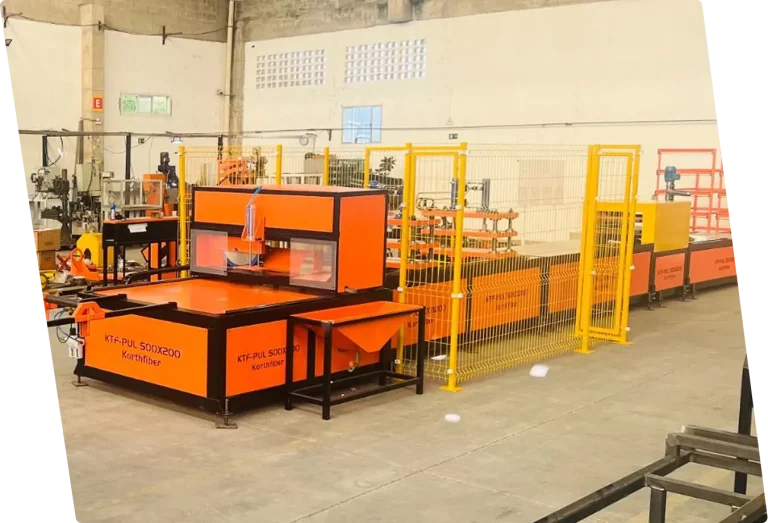
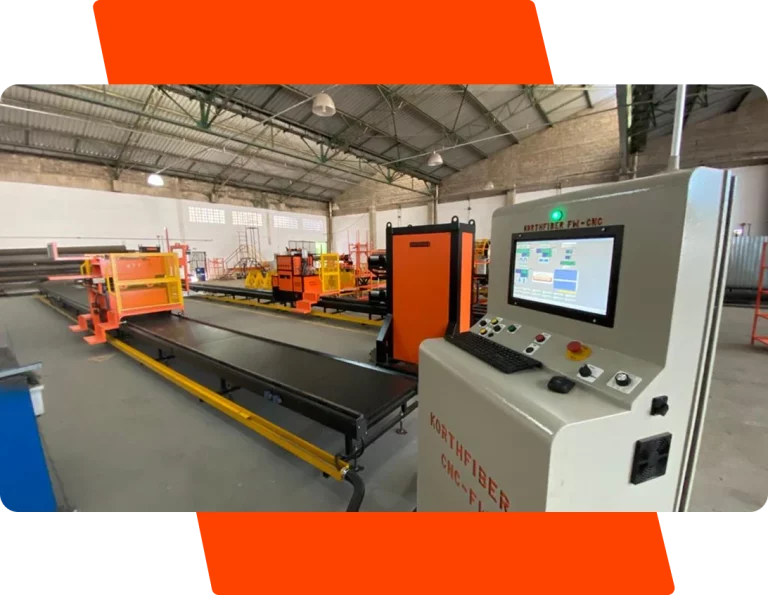
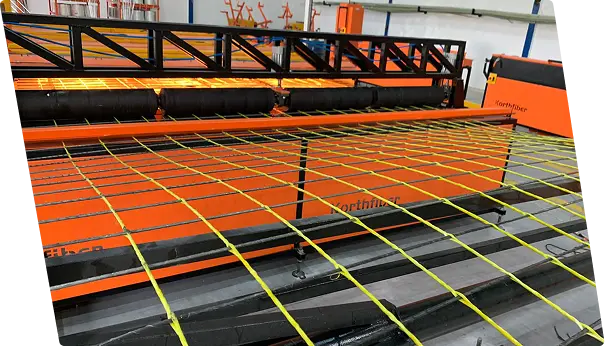
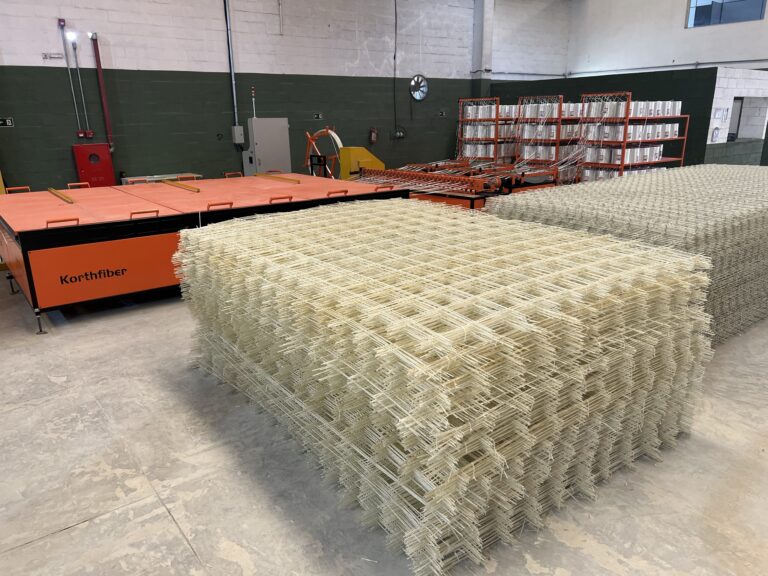
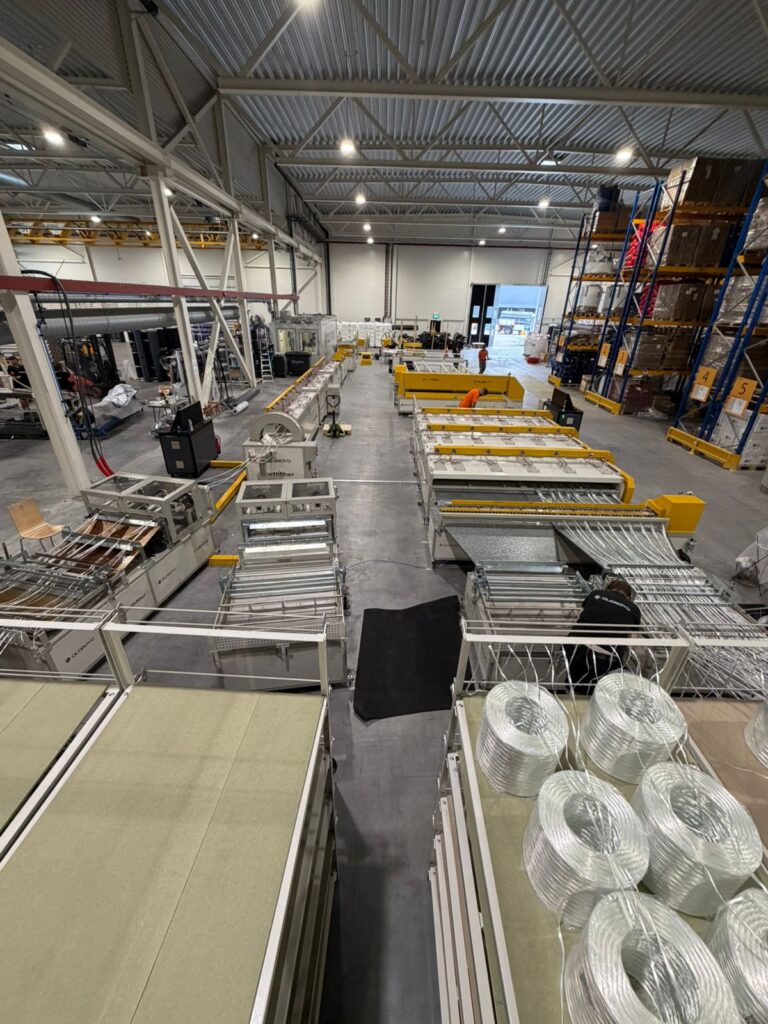
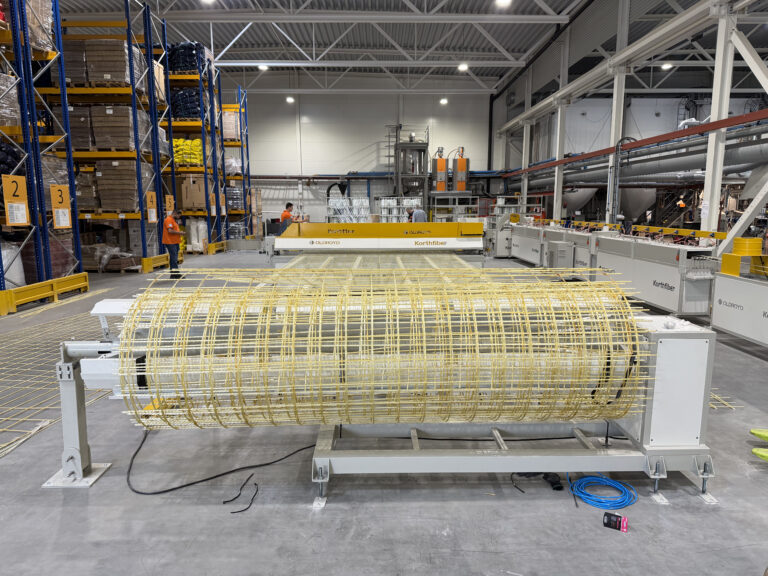
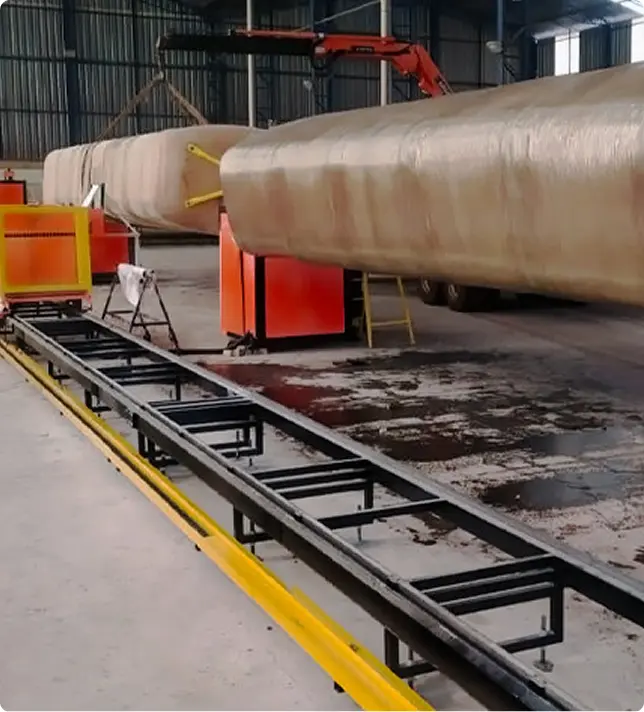
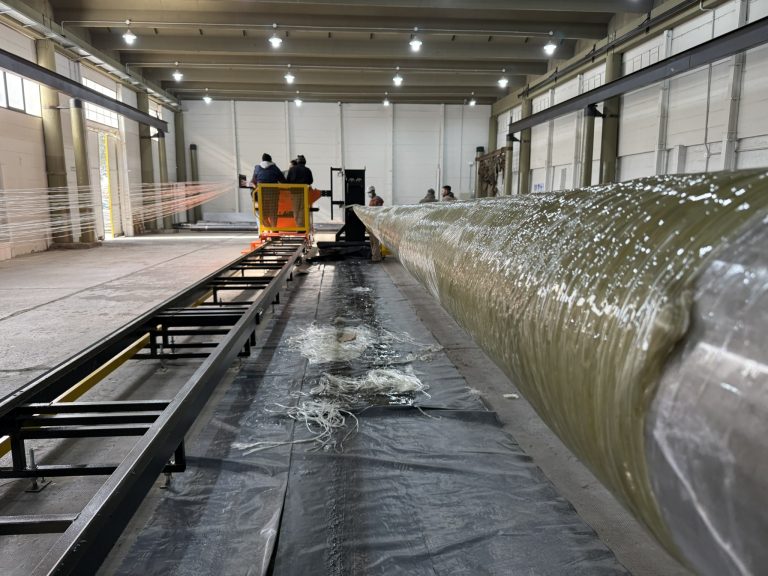
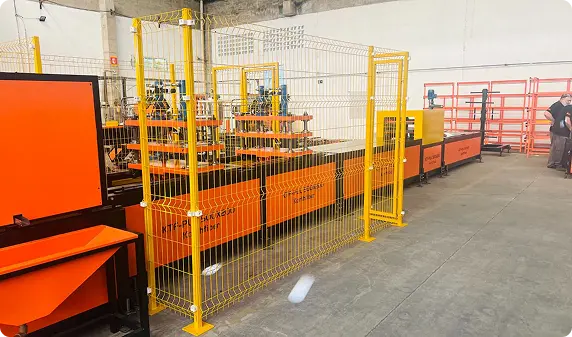
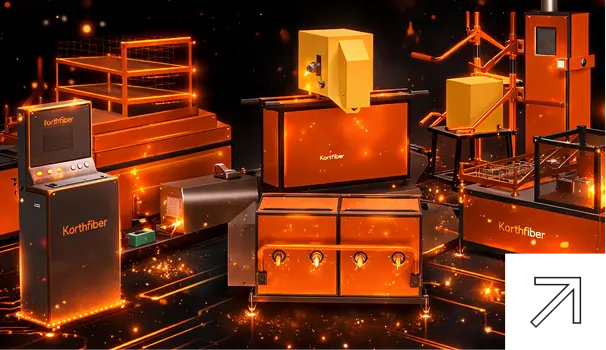
This is where Korthfiber can help. The company specializes in machinery for the conversion and processing of fiberglass composites, offering solutions geared toward the industrial production of fiberglass products, including GFRP rebar.
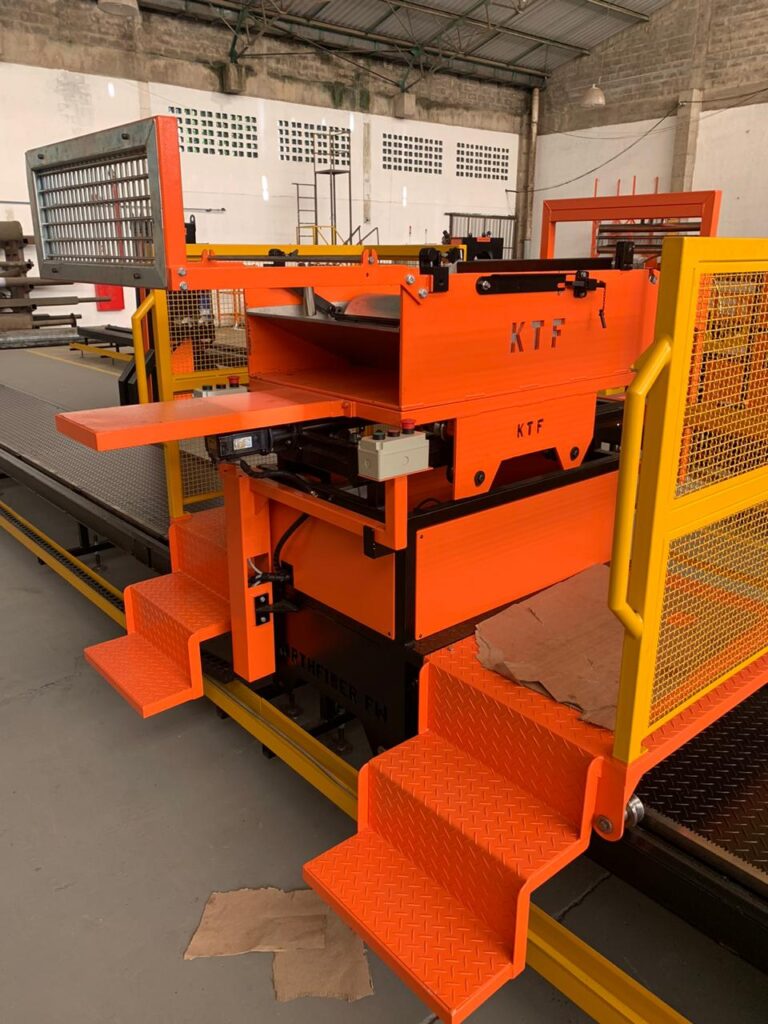
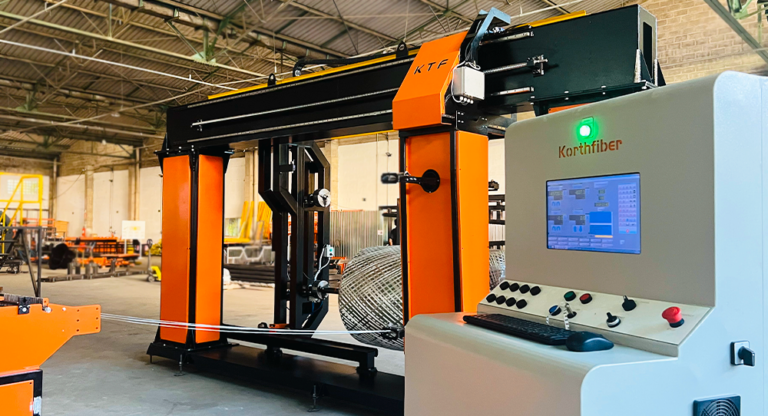
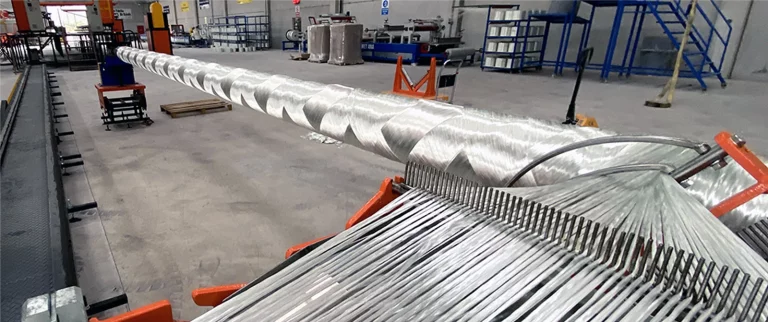
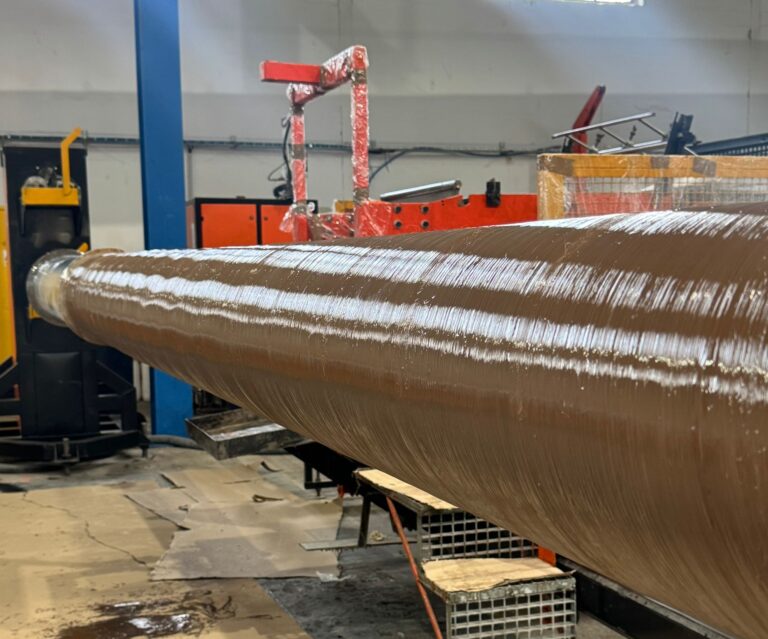
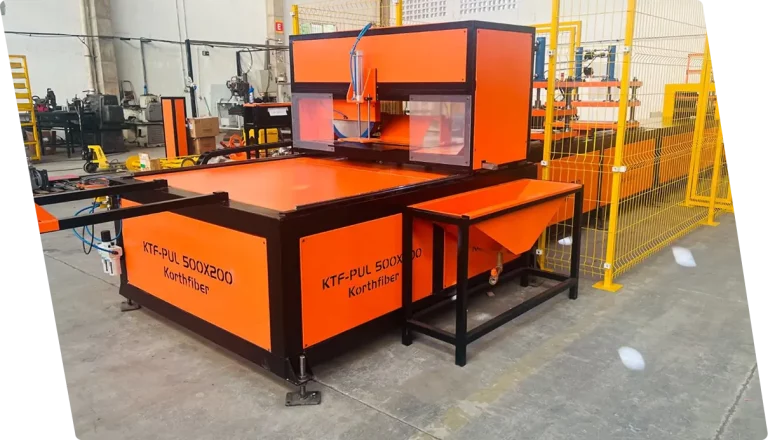
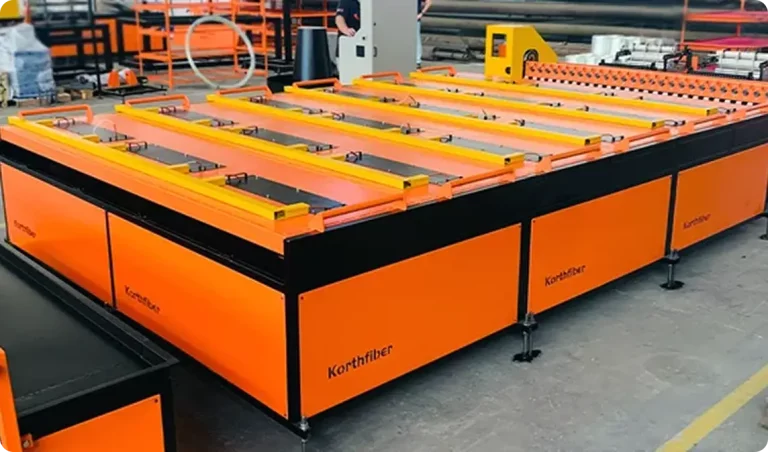
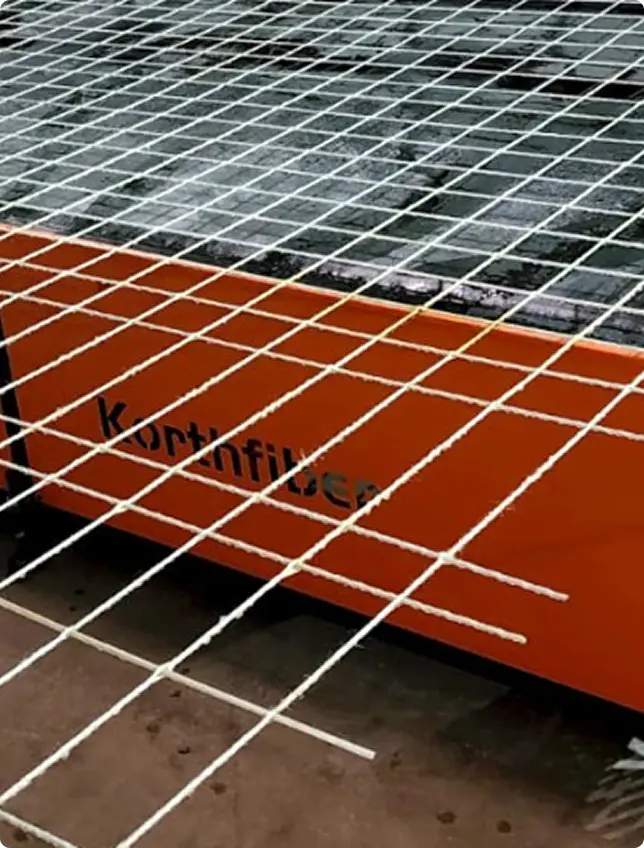
As part of its REBAR CNC line, Korthfiber presents the REBAR VRM-KTF-6P machine as an industrial solution for manufacturing GFRP rebar using the pultrusion process, with a focus on productivity, standardization, and efficiency.
For those interested in entering this market, Korthfiber also offers a “turnkey” fiberglass rebar factory solution, complete with equipment and consulting services for the production of FRP rebars and mesh.
This means that the opportunity lies not only in applying GFRP to precast components. In some cases, the opportunity may lie in participating in the supply chain by manufacturing fiberglass rebar to serve construction companies, industrial firms, infrastructure projects, and other precast manufacturers.
How to Turn GFRP into a Selling Point
The mistake is to market GFRP solely as “lighter” or “rust-free.” The strongest argument is that precast parts are better suited for harsh environments, with a lower risk of maintenance issues related to reinforcement corrosion.
This changes the conversation with the customer. The manufacturer no longer competes solely on price per unit but begins to discuss performance, service life, application, and total cost.
For manufacturers looking to set themselves apart, GFRP can be more than just an alternative to steel. It can open up a new market opportunity, whether through its use in precast components or the production of fiberglass rebar to meet growing demand in the construction industry.
Internal link comment: Insert a link here to the product page or landing page titled “GFRP Rebar Manufacturing Machines.”.
CTA Comment: Insert a call-to-action here, such as “Contact Korthfiber to learn how to start a GFRP rebar manufacturing operation.”.
🏁 Conclusion: GFRP isn't just a fad; it's the answer to a long-standing problem
GFRP rebar for precast concrete is gaining ground because it addresses a well-known problem: the corrosion of rebar in harsh environments. For manufacturers seeking to reduce defects, differentiate their products, and promote durability, it warrants technical attention.
This does not mean abandoning steel. It means expanding the range of solutions. Steel remains essential in many applications, but GFRP opens up new possibilities for exposed components, coastal projects, sanitation, drainage, and industrial environments.
The next step is to approach the issue systematically: select a pilot part, involve a designer, request technical documentation, validate the manufacturing process, and develop a business case based on the product life cycle.
But there is also a second option: instead of simply purchasing GFRP rebar, some companies may consider entering the market for manufacturing this material. To do so, having the right machinery, technical support, and process knowledge makes all the difference.
Korthfiber manufactures machines for the production of GFRP rebar and can help manufacturers, investors, and companies in the precast concrete industry understand how to enter this market with greater confidence, structure, and industrial vision.
In a market increasingly focused on durability, maintenance, and performance, those who understand GFRP early on can gain a competitive edge. And those who master its production can become part of a supply chain with significant growth potential.
💬 Frequently Asked Questions About GFRP Rebar for Precast Concrete
What is GFRP rebar?
GFRP rebar is a glass-fiber-reinforced polymer bar used as non-metallic reinforcement in concrete. It combines glass fibers and resin, offering high tensile strength and resistance to electrochemical corrosion.
Does GFRP rust?
No. GFRP does not rust like steel because it is not a metal. Therefore, it is a good choice for precast concrete exposed to moisture, sea air, chlorides, industrial environments, and situations where reinforcement corrosion is a concern.
Can I replace steel with GFRP using the same diameter?
This is not recommended. GFRP has a different modulus of elasticity, structural behavior, and anchoring criteria than steel. Any substitution must be based on specific design calculations and validated by a qualified professional.
Which precast components can use GFRP?
GFRP can be used in components for sanitation, drainage, exposed panels, elements in coastal regions, flooring, plates, and components subject to harsh environments. Its application depends on the design, the applicable standard, and the required performance.
Is GFRP more expensive than steel?
The initial cost may be higher in some situations, but a proper comparison should take into account the life cycle, maintenance, exposure environment, durability, and reduction in health issues. In harsh environments, the technical benefits may justify the cost.
Does Korthfiber sell GFRP rebar?