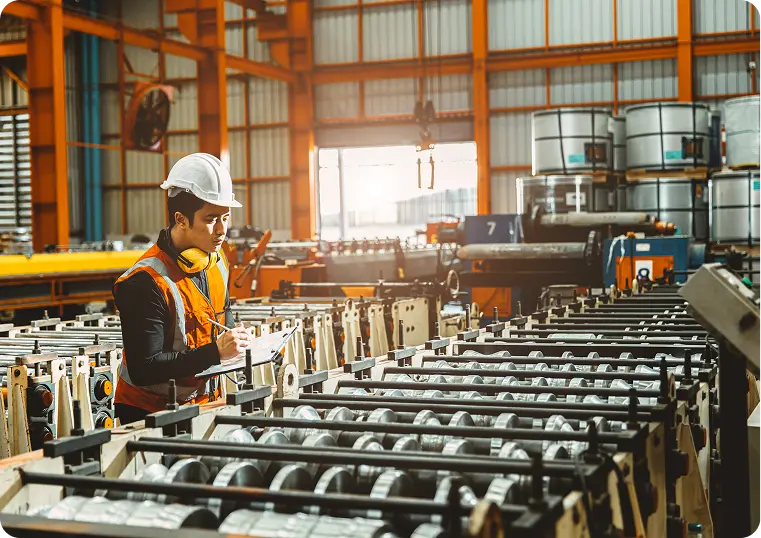



The composites industry is experiencing one of the most strategic moments in its history. With the growing demand for lighter, stronger, and more durable materials, solutions such as FRP (Fiber-Reinforced Polymer) are gaining ground in sectors such as construction, infrastructure, energy, and sanitation.
In this scenario, technology and production efficiency are no longer competitive advantages but have become prerequisites for competitiveness.
Why are composites replacing traditional materials?
Conventional materials such as steel and concrete still dominate the market, but they face ever-greater challenges:
- Corrosion in Harsh Environments
- High maintenance costs
- Heavy weight
- Limited service life
Structural composites offer clear advantages:
- High mechanical strength
- Corrosion resistance
- Structural Lightness
- Low maintenance
- Greater durability
This combination reduces costs over time and improves structural performance.
The Role of Pultrusion and Filament Winding
Two industrial processes have been driving this transformation:
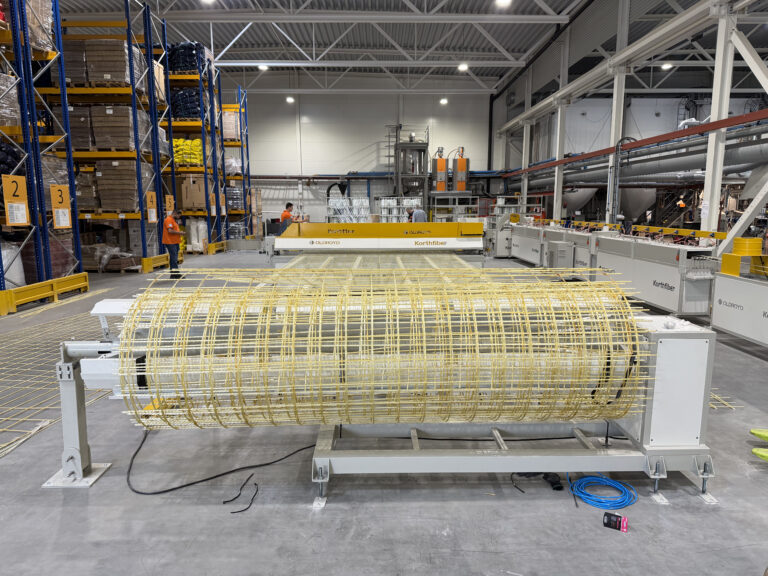
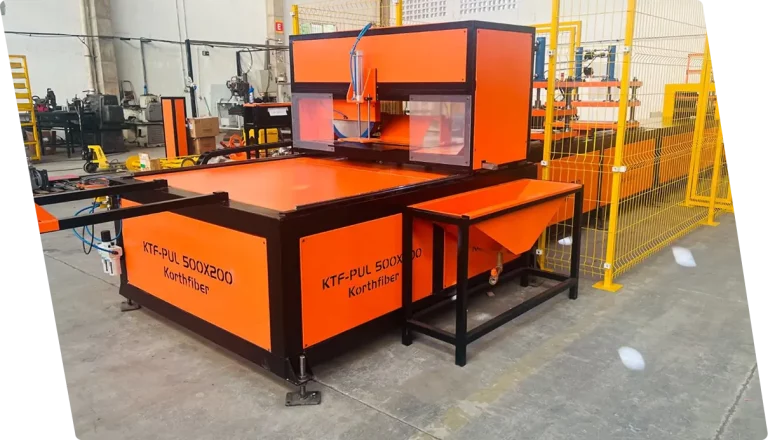
Pultrusion
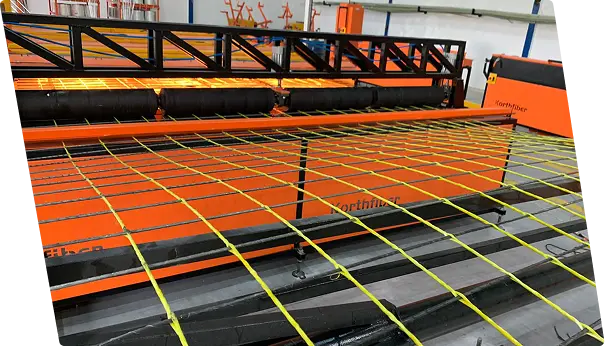
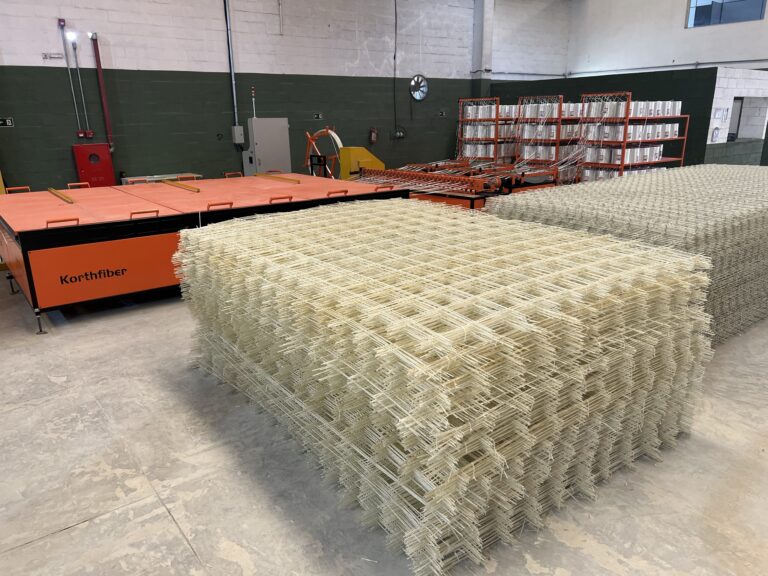
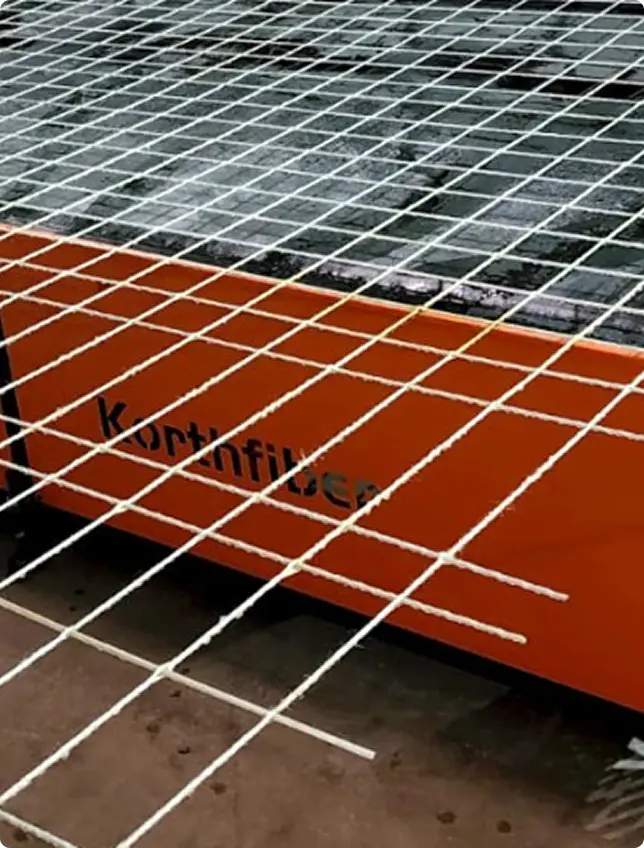
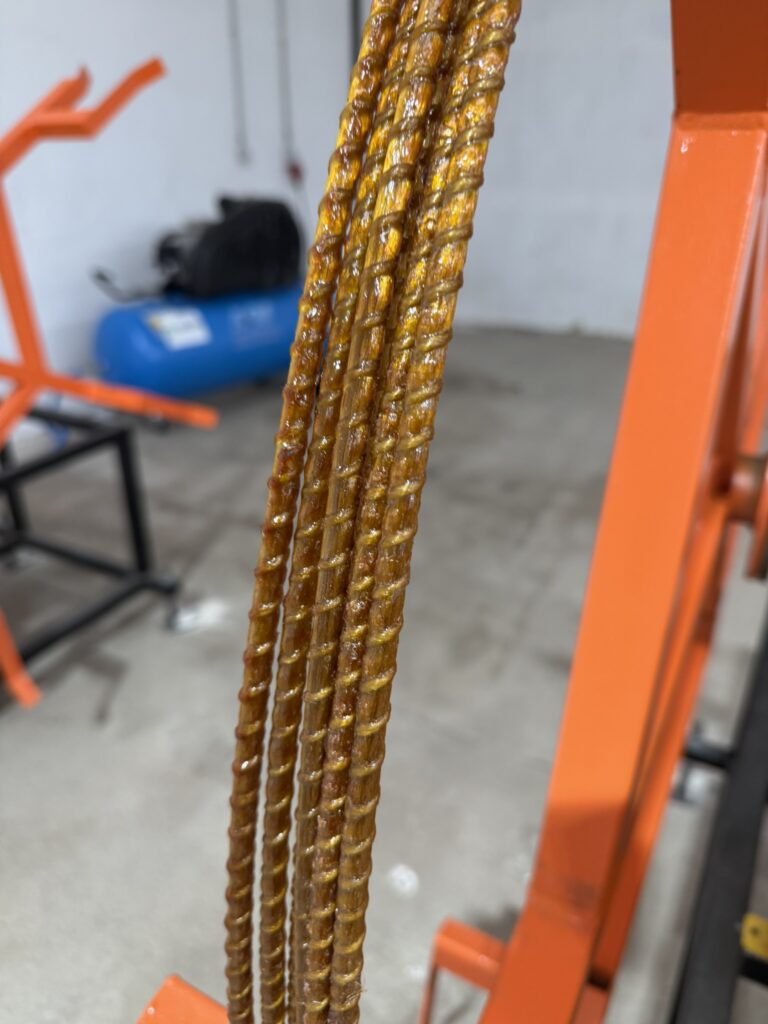
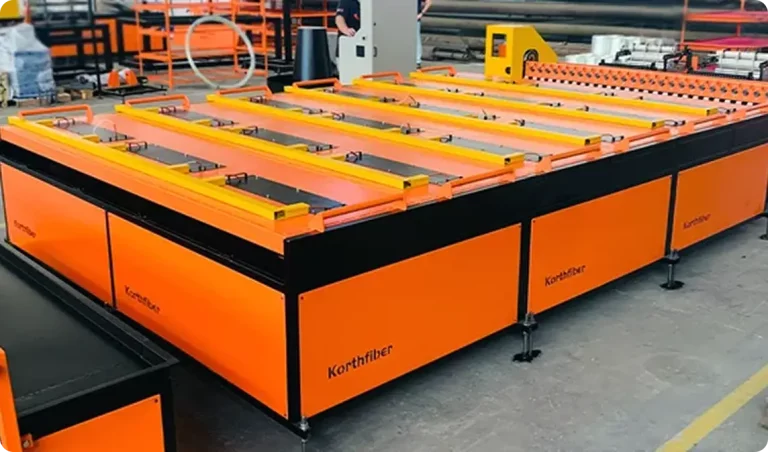
Ideal for the continuous production of structural profiles with dimensional accuracy and industrial repeatability. Widely used in cross-braces, structural profiles, guardrails, and technical reinforcements.
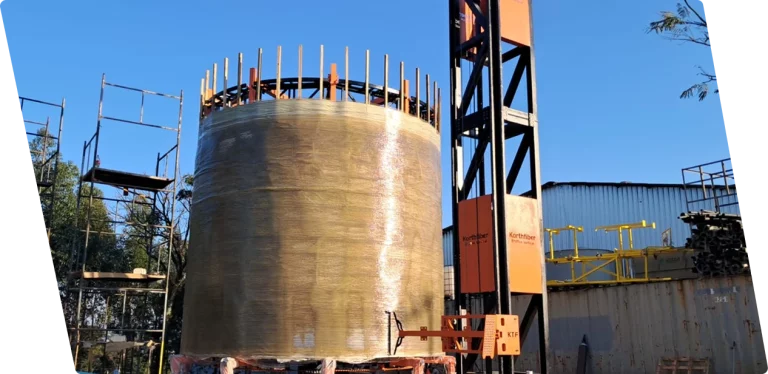
Filament Winding
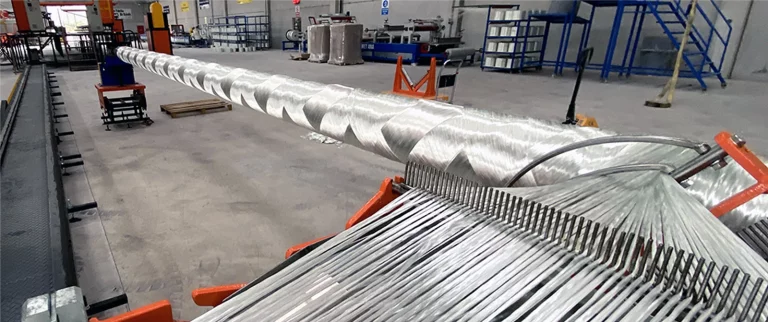
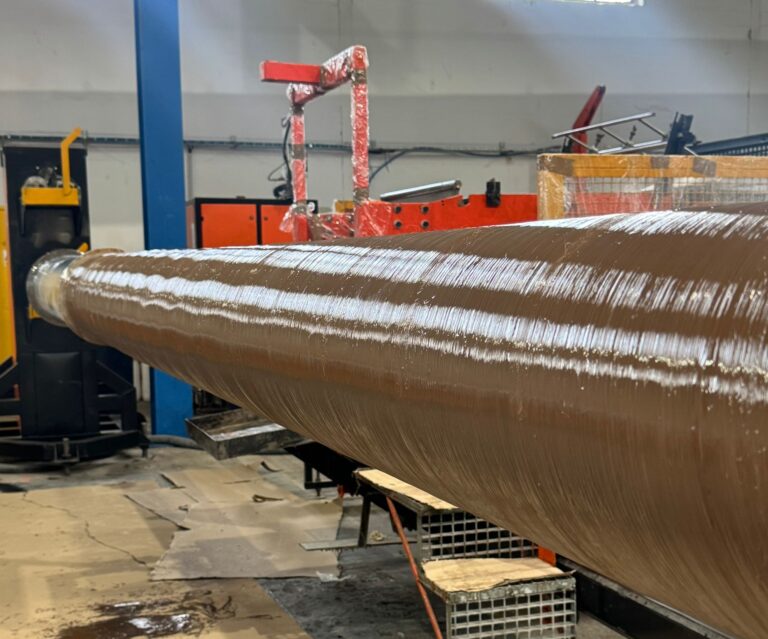
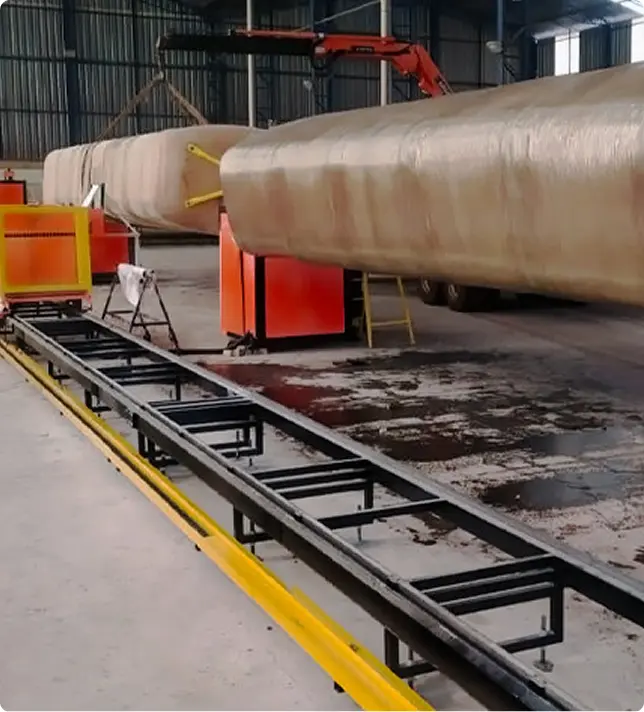
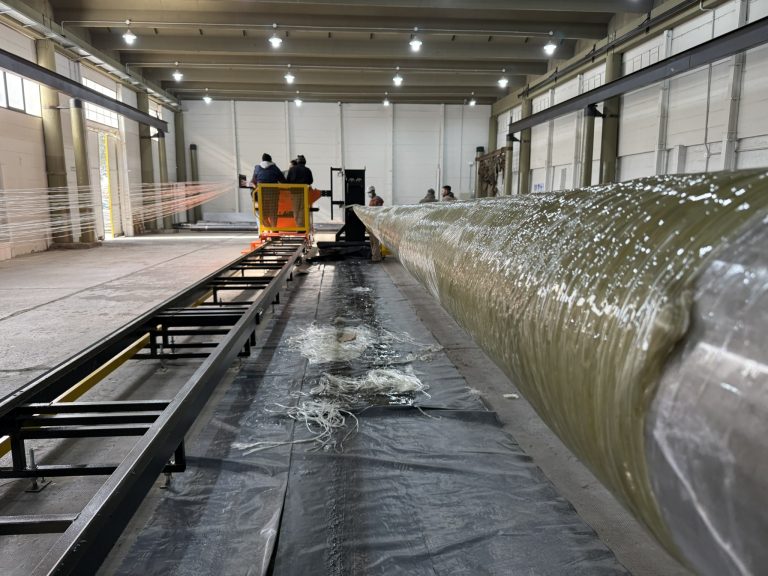
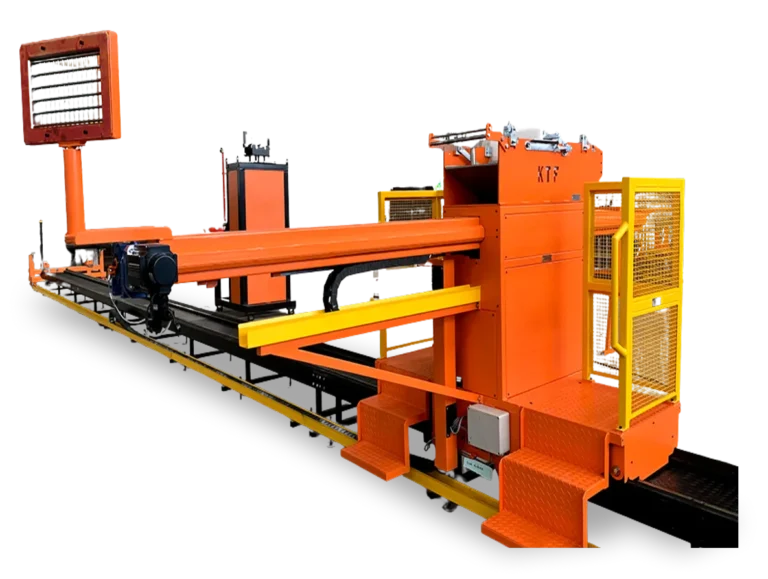
A process designed for circular structures such as tanks, poles, and pipes, providing control over strength and load distribution.
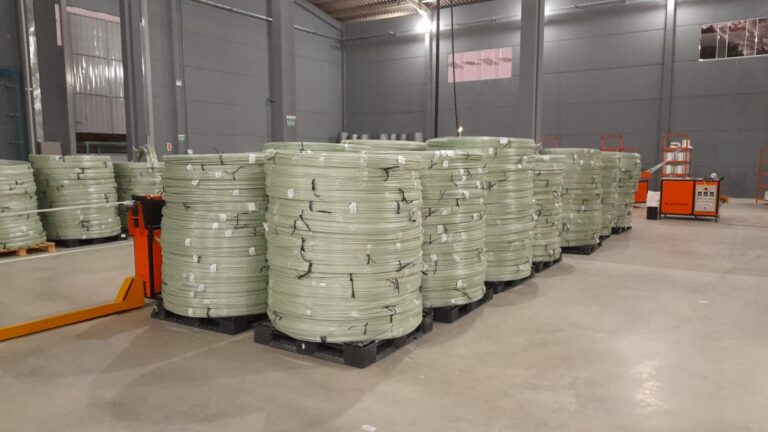
Advances in these technologies have led to increased productivity, standardization, and consistent quality on a large scale.
Trends for the Coming Years
The composites industry is moving toward:
- Advanced Process Automation
- Data Integration and Digital Control
- Custom Projects on Demand
- International Expansion of Specialized Manufacturers
Companies that invest in in-house engineering, internal quality control, and specialized technical support tend to lead this trend.
More Than Just Equipment: Structuring Operations
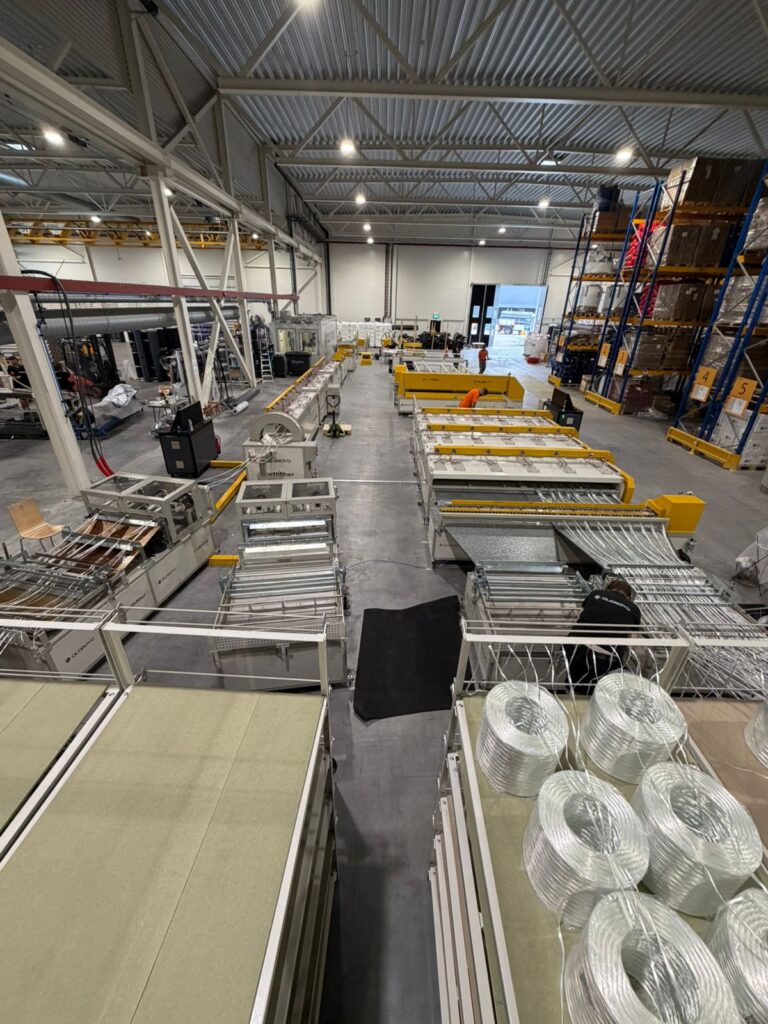
Setting up a composites production line requires more than just purchasing machinery. It requires technical planning, an appropriate manufacturing infrastructure, staff training, and a strategic market vision.
The consolidation of the industry depends on manufacturers that offer not only technology but also consulting and comprehensive support.
Conclusion
The future of the composites industry is promising and full of growth potential. With increasingly strategic applications, the sector demands continuous innovation, industrial precision, and a global perspective.
Companies that are prepared for this transformation don't just keep pace with the market—they lead the way.