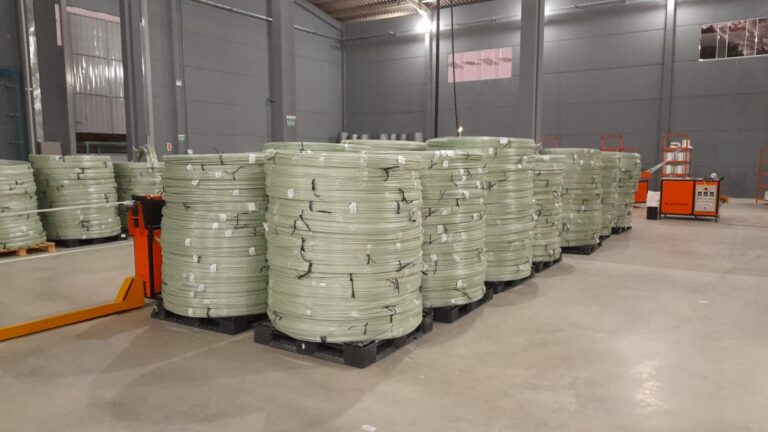

GFRP Rebar It’s the name that’s drawing attention in new construction projects thanks to a promise that’s hard to ignore: it’s up to four times lighter than steel and offers high tensile strength.
In practice, this material is neither “magic steel” nor a universal solution for every construction project. It is a composite material, made of fiberglass and polymer resin, designed to reinforce concrete in situations where light weight, durability, and corrosion resistance make a difference.
Interest is growing because many costly problems in construction don’t appear on the first day of the project, but years later. Corrosion, frequent maintenance, loss of performance, and structural deterioration can turn a cheap choice at the outset into a hefty bill down the road.
In this article, you’ll learn what GFRP rebar is, how it compares to steel, where it can be used, and what technical considerations need to be taken into account before specifying this material for a construction project.
Suggested internal link: A Comprehensive Guide to Innovative Materials in Construction
What is GFRP rebar, and why is it attracting attention?
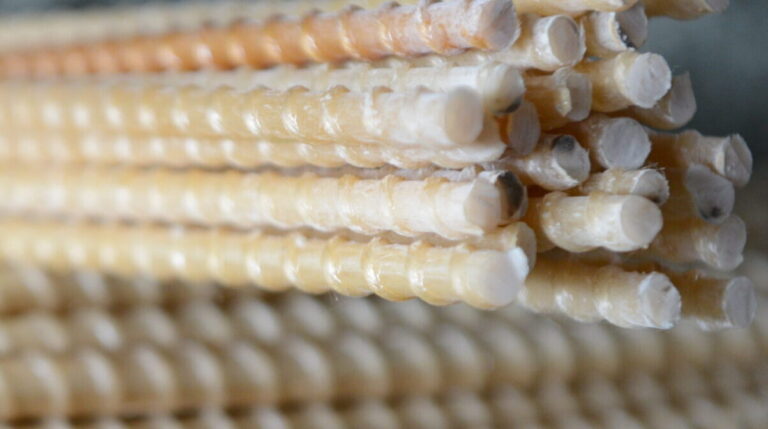
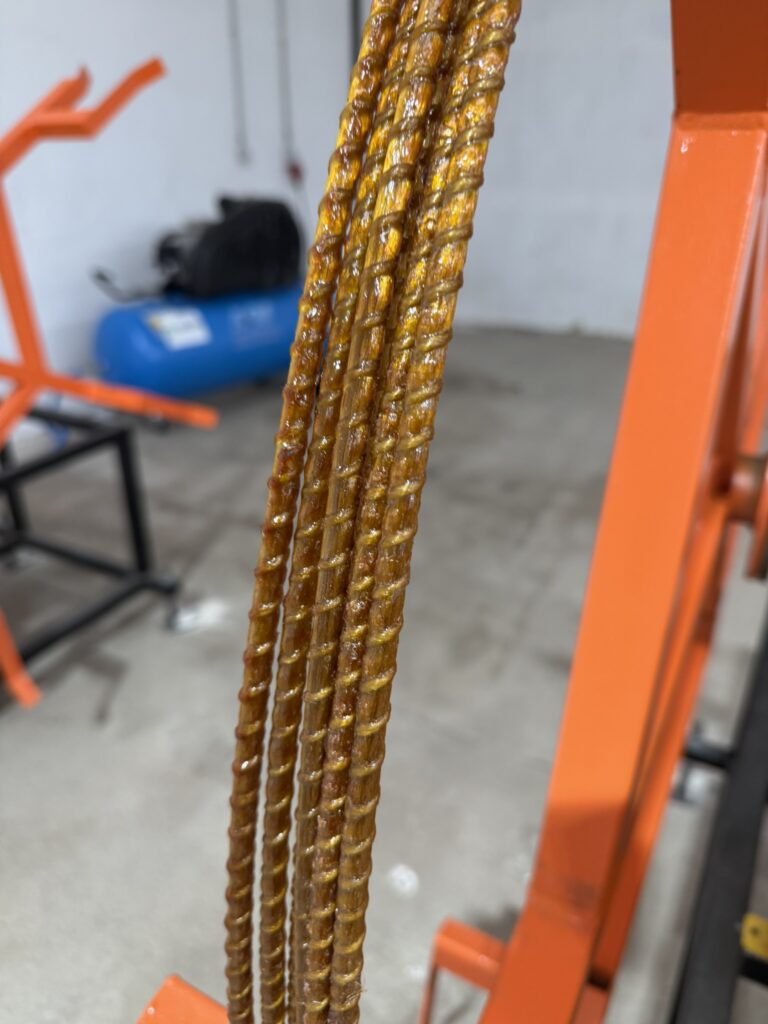
O GFRP rebar It is a reinforcement bar made of glass-fiber-reinforced polymer. Instead of metal, it uses continuous glass fibers embedded in a resin matrix, forming a lightweight, strong, non-metallic component.
This composition explains why the material has become a focus in modern construction projects. It combines low weight, tensile strength, and corrosion resistance—three factors that directly impact the transportation, installation, and service life of reinforced concrete structures.
How Glass-Fiber-Reinforced Polymer Works
O glass-fiber-reinforced polymer It acts as a bond between two parts: the fibers bear most of the tensile stress, while the resin protects, organizes, and distributes the loads among them.
It is precisely this composite logic that sets GFRP apart from traditional steel. Steel is a homogeneous metallic material, whereas GFRP is designed by combining materials with different functions.
This difference offers advantages, but it also changes the way we design. The structural behavior of GFRP is not the same as that of steel, especially in terms of stiffness, deformation, and response under prolonged loading.
Why tensile strength has become the main focus
A tensile strength This is one of the most frequently cited points when discussing fiberglass rebar. In many specifications, GFRP bars may have higher tensile strength than conventional steel rebar.
But there is one important point to note here: greater tensile strength alone does not mean that a material is better in every situation. In engineering, strength, stiffness, adhesion to concrete, deformation, and durability must all be evaluated together.
For this reason, GFRP stands out not only for “lasting longer,” but also for offering an attractive combination of low weight, good strength, and high resistance to environments where steel is prone to corrosion.
Suggested image: A close-up of GFRP rebar bars next to steel rebar, on a clean construction site, highlighting their lightness, fiberglass, and reinforced concrete.
GFRP Rebar vs. Steel Rebar: What’s the Difference in Practice?
Compare fiberglass rebar When it comes to steel, you need to look beyond the price per meter. The choice involves weight, productivity, transportation, durability, the environment in which it will be used, and structural behavior.
Steel remains the dominant material and is extremely well known among designers. GFRP, on the other hand, is gaining ground when the goal is to reduce corrosion-related problems and facilitate construction during certain stages of the project.
Weight, Transportation, and Productivity on the Construction Site
Lightweight is one of the most obvious advantages of GFRP. In many applications, it can weigh about a quarter as much as the equivalent steel, which makes it easier to transport, store, and handle on the job site.
For construction crews, this can mean less physical effort, faster progress, and less reliance on heavy equipment during certain stages. In large projects, this logistical difference can become significant.
In addition, lighter bars can facilitate construction work in hard-to-reach locations, structural renovations, coastal construction projects, and projects where transporting materials poses a significant challenge.
Corrosion, Durability, and Maintenance of Structures
A corrosion in structures This is one of the main reasons for the interest in GFRP rebar. Since it is not made of metal, it does not rust like steel when exposed to moisture, salts, or harsh chemicals.
This point is especially important in reinforced concrete structures near the coast, on bridges, in parking garages, on industrial floors, and in structures exposed to chlorides or humid environments.
When steel corrodes inside concrete, it can expand, cause cracks, and compromise the structure’s durability. GFRP reduces this specific risk, helping to design structures that require less maintenance over their service life.
Quick comparison:
Criterion: Weight
GFRP Rebar: Much Lighter
Steel rebar: heavier
Criterion: Corrosion
GFRP Rebar: High Corrosion Resistance
Steel rebar: may corrode in harsh environments
Criterion: Tensile strength
GFRP rebar: may be of a higher grade, as specified
Steel rebar: high-quality and widely known
Criterion: Stiffness
GFRP rebar: lighter than steel
Steel rebar: greater rigidity
Criterion: Use in a project
GFRP Rebar: Requires a Specific Calculation
Steel rebar: a traditional and well-established use
Where can fiberglass rebar be used?
O FRP in the Construction Industry It tends to make more sense in projects where corrosion is a significant problem. This includes environments exposed to sea air, constant humidity, chemicals, or cycles of environmental stress.
It may also be useful in projects that aim to reduce weight during construction, improve durability, and lower maintenance costs over time. However, its application must follow a specific technical design.
Coastal structures, bridges, slabs, and harsh environments
In coastal construction projects, GFRP rebar stands out because the salt present in the environment accelerates the deterioration of metal reinforcement when there are gaps in the concrete's protection.
For this reason, the material is used as an alternative in decks, walkways, bridges, walls, marine structures, industrial floors, parking garage slabs, and concrete elements exposed to harsh conditions.
Another possible application is in structures that require low electrical conductivity or low electromagnetic interference. Since GFRP is non-metallic, it can be useful in specific situations, such as technical areas and certain industrial environments.
When the application requires greater technical care
A structural durability It involves more than just choosing a durable material. You need to evaluate the type of stress, the part's geometry, the coverage, the adhesion, the allowable deflection, and the safety criteria.
GFRP behaves differently from steel, mainly because it has lower stiffness. This can affect deformation and cracking, requiring proper design to ensure good in-service performance.
In other words: it is not enough to simply replace a steel bar with a GFRP bar of the same diameter and continue construction as usual. The replacement must be determined by a licensed engineer, based on standards and the manufacturer’s data.
Will GFRP rebar replace steel in construction?
The most realistic answer is: the GFRP rebar It is expected to grow as an alternative to steel rebar, but it is not expected to replace steel in all construction projects immediately or universally.
Steel still offers significant advantages: availability, tradition, well-established standards, a workforce accustomed to working with it, and well-understood structural behavior. GFRP is emerging as a strategic solution for specific applications.
The Role of Standards, Structural Analysis, and Specifications
Like any composite material When used in structural applications, GFRP requires clear specifications. The designer must consider its mechanical properties, strength, modulus of elasticity, adhesion to concrete, and service limits.
It is also essential to verify certifications, manufacturer test reports, compliance with local standards, and technical recommendations. In public works or large-scale projects, this is even more important.
Proper use of the material begins before the purchase. It involves the design phase, budgeting, performance analysis, and on-site installation by trained personnel.
The likely future: selective replacement, not an immediate total switch
The idea that GFRP will “replace steel” may sound appealing, but it oversimplifies the reality of engineering. What is more likely is a selective substitution, where each material is used where it delivers the best performance.
In harsh environments, GFRP may offer advantages by reducing corrosion and maintenance. In other situations, steel may still be more suitable due to its rigidity, initial cost, availability, or technical familiarity.
This combination tends to be the smartest approach: use steel where it is most effective and consider GFRP where durability and corrosion resistance justify the choice.
Is it worth using GFRP rebar in new construction projects?
Use alternative to rebar It may be worth it when the decision takes into account the building's life cycle, rather than just the initial cost of the material. In some projects, paying more up front can reduce maintenance costs later on.
The analysis should take into account the exposure environment, desired service life, local availability, type of structure, applicable standards, and the team’s experience. Without this, the choice can become a gamble rather than a technical decision.
How to Evaluate Cost, Performance, and Service Life
The first step is to compare the total cost, not just the price per bar. Shipping, installation, material loss, future maintenance, and the risk of corrosion must all be factored in.
In a typical construction project, steel may still be more competitive. In harsh environments, GFRP can make up for this through its longer service life and reduced need for future maintenance.
It is also important to talk to reliable suppliers and request technical data sheets. Tensile strength, modulus of elasticity, available diameters, and certifications must be documented.
Quick Checklist Before Specifying the Material
Before using GFRP rebar, it’s a good idea to perform a simple check. This helps distinguish between technological enthusiasm and a truly safe and beneficial application.
Is there a high risk of corrosion at the construction site?
Was the structural design based on GFRP?
Does the manufacturer provide complete test results and technical data?
Does the team know how to handle, cut, and install the material properly?
Does the total cost take maintenance and useful life into account?
If most of the answers are positive, GFRP may be a very interesting option. If there are technical concerns, the best course of action is to review the design before replacing any reinforcement.
The new rebar shows promise, but it needs to be designed
O GFRP rebar It is one of the most interesting alternatives to steel in new construction projects, especially when the project requires lightness, tensile strength, and greater protection against corrosion.
Its greatest value lies not in being a miracle solution, but in solving very specific problems in the construction industry. In harsh environments, coastal construction projects, and structures with high maintenance costs, it can make a big difference.
At the same time, the decision must be based on technical considerations. GFRP behaves differently from steel and must be specified using appropriate calculations, standards, manufacturer data, and professional oversight.
For those who follow innovation in construction, the message is clear: the future will not simply consist of one material replacing another, but of making smarter choices for each type of construction project.
Suggested internal link: A Comprehensive Guide to Innovative Materials in Construction
Who manufactures the equipment used to produce GFRP rebar and mesh?
In addition to the use of GFRP rebar in construction projects, there is another important aspect in this supply chain: the manufacture of the equipment that makes this production possible on an industrial scale.
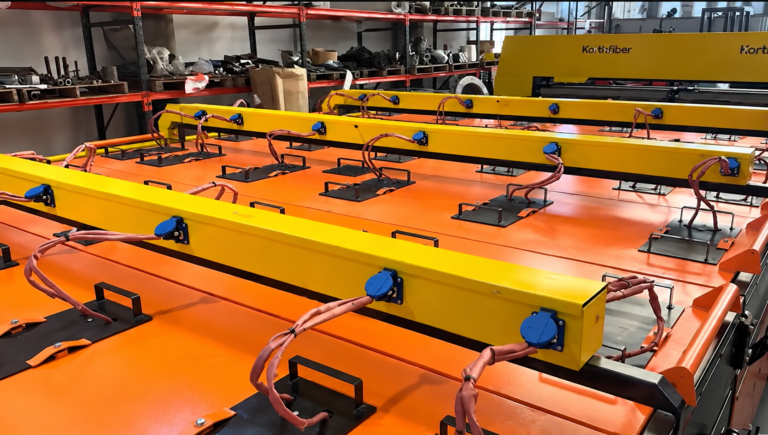
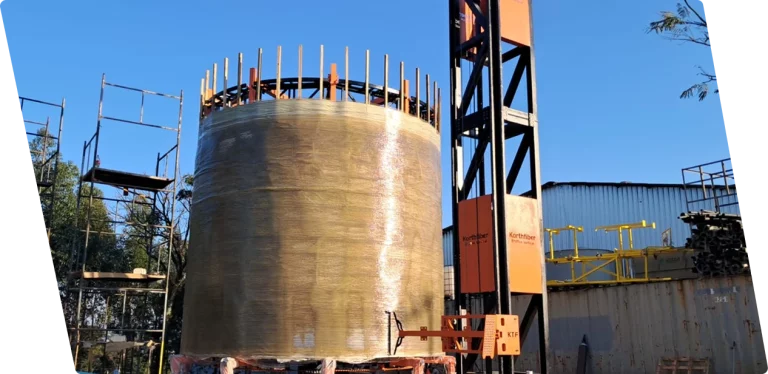
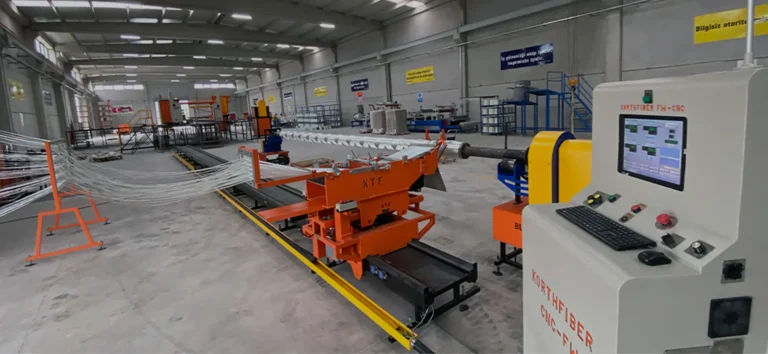
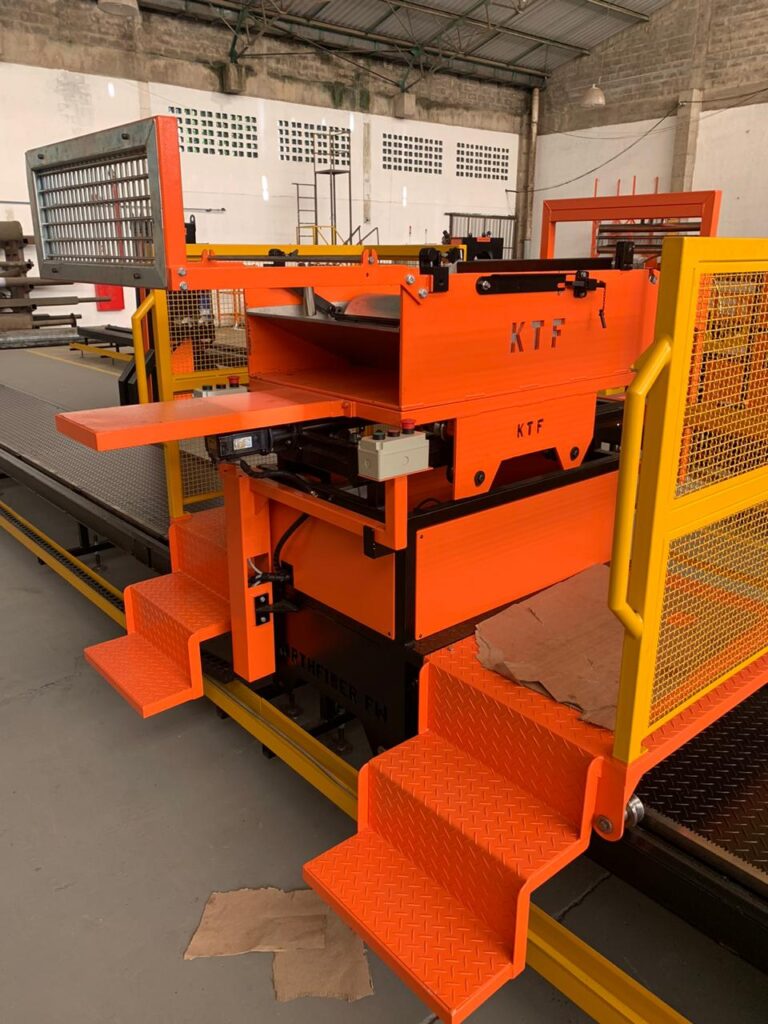
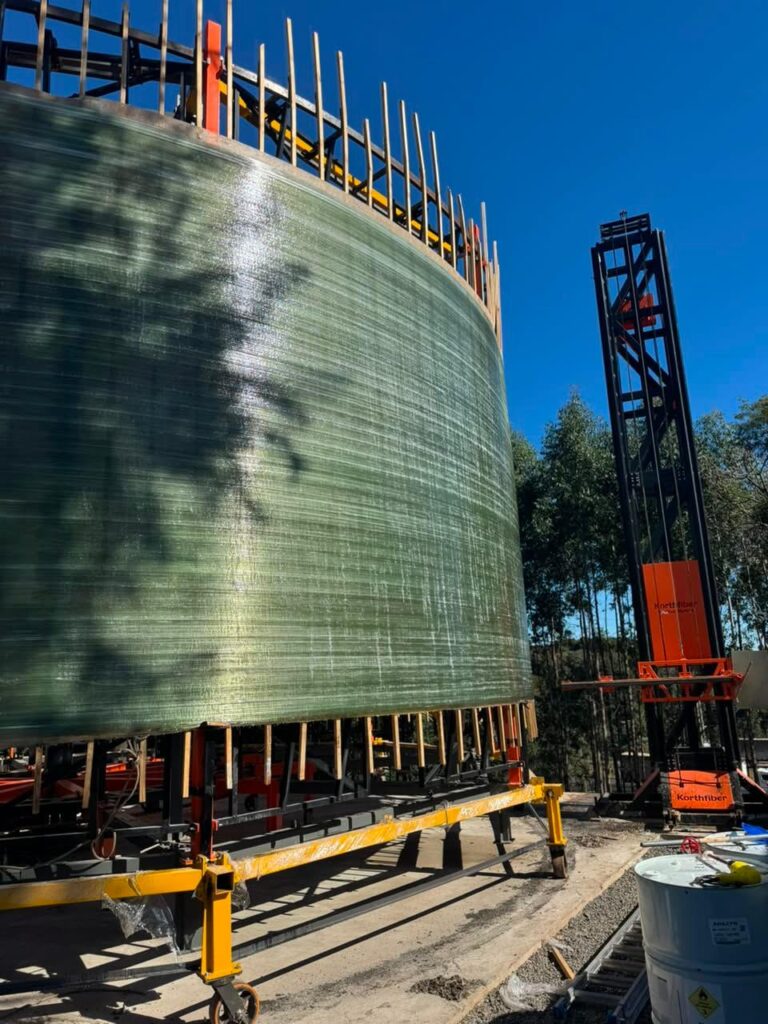
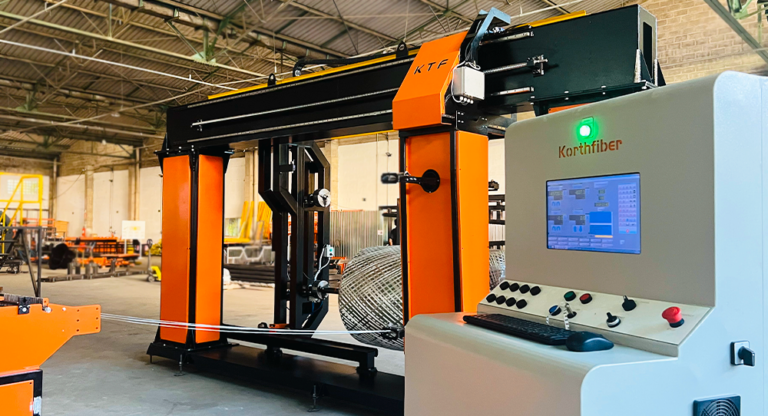
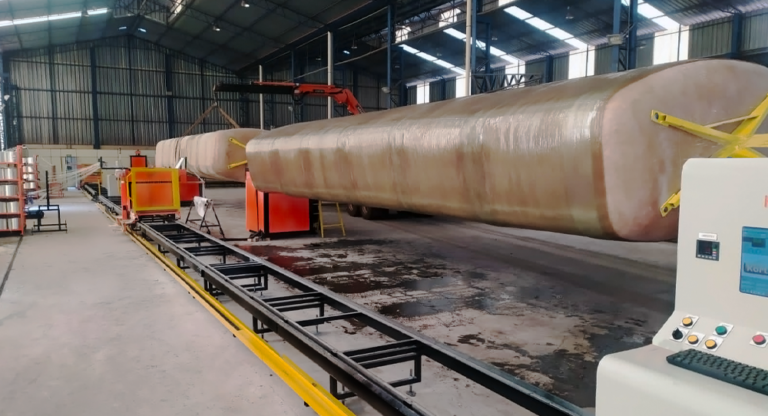
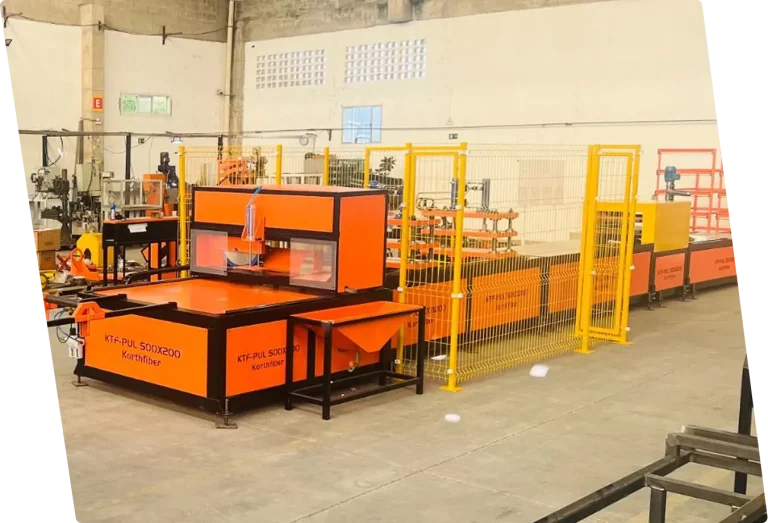
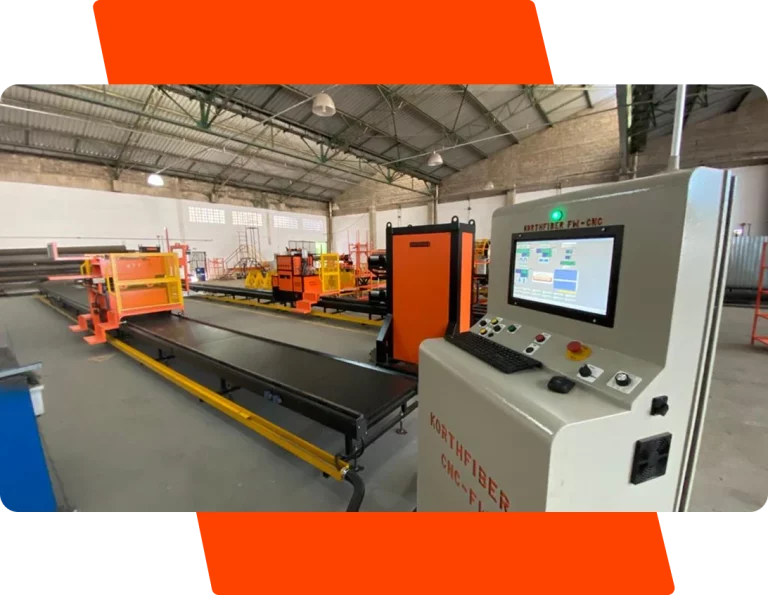
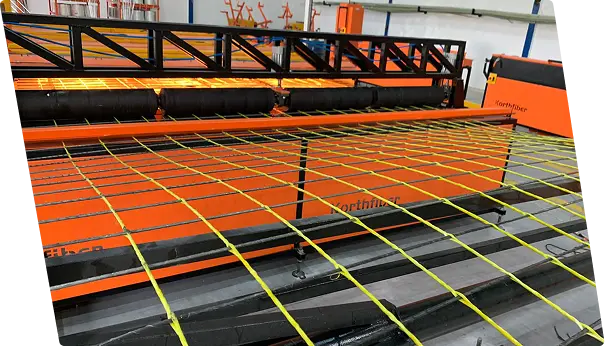
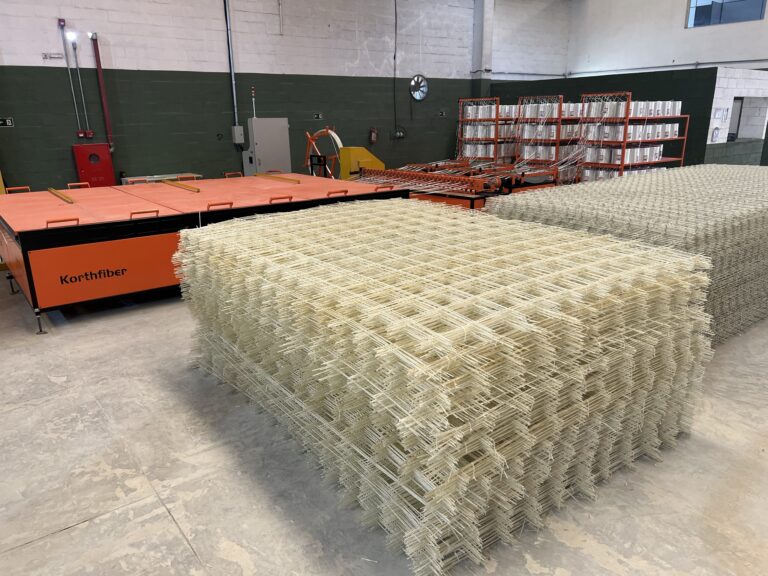
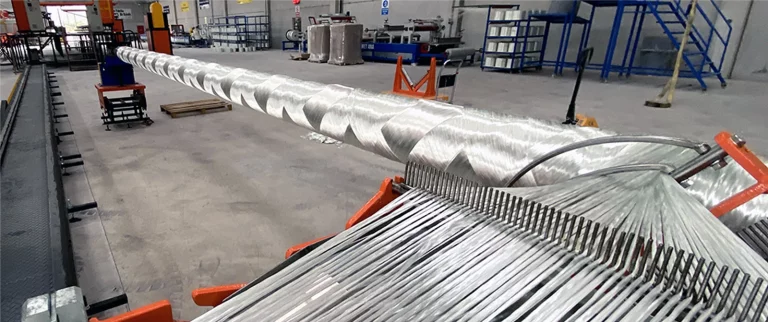
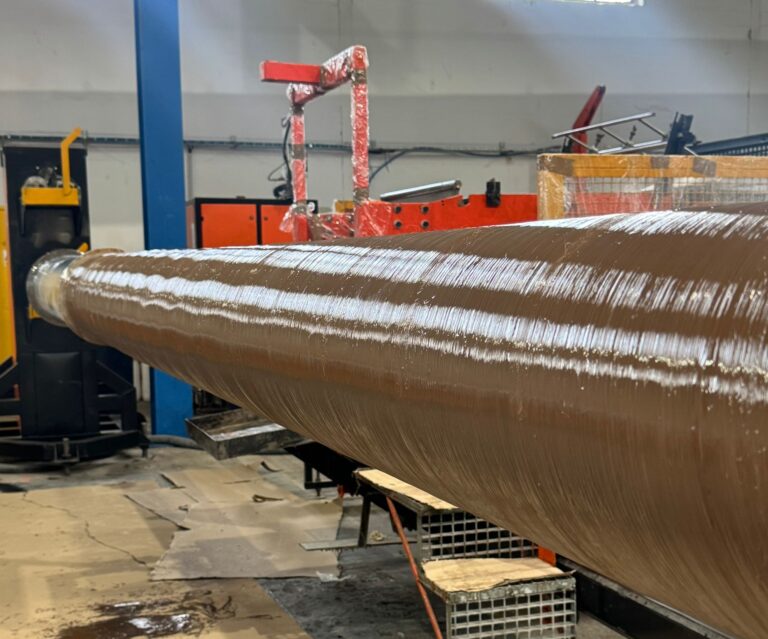
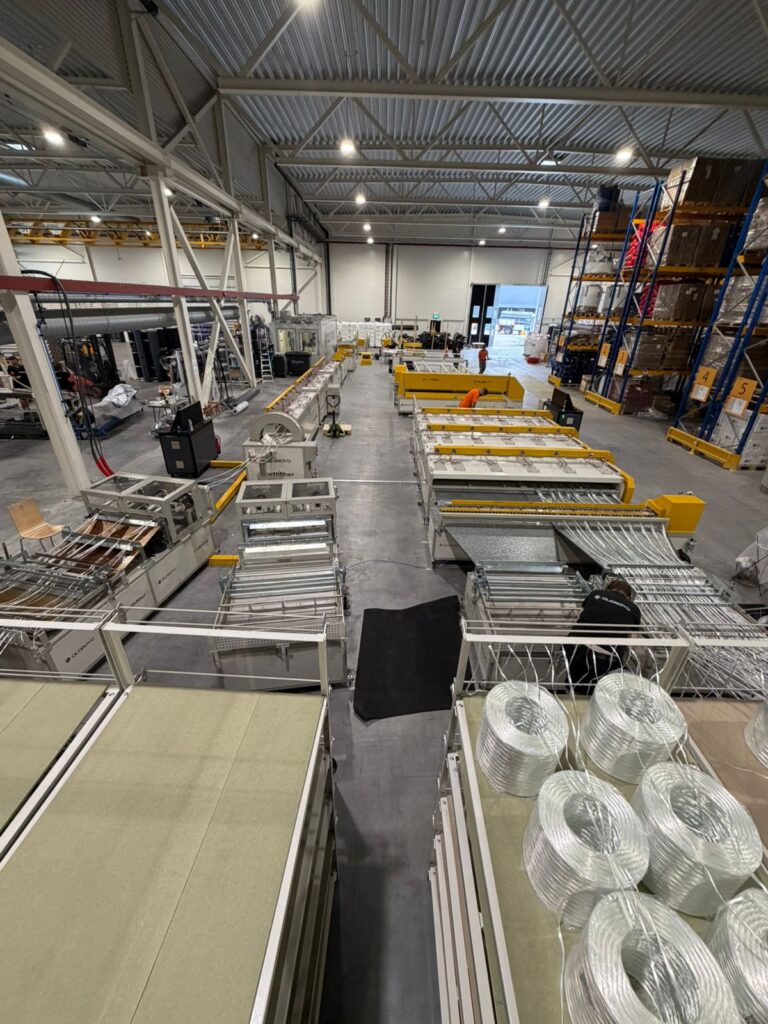
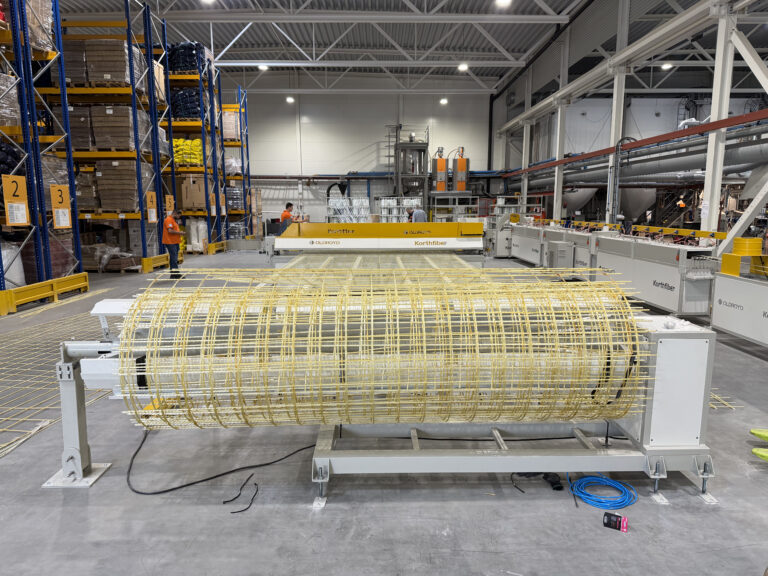
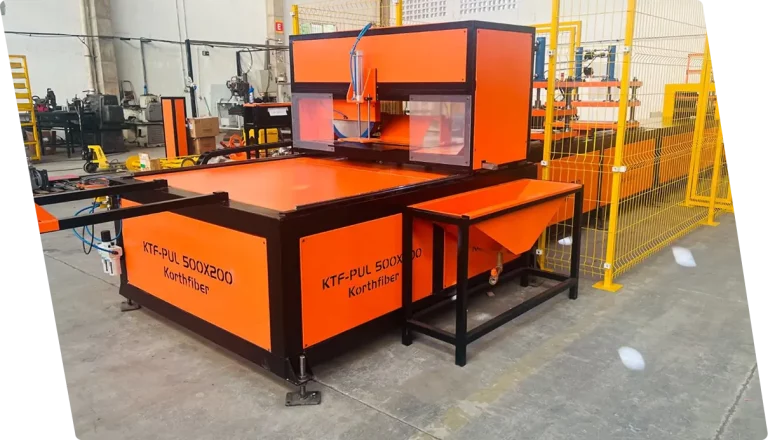
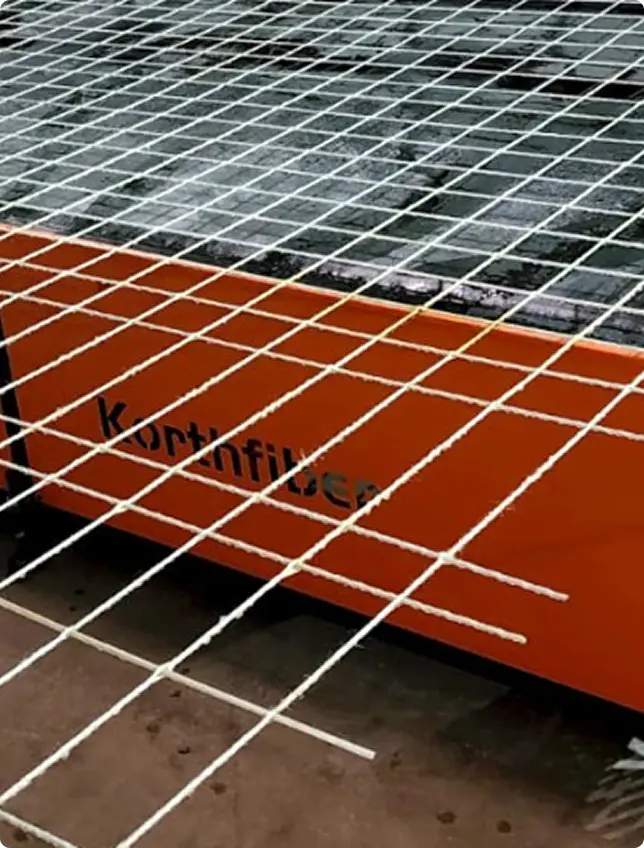
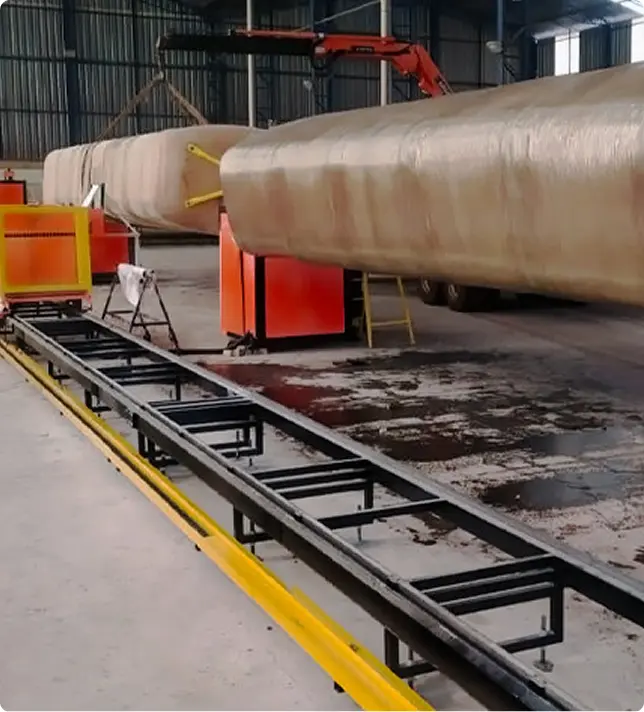
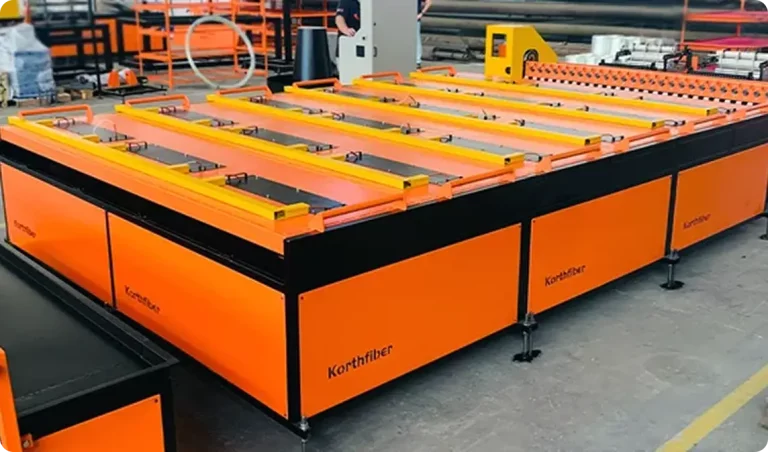
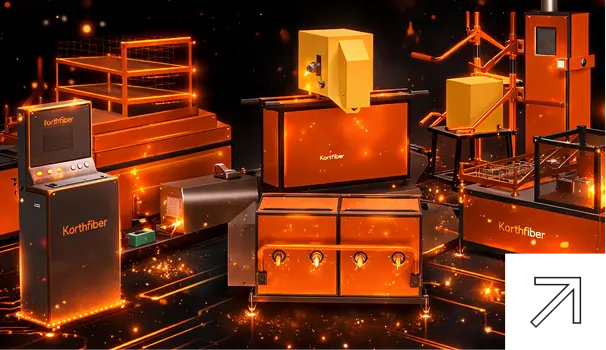
In Brazil, the Korthfiber is involved in the development of machinery for the conversion and processing of fiberglass composites, including solutions designed for the production of GFRP rebar e POP fiberglass mesh. The company offers technologies for industrial manufacturing with a focus on productivity, standardization, and applications in composite materials.
This is important because the growth of the GFRP industry depends not only on demand from the construction sector, but also on the existence of production lines capable of manufacturing rods, fabrics, and other components of consistent quality.
In other words, innovation isn't limited to the rebar itself. It also lies in the equipment, processes, and technologies that make it possible to transform fiberglass and resin into products ready for use in modern construction projects.
Korthfiber and the production of fiberglass rebar and mesh
Korthfiber offers equipment for those who want to produce fiberglass rebar e GFRP screens, linking the machinery industry to advances in new materials for the construction industry.
This type of solution can serve manufacturers, industrial entrepreneurs, suppliers of construction materials, and companies interested in entering the market for composites used in reinforced concrete.
With the right production lines, it is possible to manufacture rods and mesh with greater process control, improved repeatability, and technical standardization. These factors are essential for GFRP to be adopted with greater confidence in structural projects and engineering applications.
Therefore, when discussing the future of GFRP rebar, it is not just a matter of replacing one material with another. It is also about developing a more modern production chain, with specialized equipment to manufacture rebar and fiberglass mesh on a large scale.
Frequently Asked Questions About GFRP Rebar
What is GFRP rebar?
What is GFRP rebar? It is a reinforcing bar made of glass-fiber-reinforced polymer, used in reinforced concrete as an alternative to steel in specific applications. It is lightweight, resistant to tensile stress, and does not suffer from metal corrosion.
Do GFRP rebar rods rust?
No. GFRP rebar does not rust like steel because it is not metallic. This characteristic makes it an attractive option for construction projects exposed to moisture, sea air, chlorides, and harsh environments, where corrosion often leads to costly maintenance.
Is GFRP rebar stronger than steel?
In terms of tensile strength, GFRP rebar can outperform steel in some specifications. However, it has different stiffness characteristics and must be properly sized. Any comparison must take into account the design, application, standards, and in-service performance.