
The composites industry has been evolving rapidly in recent years, driven by the search for lighter, stronger, more durable, and more efficient materials for demanding industrial applications.
In this context, filament winding has become one of the most important technologies for manufacturing fiberglass structures and composite materials, especially in applications that require high mechanical and chemical resistance.
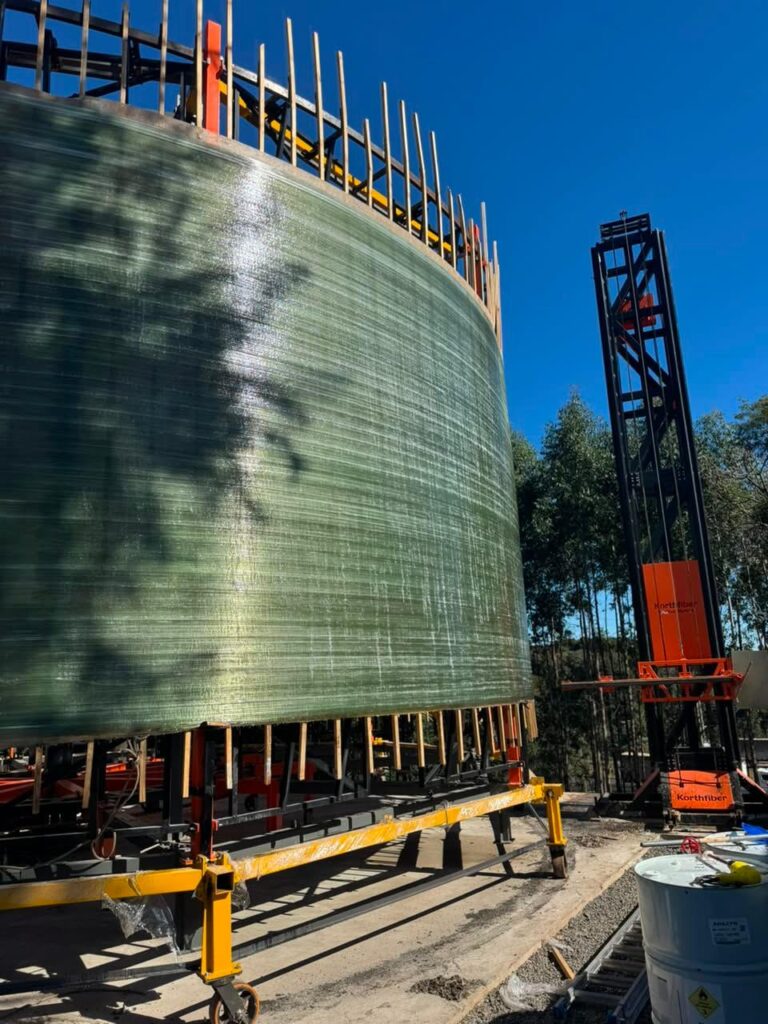
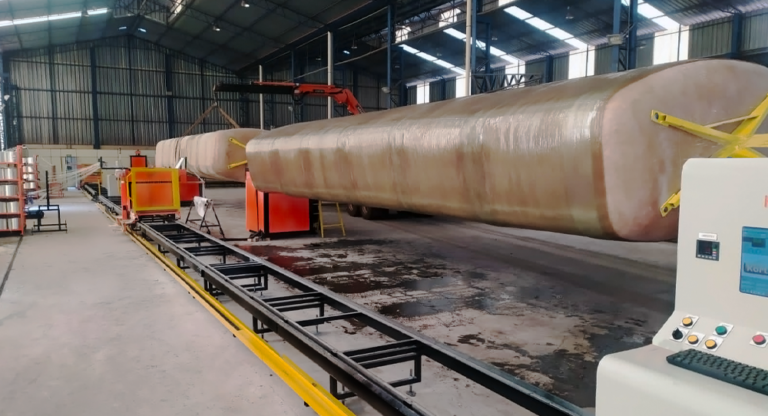
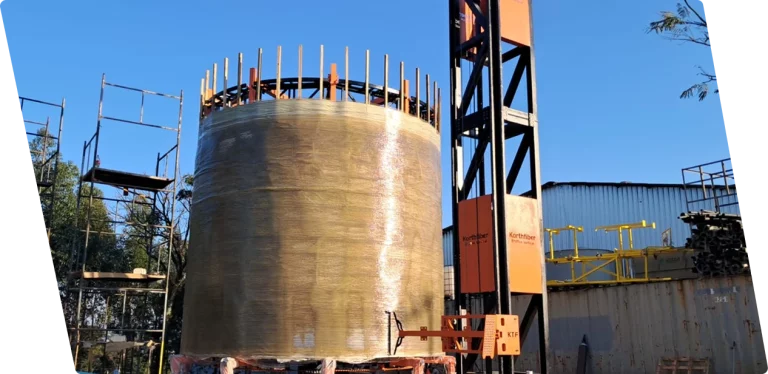
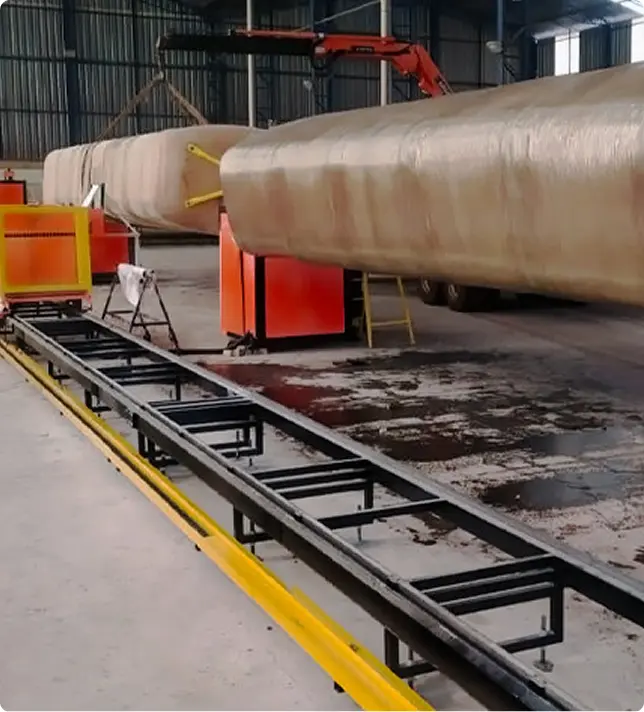
Widely used in the manufacture of tanks, pipes, poles, pressure vessels, and tubular structures, the process offers a high level of automation, manufacturing precision, and excellent structural performance.
Its ability to produce durable parts that are lighter in weight and have a long service life means that this technology is becoming increasingly prevalent in sectors such as sanitation, energy, the chemical industry, the oil industry, and infrastructure.
But what exactly is filament winding? How does this process work in practice? And why is it replacing conventional materials in various industrial applications?
What Is Filament Winding?
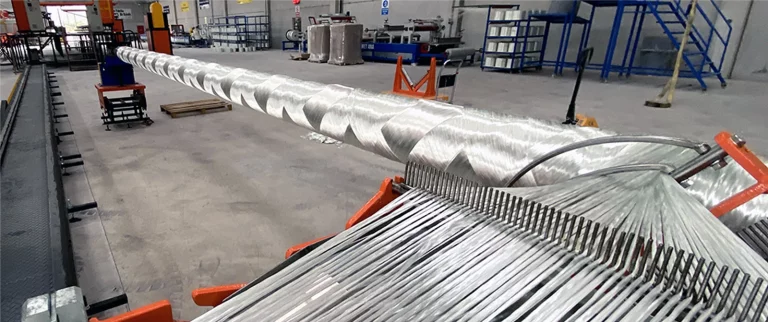
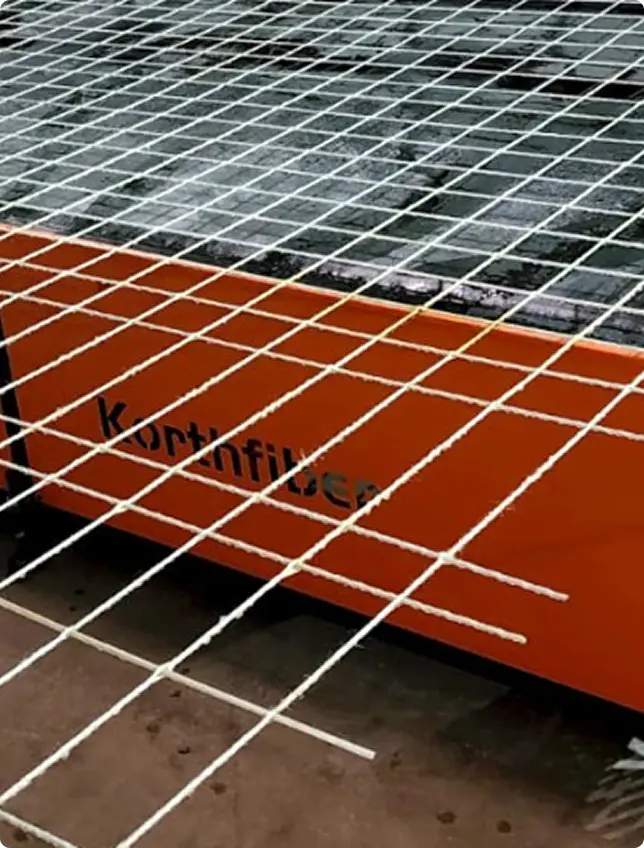
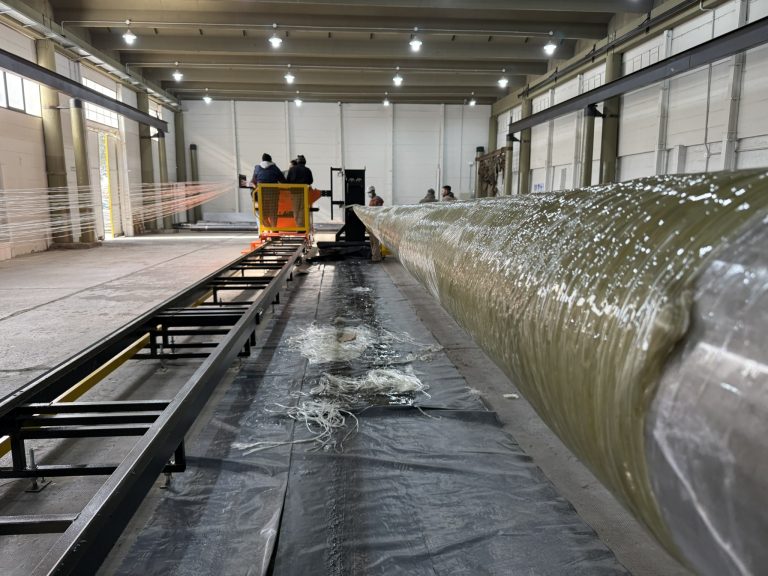
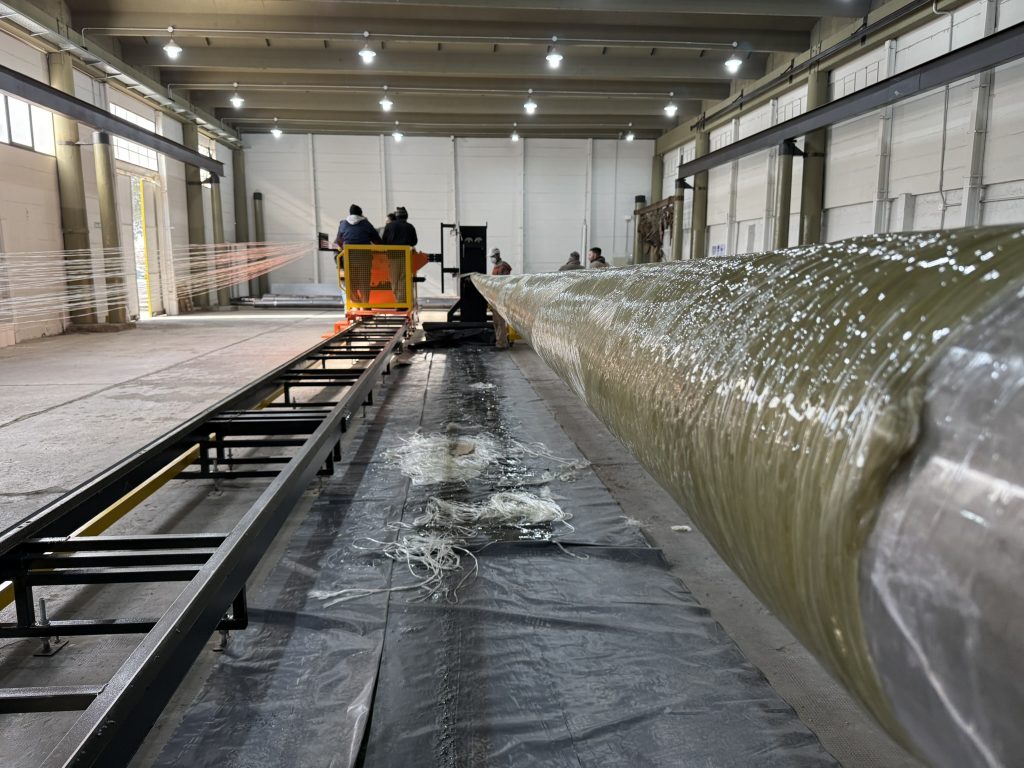
Filament winding is a composite manufacturing process in which continuous fibers impregnated with resin are wound in a controlled manner onto a rotating mandrel.
During the process, the fibers are oriented at specific angles, determined by the structural requirements of the part. This control makes it possible to manufacture components that are extremely strong, lightweight, and have high dimensional accuracy.
This method is particularly effective for producing cylindrical, tubular, or rotationally symmetric parts, ensuring excellent structural utilization of the fibers.
How Does the Filament Winding Process Work?
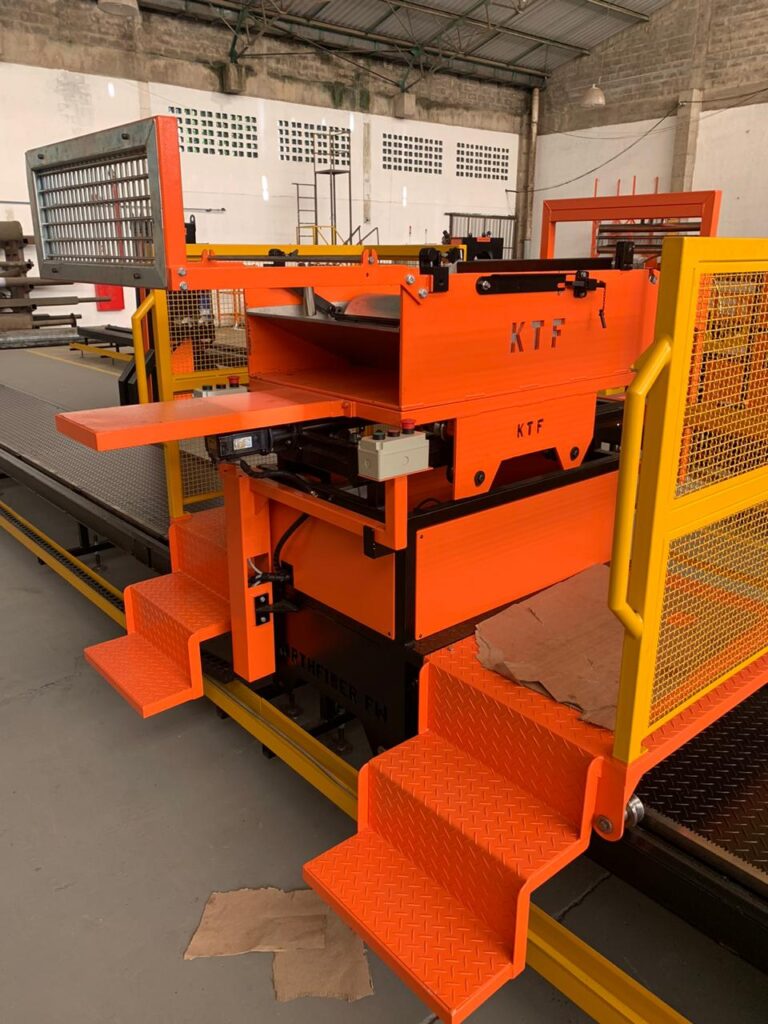
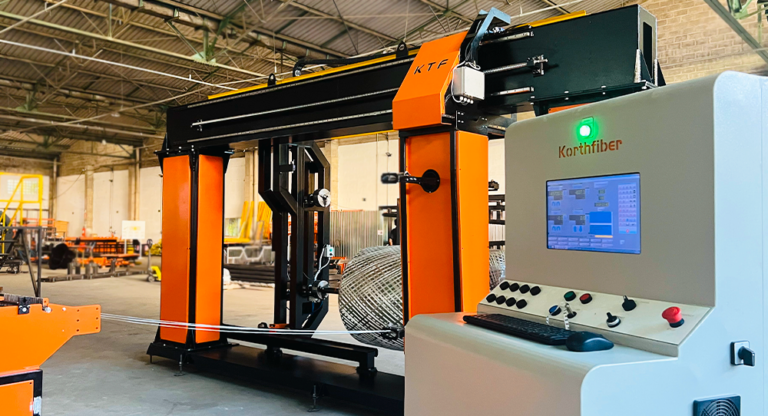
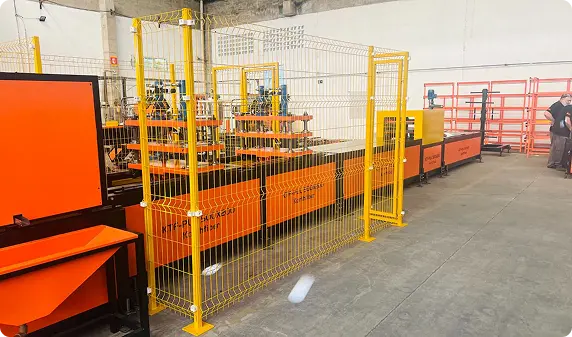
The process is automated and controlled by CNC systems, which ensure precise fiber positioning and industrial repeatability.
Several factors directly influence the final performance of the part, such as:
- fiber tension
- winding angle
- rotational speed
- resin application
- cure control
The combination of these parameters determines the mechanical strength, structural stability, and durability of the manufactured component.
Key Steps in the Process
1. Preparing the chuck
The chuck determines the internal shape of the part to be manufactured.
Depending on the application, it can be metal, removable, or disposable.
2. Fiber impregnation
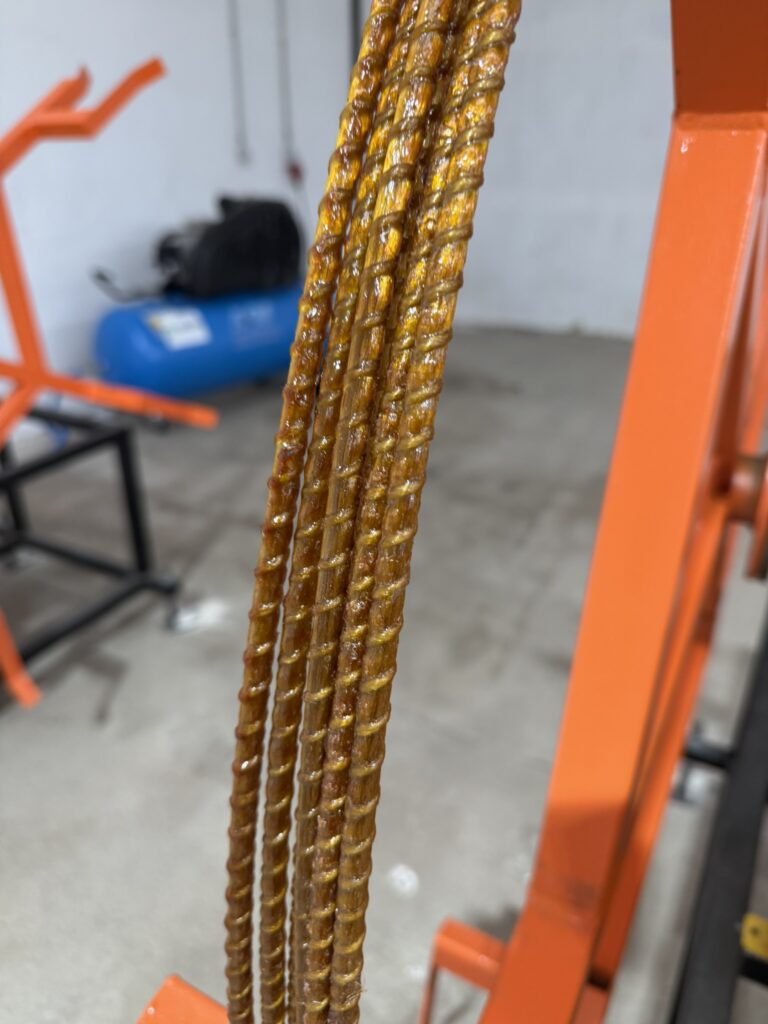
The fibers undergo a resin impregnation process, ensuring structural adhesion and chemical resistance for the composite.
3. Controlled winding
The impregnated fibers are applied to the mandrel in specific patterns and at preprogrammed angles.
This control is essential to the structural performance of the part.
4. Resin curing
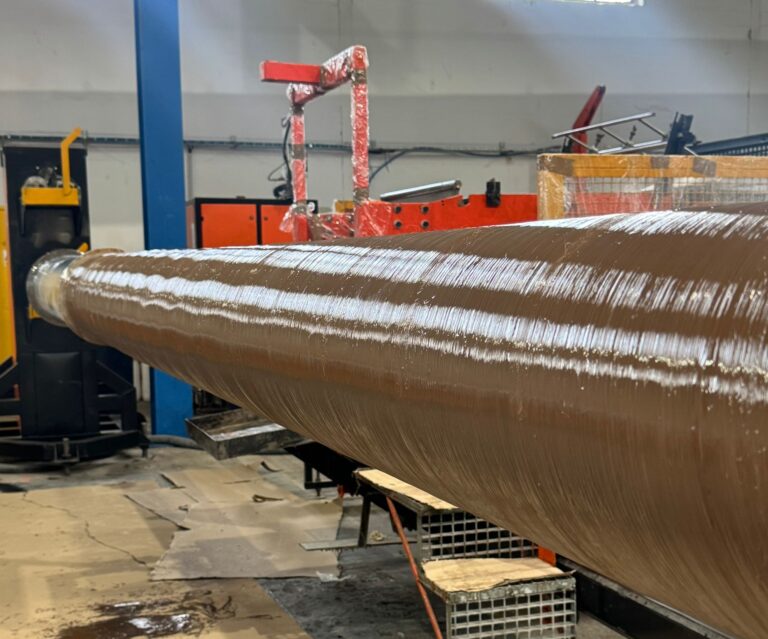
After winding, the resin undergoes thermal curing, which strengthens the composite material's structure.
5. Removing the chuck
After curing, the mandrel is removed, revealing the final structure, ready for use.
Main Applications of Filament Winding
This technology is widely used in industrial applications that require structural strength, durability, and chemical resistance.
Among the most common applications are:
- industrial tanks
- FRP pipes
- pressure vessels
- poles
- tubular structures
- chemical storage tanks
- sanitation components
- energy and infrastructure facilities
Key Advantages of Filament Winding
High structural strength
Controlling the orientation of the fibers makes it possible to optimize the distribution of mechanical stresses, resulting in extremely strong structures.
Chemical resistance
Composites produced by filament winding offer excellent performance in harsh, corrosive, and industrial environments.
Production accuracy
Process automation reduces operational errors and increases repeatability and industrial standardization.
Weight loss
Lighter structures make transportation, installation, and on-site logistics easier.
Greater durability
Composite materials have a long service life even in harsh environments, reducing maintenance costs over time.
Filament Winding vs. Conventional Materials
Composite materials have been replacing metal solutions in various industries precisely because of their combination of strength, lightness, and durability.
While metallic materials are subject to corrosion and require frequent maintenance in certain industrial applications, composites offer greater chemical stability and suffer less deterioration over time.
In addition, the high strength-to-weight ratio makes it possible to develop structures that are more efficient and offer better operational performance.
The Future of Composite Technology
With advances in industrial automation and materials engineering, filament winding continues to evolve rapidly.
Multi-axis CNC machines have significantly improved the precision, productivity, and structural control of manufacturing processes.
At the same time, global demand for high-performance materials continues to grow, driven by the need for greater efficiency, durability, and reduced industrial maintenance.
Companies that invest in advanced technologies are able to create structures that are more competitive, scalable, and aligned with the demands of the modern market.
Why Invest in Filament Winding Technology?
More than just a manufacturing process, filament winding has become a strategic solution for the composites industry.
Companies that invest in modern equipment are able to:
- increase productivity
- reduce waste
- improve structural quality
- improve dimensional accuracy
- automate processes
- achieve industrial-scale production
As global demand for stronger and more durable materials grows, automated technologies such as filament winding are likely to become even more widespread in industrial and structural applications.
How Korthfiber Can Help Your Production
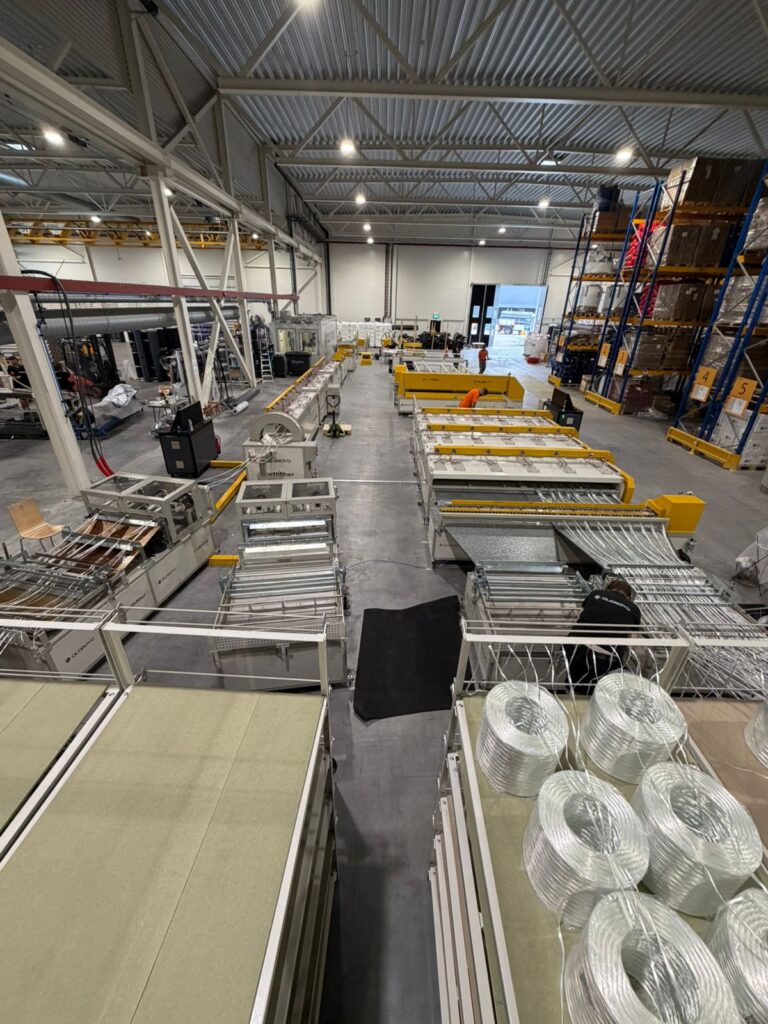
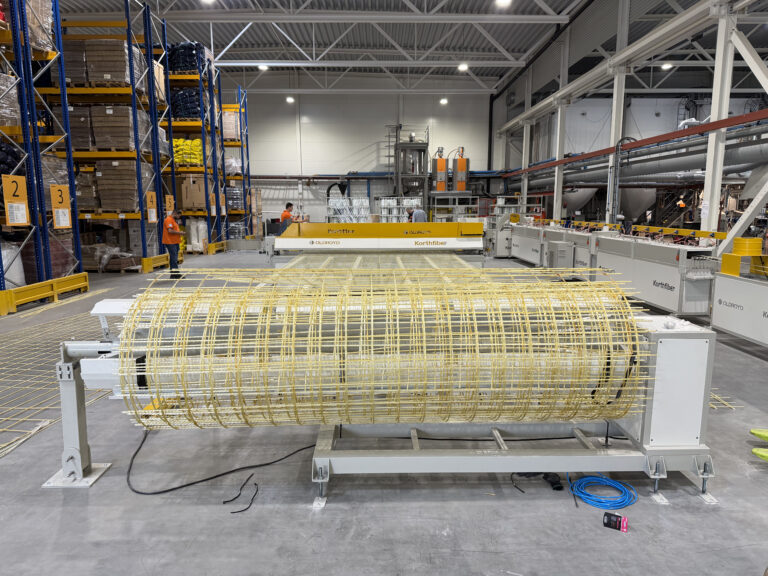
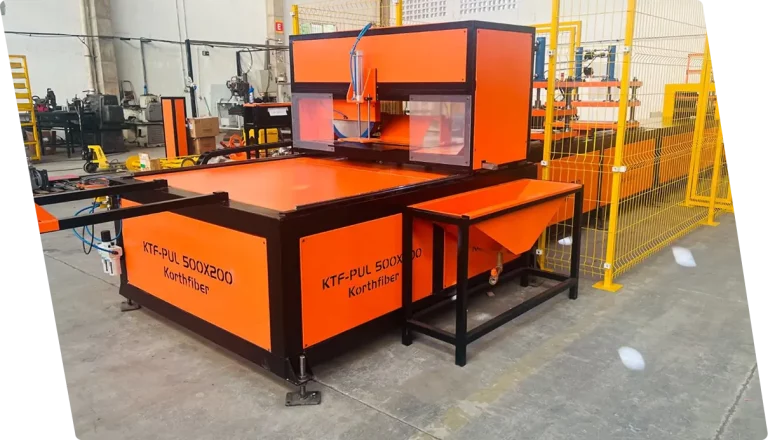
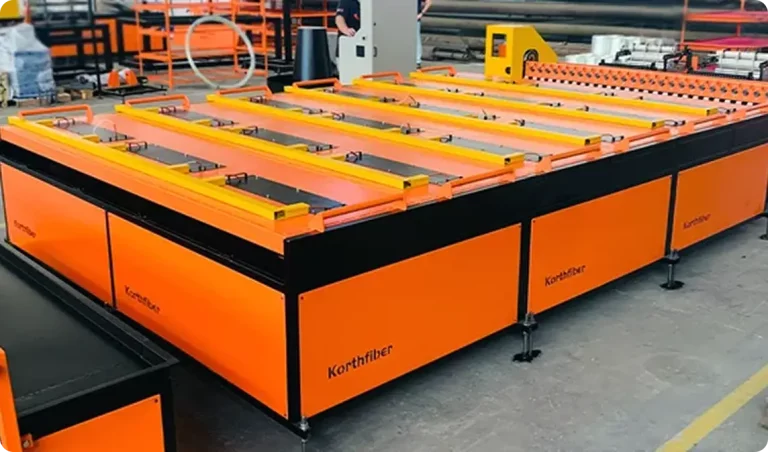
Korthfiber develops advanced machines and solutions for the manufacture of fiberglass structures and composite materials, offering high precision, automation, and industrial performance.
With a focus on innovation and productivity, the company develops technologies for processes such as filament winding, meeting the diverse needs of modern industry.
Would you like to learn how filament winding solutions can boost productivity and quality in your operation?
Please contact the Korthfiber and discover the best solution for your industrial production.