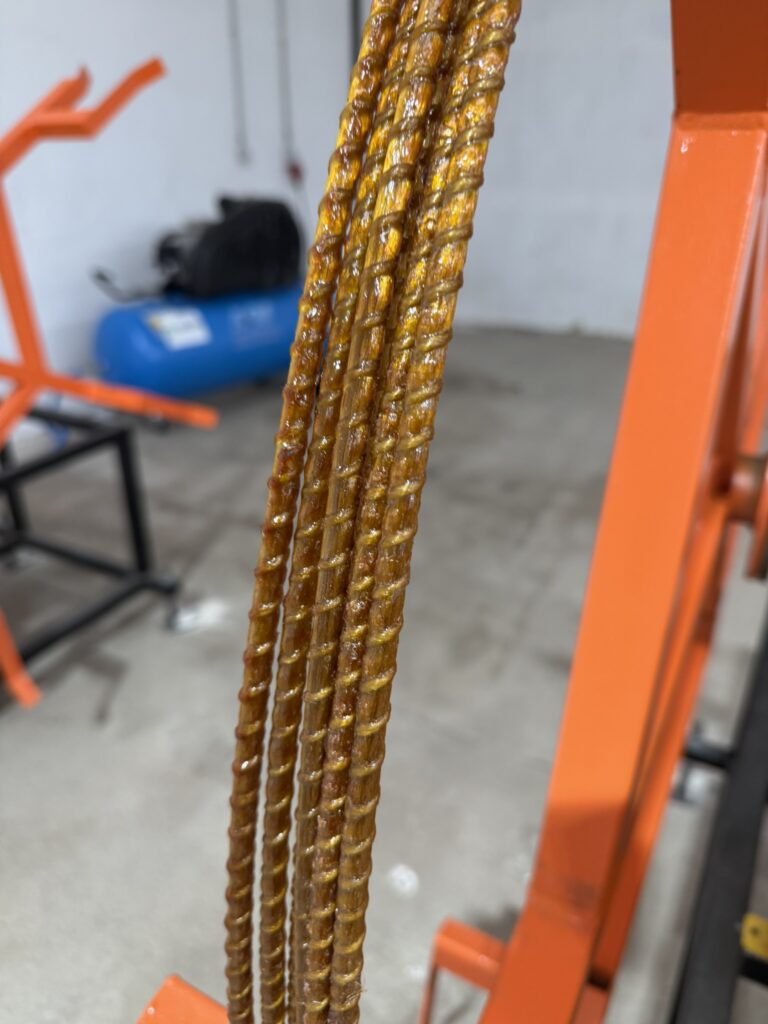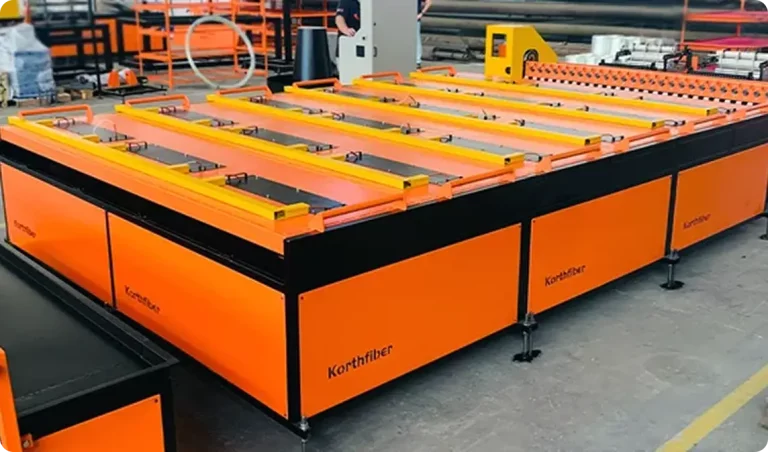

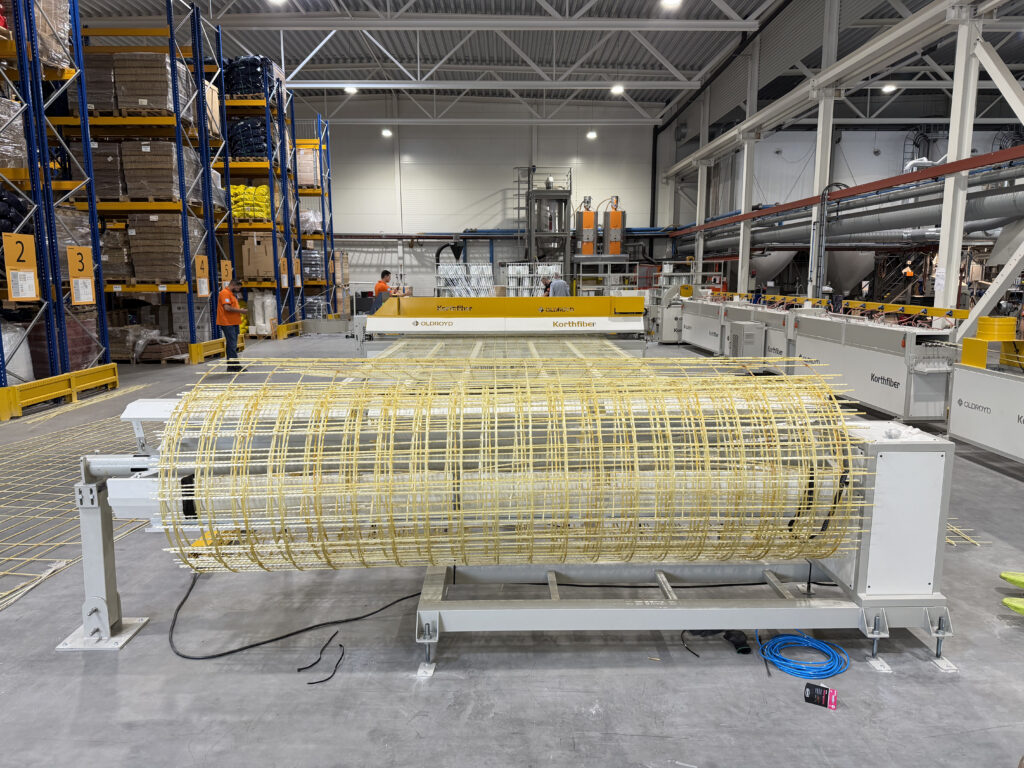
When people talk about fiberglass mesh, the first thing that comes to mind is concrete reinforcement—replacing the welded steel mesh in slabs, floors, and structural elements. It is an important application that deserves this recognition. But to reduce GFRP mesh to just that is to overlook half the market—perhaps even more.
The same properties that make GFRP mesh effective in concrete—lightweight, corrosion resistance, electrical non-conductivity, and high tensile strength—open doors to sectors completely different from traditional civil construction. Geotechnical engineering, mining, building facades, masonry, and electrosensitive environments: each of these markets faces a problem that steel cannot solve effectively, but GFRP mesh can.
This article details each of these areas, explaining the technical requirements for each application and why GFRP mesh is the right choice where metal poses problems.
Geogrids: Soil and Pavement Reinforcement
One of the fastest-growing global applications for fiberglass mesh. GFRP geogrids are installed in soils, slopes, embankments, and pavement bases to distribute loads, reduce differential settlement, and increase geotechnical stability. The logic is simple: soil has good compressive strength but low tensile strength; the GFRP mesh provides precisely this tensile strength, acting as reinforcement for the soil matrix—in much the same way it does in concrete.
In asphalt paving, the application is specific and well-established: fiberglass mesh is placed between asphalt layers or between the granular base and the first layer of asphalt. The goal is to combat reflection cracking—those cracks that rise from the lower layer to the surface over time. The mesh absorbs and distributes tensile stresses at the interface, slowing the propagation of cracks and significantly extending the pavement’s service life.
From a practical standpoint, the light weight of the GFRP mesh makes it easy to handle in the field—lightweight rolls that are easy for small teams to position. Corrosion resistance ensures long-term performance in wet, clayey, or chemically active soil conditions, where buried metal grids would degrade over time. And its dimensional stability under heat—GFRP geogrids do not flow under heat like some polymer geogrids—is important for asphalt applications, which reach high temperatures during installation.
Masonry Reinforcement and Structural Restoration
Unreinforced masonry is brittle: it withstands compression well, but has low resistance to tension and shear. GFRP meshes are used in this context in two main ways.
Embedded in mortar during construction: In horizontal masonry joints, the mesh acts as distributed reinforcement, increasing resistance to cracking and collapse in situations involving differential settlement or thermal movement. This technique is particularly important in structural masonry and in regions with seismic requirements.
Applied to existing structures as external reinforcement: GFRP meshes are attached to walls, columns, or beams and covered with mortar or high-performance coating systems (such as FRCM—Fiber-Reinforced Cementitious Matrix). This technique allows for the restoration and enhancement of structural capacity without demolition, without a significant increase in load, and without the challenges associated with handling heavy rebar. For historic buildings or architectural heritage sites, where interventions must be lightweight, reversible, and compatible, GFRP mesh offers clear advantages over metal solutions.
Corrosion resistance is crucial: metal mesh embedded in plaster or mortar corrodes over time, expands, and causes the coating to peel away. With GFRP mesh, this problem does not exist.
Mining and Abrasive and Chemically Aggressive Environments
In mining—crushing, screening, ore transport, and environments with acids and high humidity—metal screens have a short service life. Corrosion, abrasive wear, and mechanical fatigue lead to frequent replacement, disrupting operations and driving up maintenance costs.
In this context, fiberglass screens provide mechanical strength that meets the demands of the application, without corrosion and without the product contamination issues that degraded metal can cause in certain mining operations. Their light weight makes them easy to handle and replace when necessary—less physical effort, greater operational safety.
In facilities with electrical hazards—such as mines that operate high-power electrical equipment or environments where flammable gases are present—the non-conductivity of the GFRP mesh is a safety advantage that no metal mesh can offer. The mesh simply does not conduct electricity, eliminating an entire category of risk.
Industrial wastewater treatment facilities, chemical production plants, petrochemical plants, and offshore installations share a similar profile: intense chemical aggressiveness, constant humidity, and requirements for long-term durability. These are all markets where GFRP mesh offers a real technical advantage over stainless steel or galvanized steel.
Facades, Cladding, and Dry Construction
Fiberglass mesh has been used to reinforce cladding systems for decades—but its use has expanded significantly with the growth of exterior thermal insulation systems (ETICS/EIFS) and the increasing use of cement-based and gypsum boards in drywall construction.
In coating and plastering systems: The mesh is embedded in the finish coat to distribute stresses, control cracking caused by thermal and hygroscopic movement, and ensure the integrity of the assembly. Without the mesh, thin coatings crack and peel away. With it, the system has cohesion and durability.
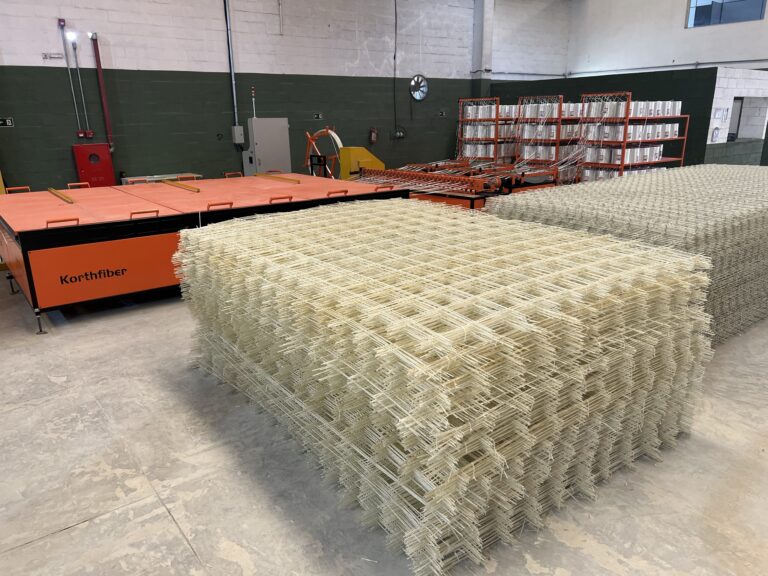
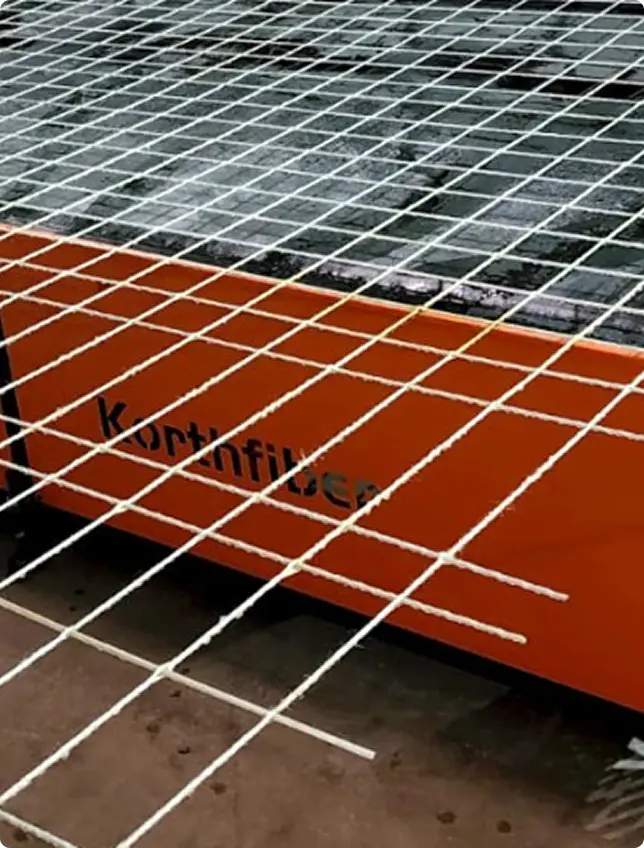
In ETICS systems (exterior walls with thermal insulation): The GFRP mesh is a structural element of the system, incorporated into the leveling layer over the insulation. It must have dimensional stability, alkali resistance (cement mortars are highly alkaline), and light weight to facilitate application on scaffolding. GFRP meshes developed for this application are treated with alkali-resistant coatings—a technical requirement that Korthfiber incorporates into its production equipment.
On cement-based and gypsum boards: The mesh is the reinforcing element that transforms a brittle material into a workable panel that is resistant to impact and cracking. It is a high-volume application with growing demand, driven by modular construction and the industrialization of construction projects.
In all these cases, the advantage over metal mesh is clear: there is no risk of rust stains appearing on the facade over time. For buildings with high-end facades or those requiring long-lasting aesthetic appeal, this is a direct selling point.
Applications where not driving is the point
The electrical non-conductivity of GFRP mesh is not merely a secondary attribute—in some contexts, it is the primary reason for choosing it.
Installations near electrosensitive equipment: In data centers, control rooms, telecommunications facilities, and research laboratories—where the presence of a metal mesh would cause electromagnetic interference or pose a risk of induction—the GFRP mesh is electrically inert. It provides reinforcement without disrupting the electromagnetic environment.
Environments with a risk of electric arcs: substations, high-voltage facilities, and industrial environments where there is a risk of accidental contact with live power lines. A non-conductive structure or screen serves as a passive safety barrier—it requires no human intervention to function; it simply does not conduct electricity.
Applications in image scanning: Magnetic resonance imaging (MRI) facilities in hospitals and clinics require an environment free of ferromagnetic metals. GFRP screens and mesh allow for the reinforcement of floors, walls, and ceilings in these rooms without interfering with the equipment’s operation. It is a small niche in terms of volume, but one with high added value and very specific technical requirements that GFRP mesh naturally meets.
Water infrastructure and structures in contact with water
Reservoirs, irrigation canals, water retention structures, wastewater treatment plants: these are all environments where reinforced concrete made with conventional steel faces the classic problem of carbonation corrosion and chloride penetration. The GFRP mesh eliminates this degradation mechanism.
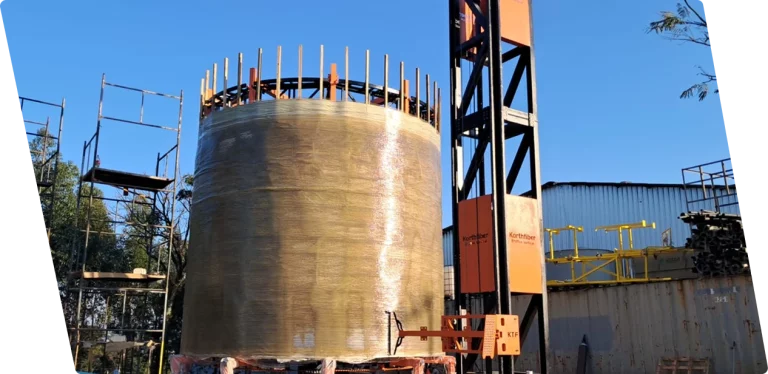
In elevated or buried reservoirs, replacing metal reinforcement with GFRP mesh results in a structure whose service life is not limited by corrosion—the concrete ages, but the mesh remains intact. For water infrastructure in coastal regions or areas with water containing high concentrations of salts and minerals, this life-cycle argument carries significant economic weight.
What all these applications have in common
The pattern is the same across all these markets: GFRP mesh prevails where corrosion, weight, or conductivity work against metal. Underground installation, chemical environments, mining, exposed facades, proximity to electrical systems, and constant contact with water—in all these contexts, steel’s physical weaknesses translate into operating costs, maintenance costs, or technical risks. GFRP mesh doesn’t eliminate these problems—it simply doesn’t have them.
For machine manufacturers, distributors, and mesh producers, this means that the market is much larger than just “concrete mesh.” It encompasses a range of applications in:
- Conventional and high-end residential construction
- Paving and Geotechnical Infrastructure
- Restoration and Reinforcement of Existing Structures
- Mining and Heavy Industry
- Environments with electrical or electromagnetic requirements
- Water Infrastructure and Sanitation
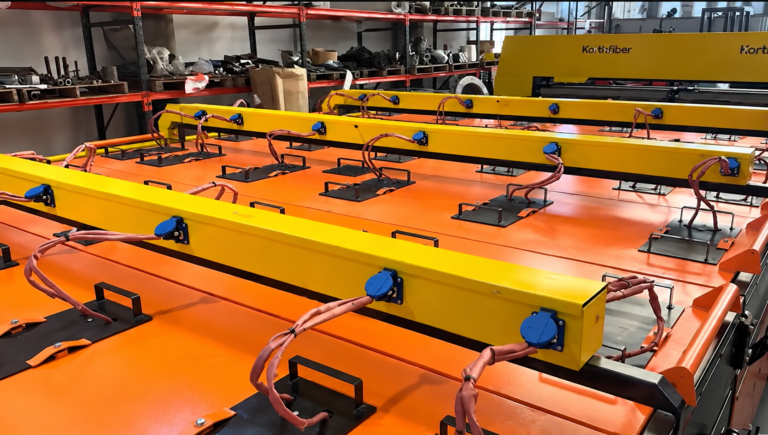
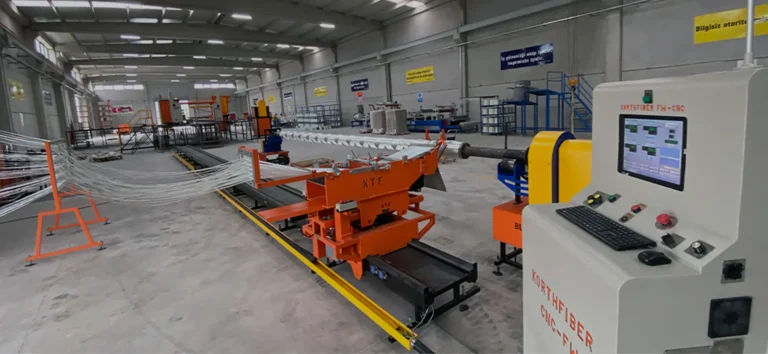
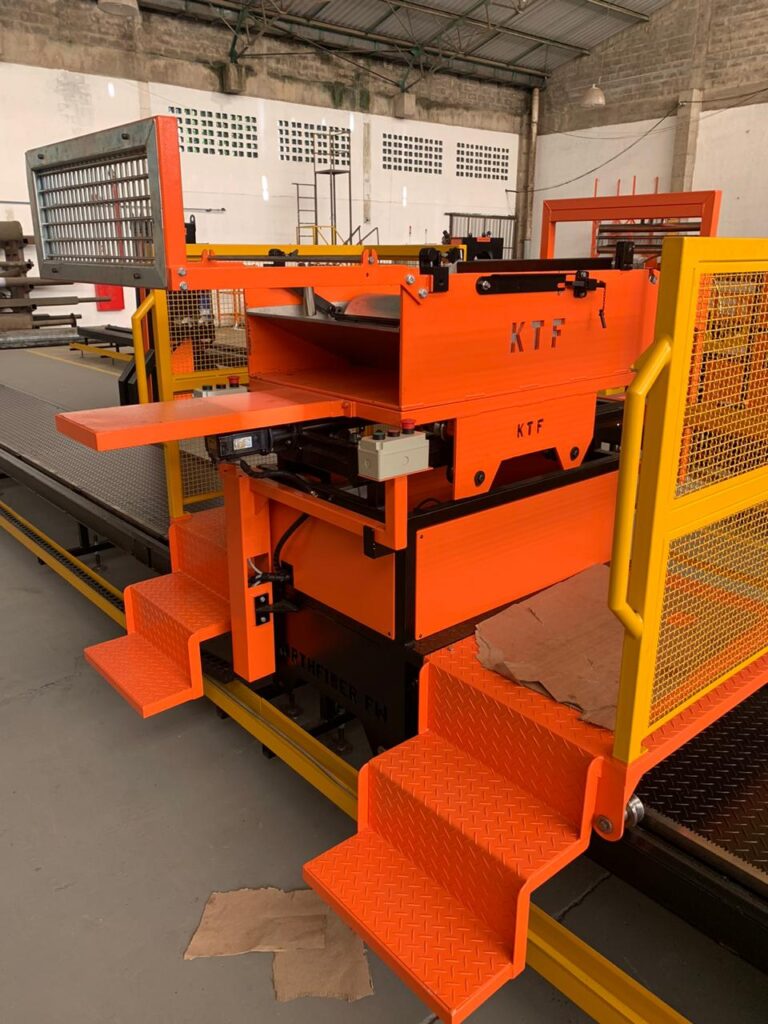
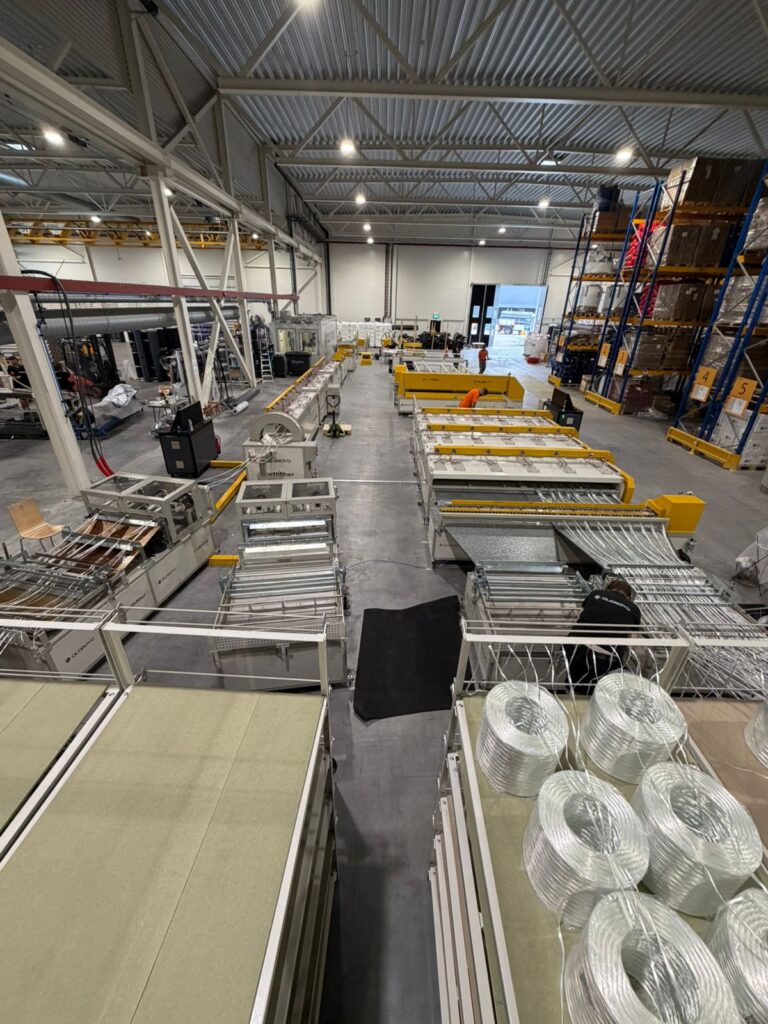
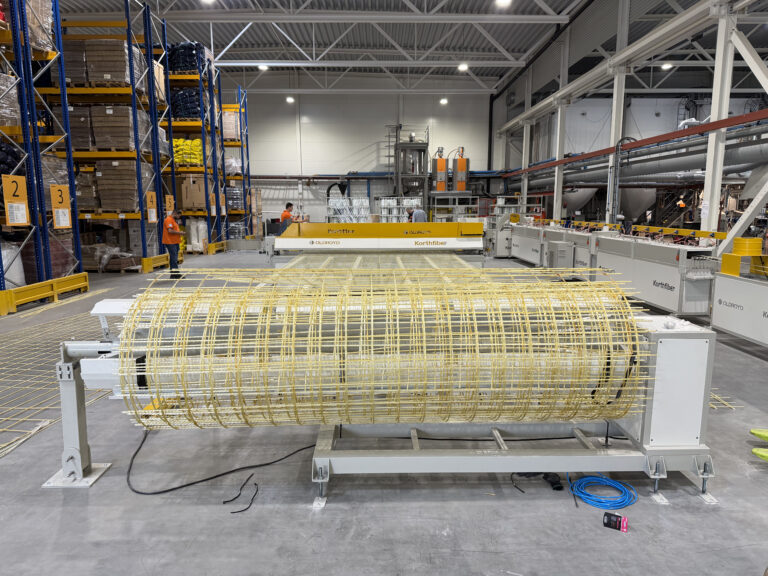
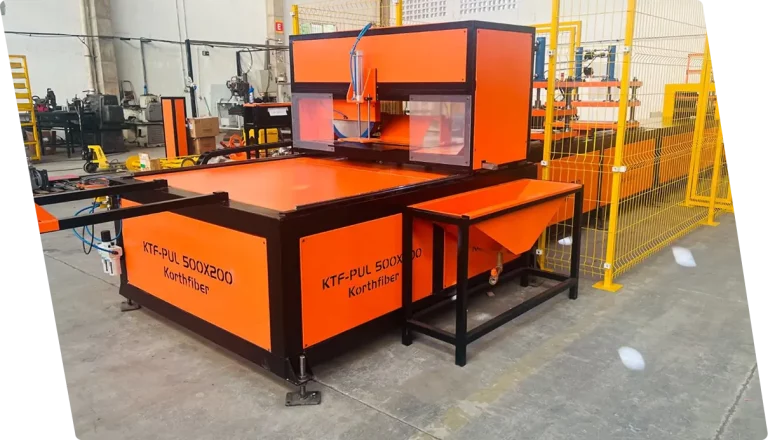
Each application has its own technical requirements—basis weight, mesh size, alkali resistance, stiffness—that the production line must be able to meet. The product’s versatility begins with the versatility of the equipment that manufactures it.
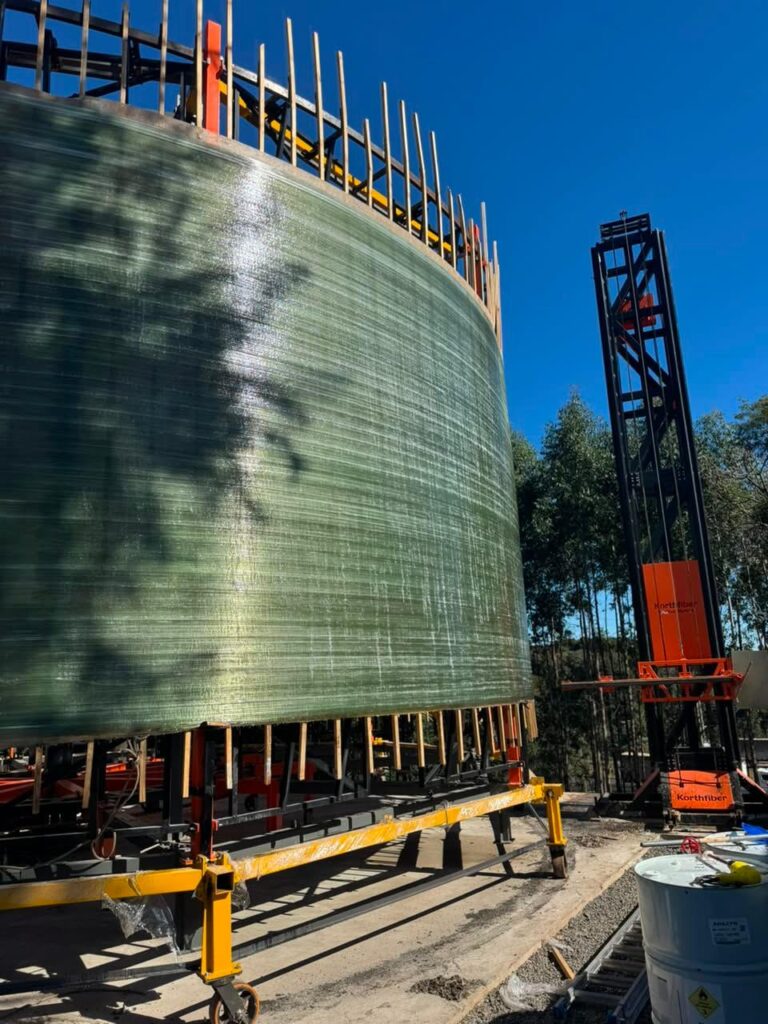
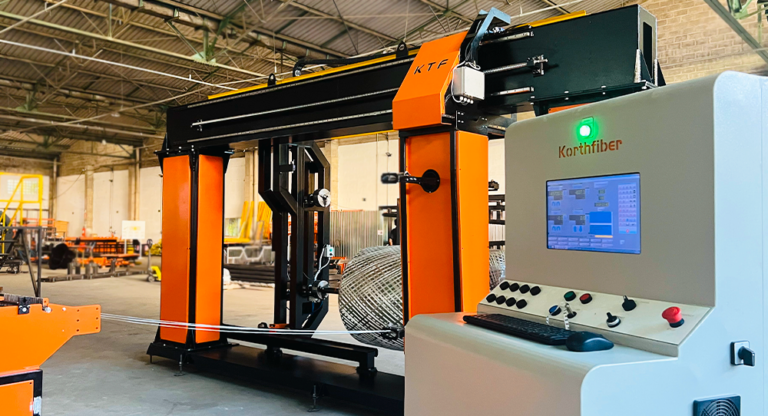
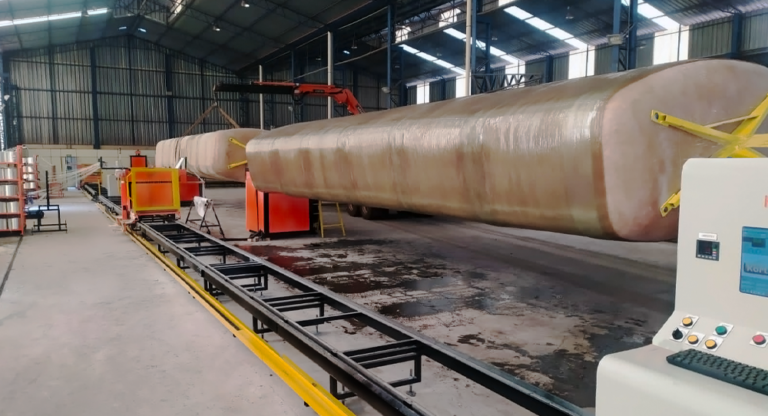
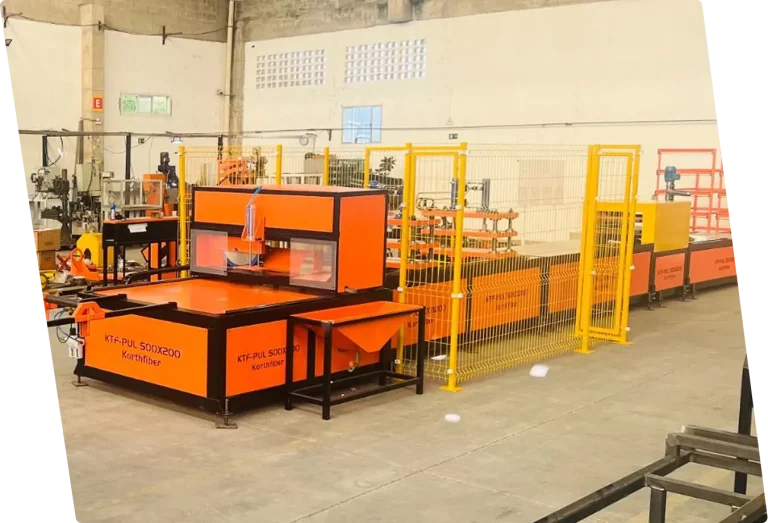
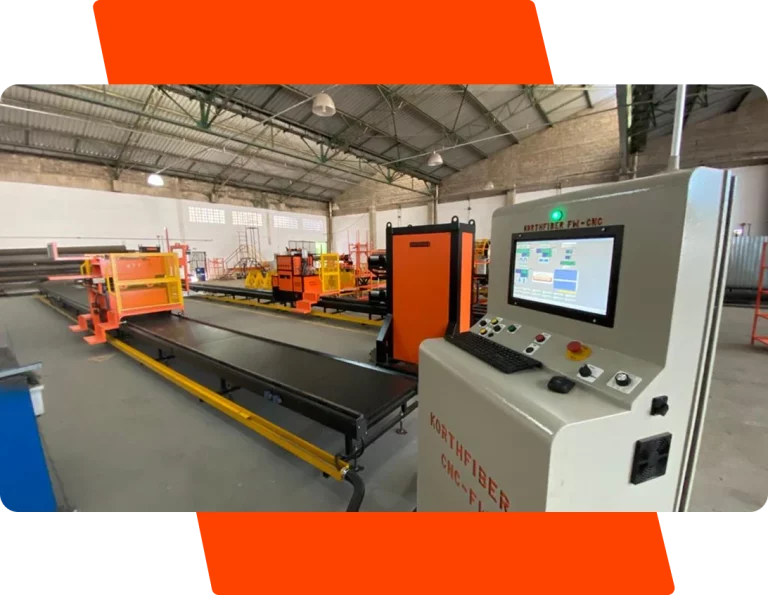
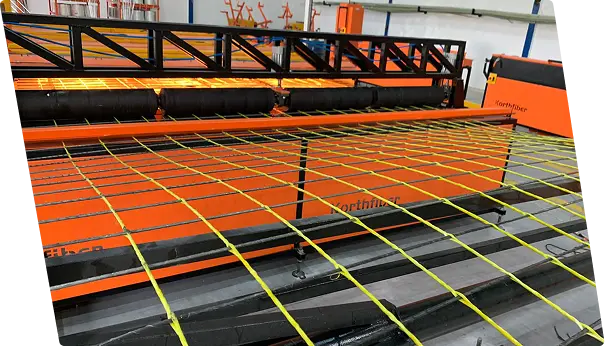
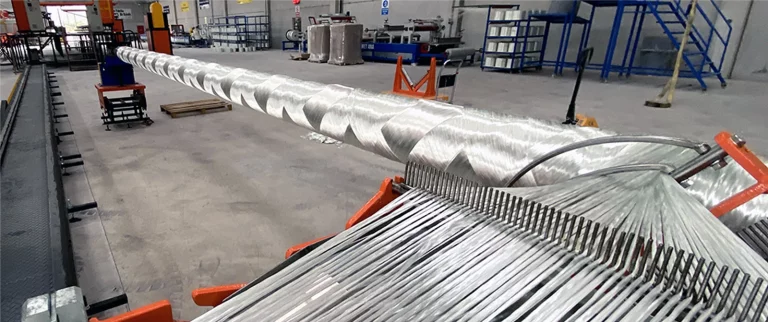
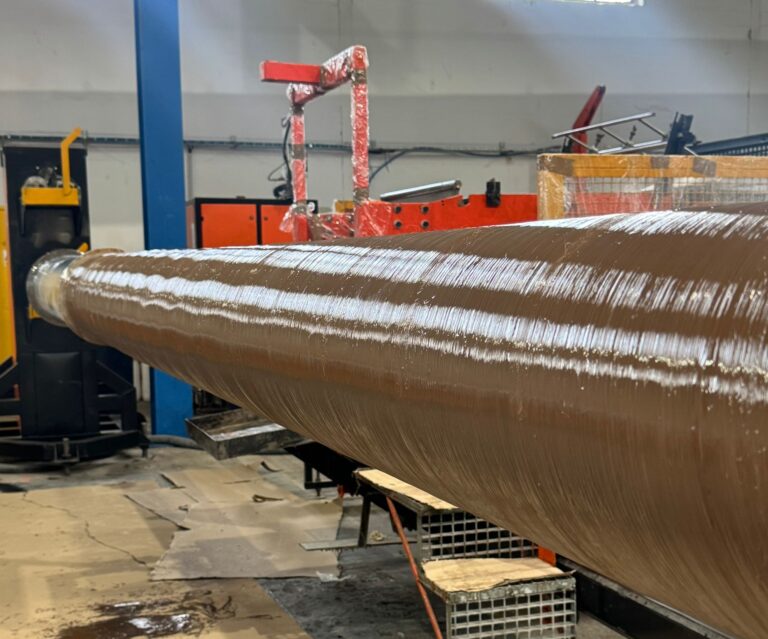
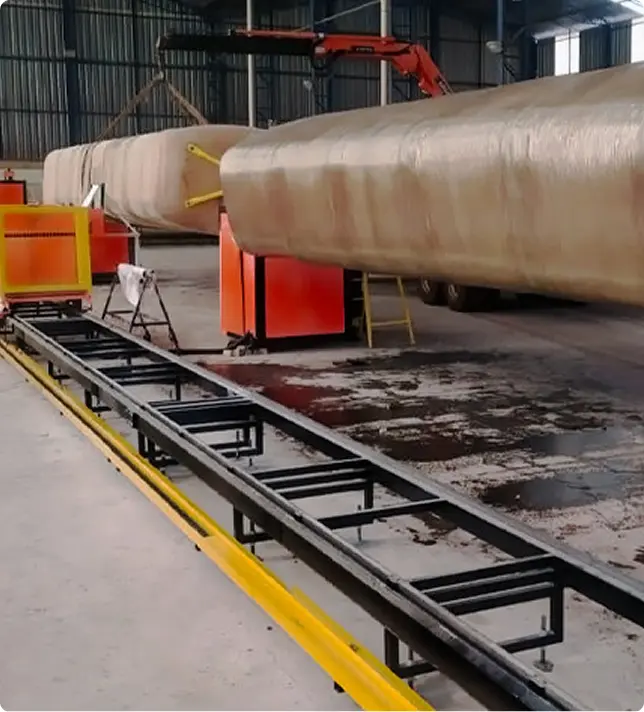
Korthfiber designs and supplies machines for the production of fabrics and knits Industrial-scale GFRP, with the flexibility to meet the different technical specifications required by each application—from geogrids for paving to mesh for facade systems. Contact the Korthfiber team to learn how this versatility translates into market opportunities for your business.