
The construction industry is undergoing a period of technological transformation. The quest for more durable, resilient, and sustainable structures has accelerated the use of innovative materials as alternatives to conventional steel.
Among these solutions, the POP fiberglass mesh It has been gaining prominence in modern structural projects. Its corrosion resistance, light weight, and high durability make it a strategic choice for projects that require superior performance and lower maintenance needs.
This step forward is part of a larger shift: the incorporation of composite materials in civil engineering. They are redefining the way floors, pavements, precast elements, and structures exposed to harsh environments are designed and constructed.
What Is POP Fiberglass Mesh?
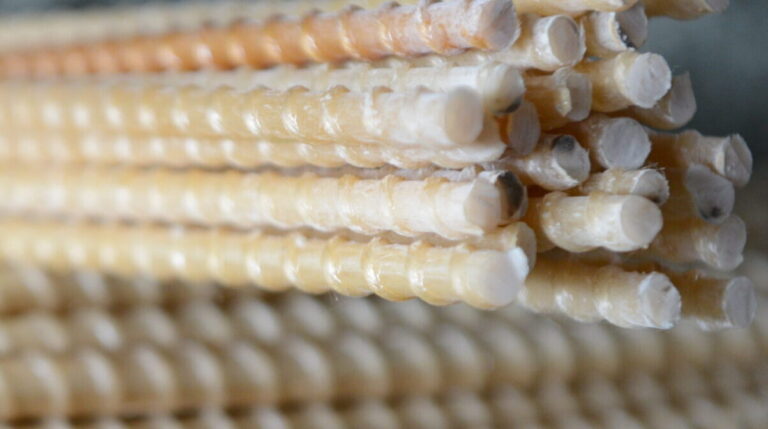
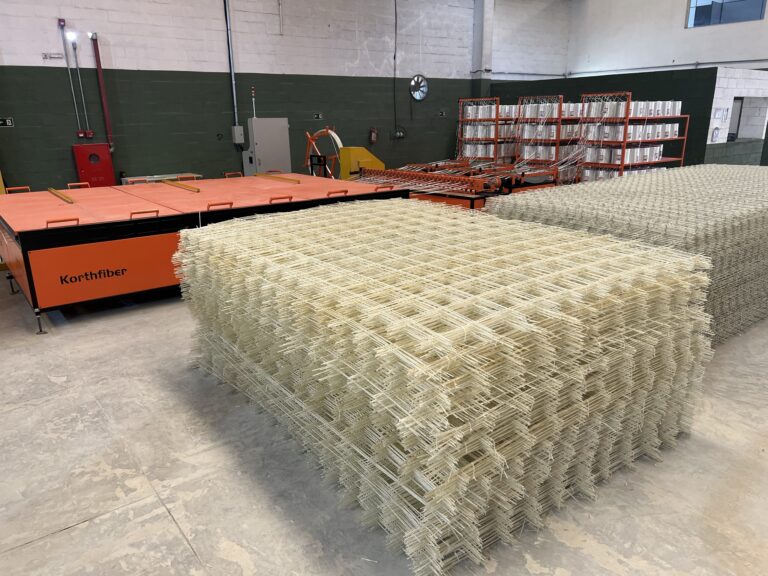
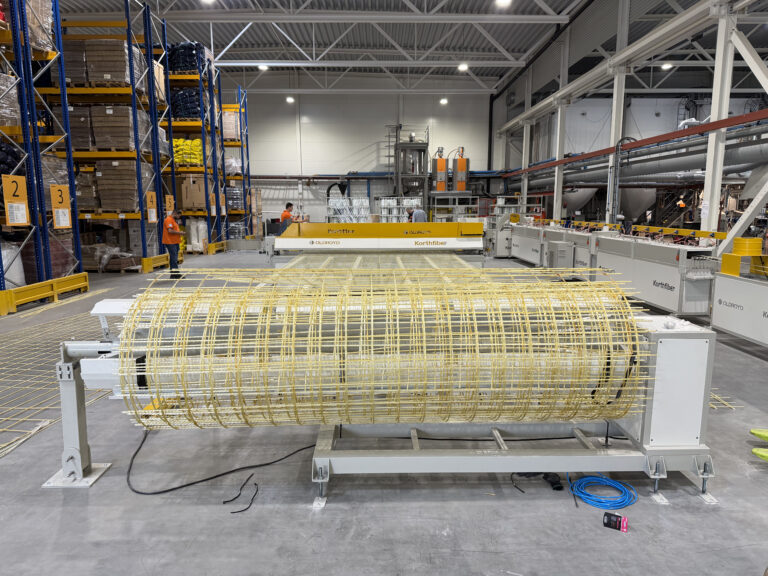
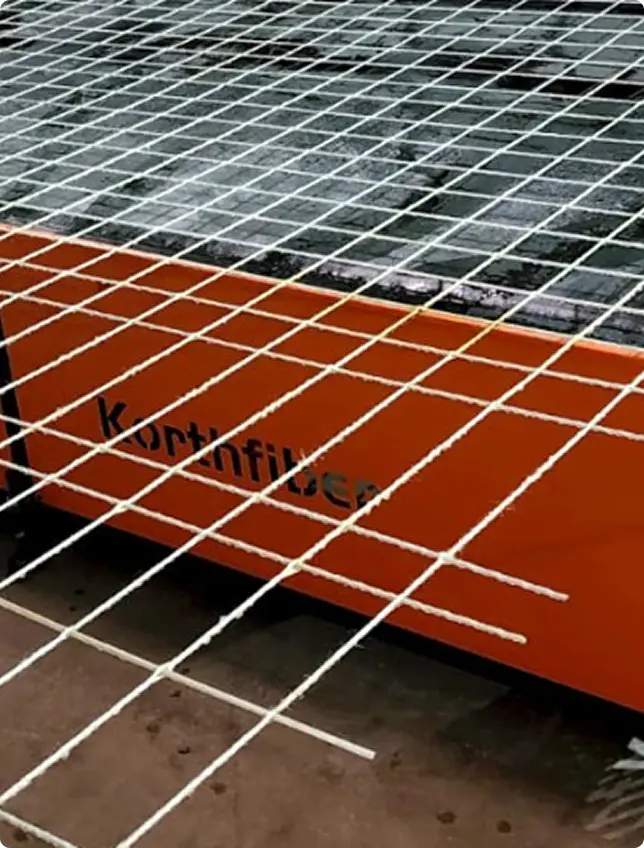
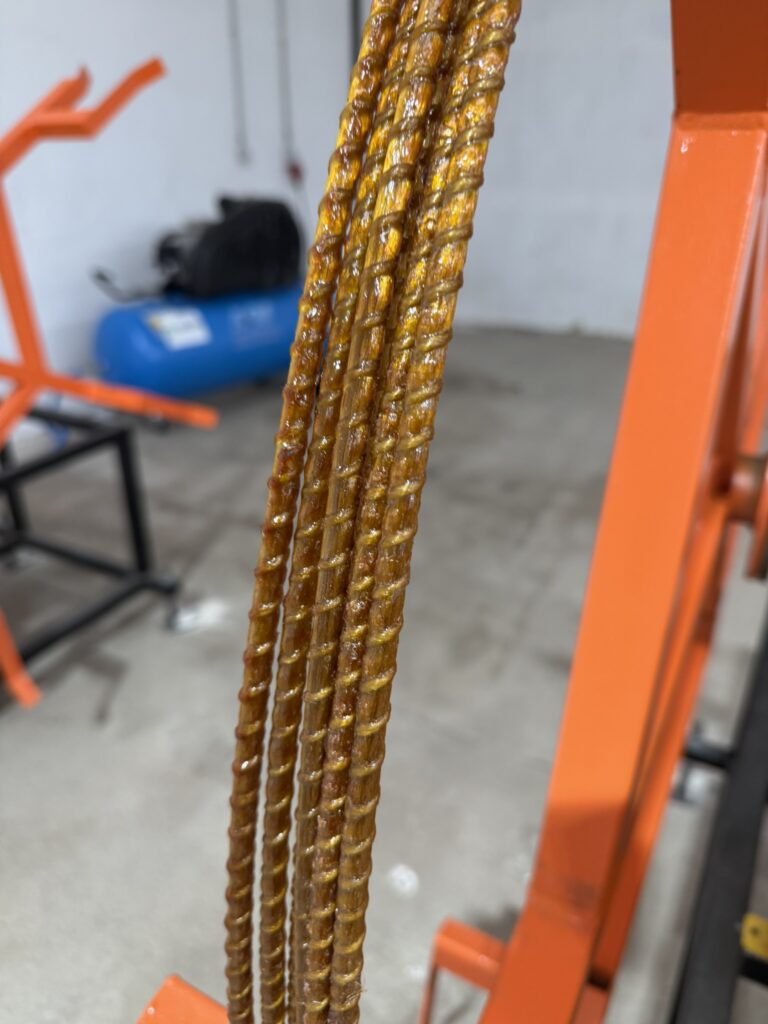
A POP fiberglass mesh It is a structure made of fiberglass-reinforced polymer, known as GFRP. This material was developed to replace the traditional metal mesh used in structural reinforcement.
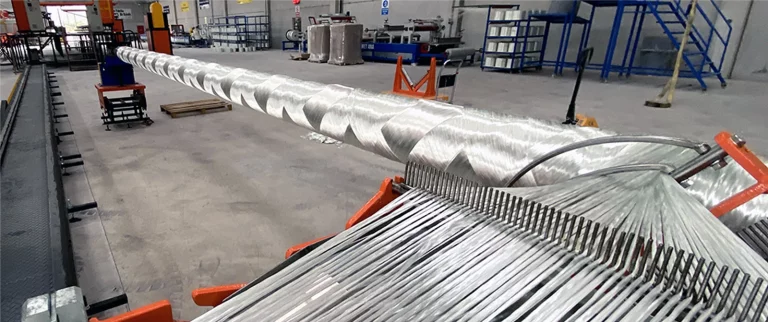
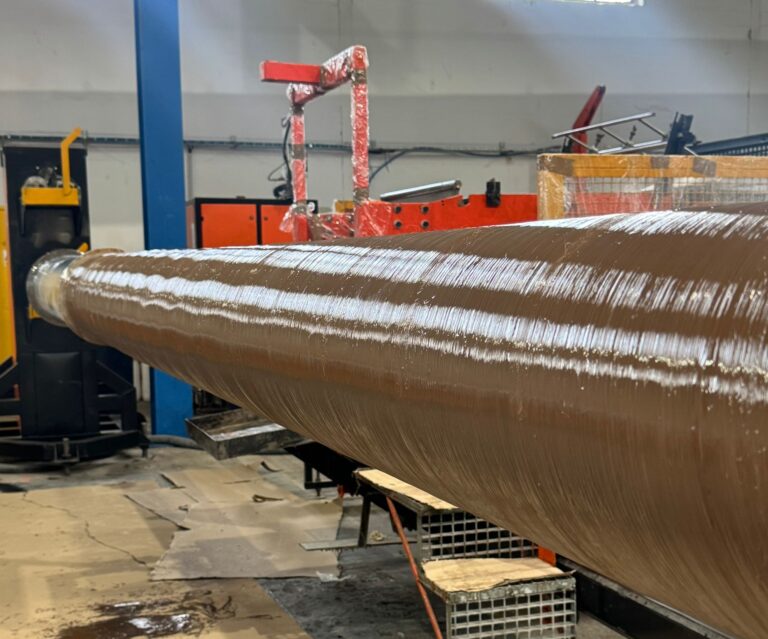
They are manufactured using high-precision industrial processes, which ensure dimensional consistency, consistent mechanical performance, and greater reliability in construction applications.
GFRP POP mesh can be used in various types of projects, such as:
- industrial floors;
- paving;
- precast structures;
- marine construction;
- urban infrastructure;
- structures exposed to corrosion.
Why Is Steel Losing Ground?
For decades, steel has been the primary material used in structural reinforcement. However, in harsh environments, its limitations are becoming increasingly apparent.
A steel corrosion It is one of the greatest challenges of modern engineering. When exposed to moisture, sea air, chemicals, or constant contact with water, the material undergoes progressive deterioration.
This process can shorten the structure's service life, increase maintenance costs, and lead to frequent corrective actions.
It is in this context that fiberglass emerges as an efficient solution. Because it does not rust, GFRP offers greater stability in harsh environments and significantly reduces corrosion-related problems.
Key Advantages of POP Fiberglass Mesh
The use of fiberglass POP mesh offers technical, operational, and economic benefits for various types of construction projects.
Corrosion resistance
Corrosion resistance is one of the greatest advantages of GFRP. Unlike steel, fiberglass does not rust, even when exposed to harsh environments.
This helps reduce:
- maintenance costs;
- recurring structural repairs;
- premature deterioration;
- loss of performance over time.
Structural Lightness
Fiberglass mesh is significantly lighter than conventional metal mesh.
This lightweight design makes it easier to transport, store, and install on the construction site, increasing team productivity and reducing operational effort.
High durability
GFRP-reinforced structures can have a long service life, especially in locations exposed to moisture, sea air, or chemicals.
With less degradation over time, the material contributes to more reliable and cost-effective construction projects throughout the structure's life cycle.
Electrical insulation
Fiberglass does not conduct electricity, which makes POP GFRP mesh an attractive alternative for specific applications in infrastructure, energy, and areas sensitive to electrical conductivity.
Sustainability
The material’s durability also yields environmental benefits. The less maintenance, replacement, and repair are required, the lower the consumption of resources tends to be over the structure’s service life.
Where Can POP GFRP Mesh Be Used?
Fiberglass POP mesh is already being used in various sectors of the construction and infrastructure industries.
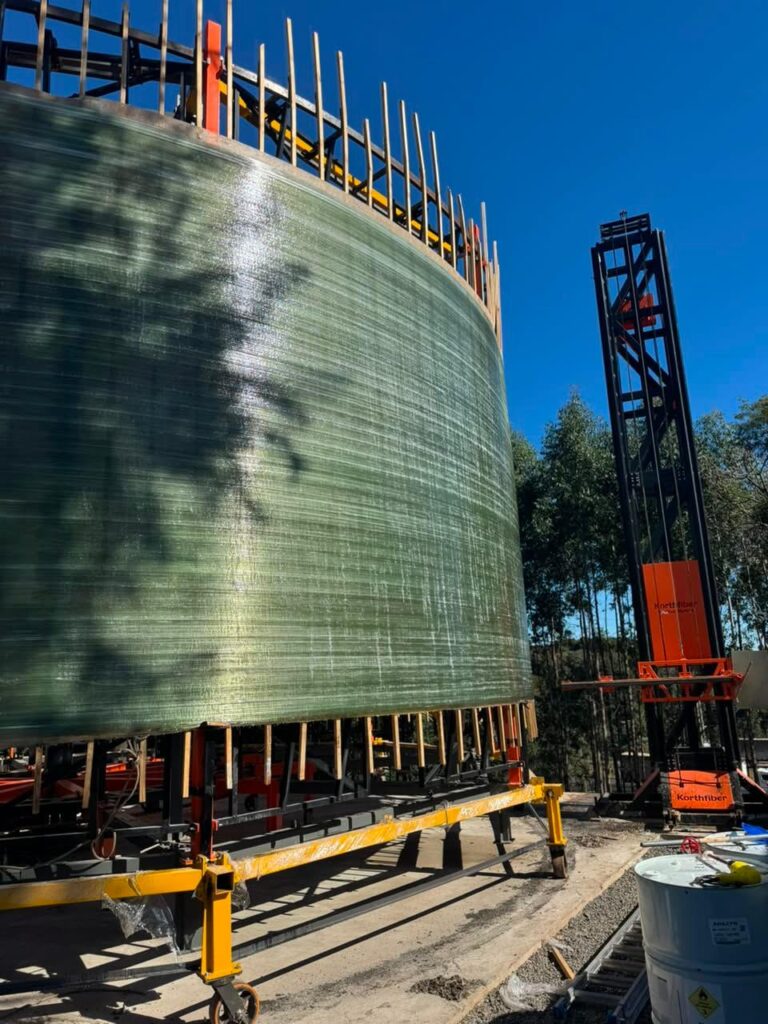
In the construction industry, its applications include slabs, industrial floors, foundations, and precast components.
In infrastructure, the material can be used in urban paving, highway construction, bridges, and structures subject to heavy wear and tear.
In harsh environments, the solution stands out even more, especially in coastal regions, wastewater treatment plants, chemical plants, and construction sites with frequent contact with water or corrosive agents.
Automated Production and Industrial Scalability
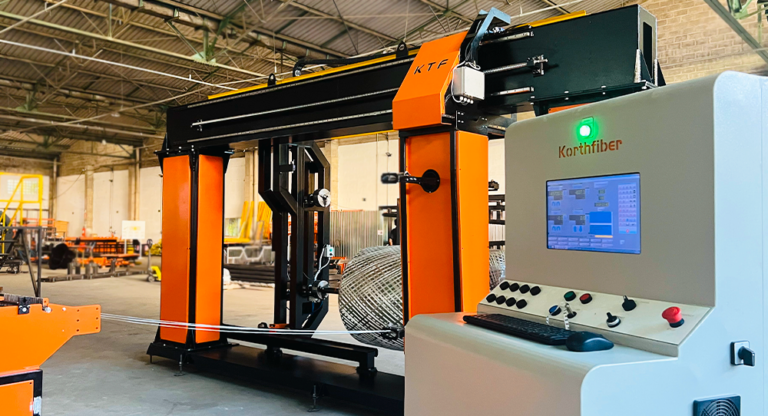
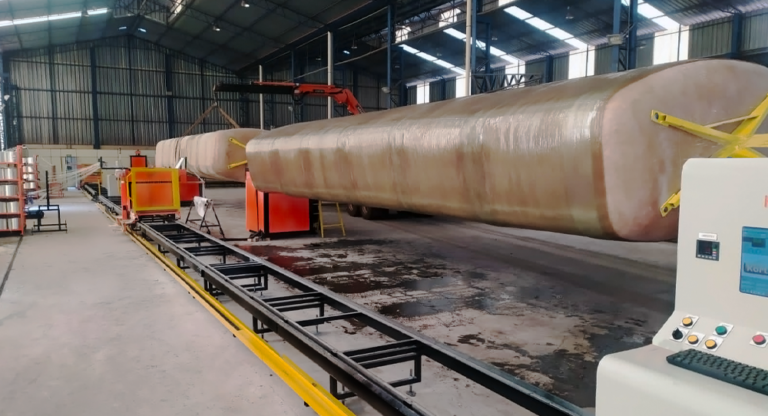
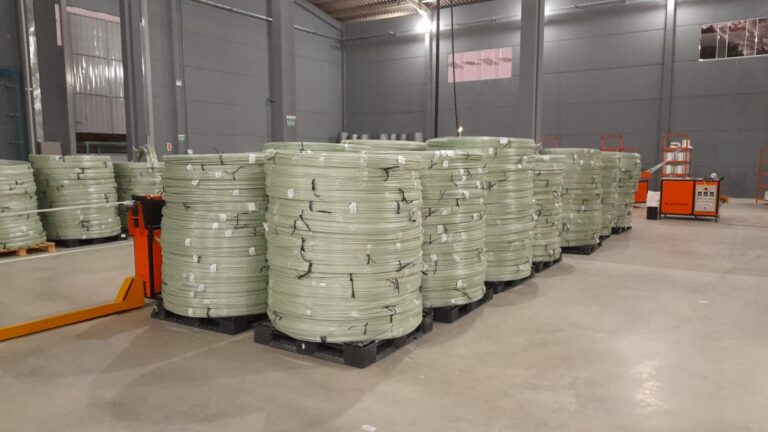
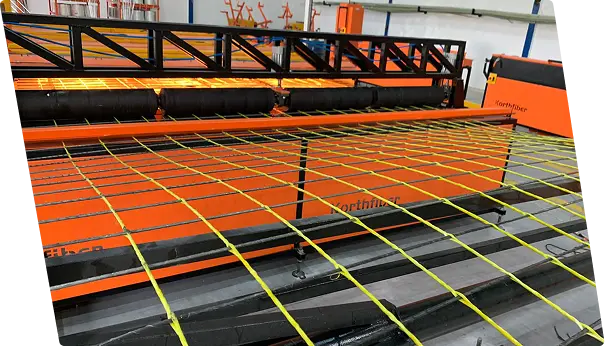
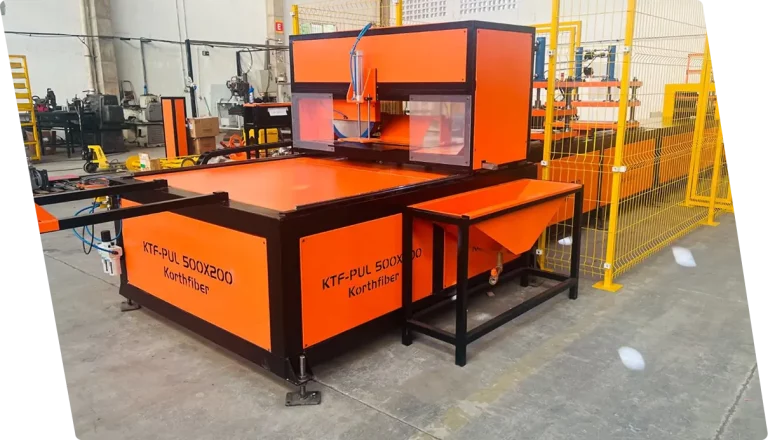
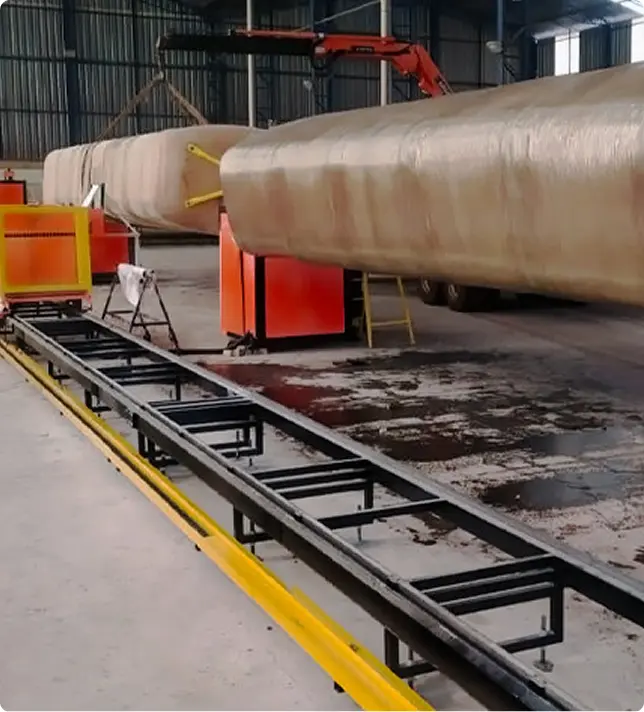
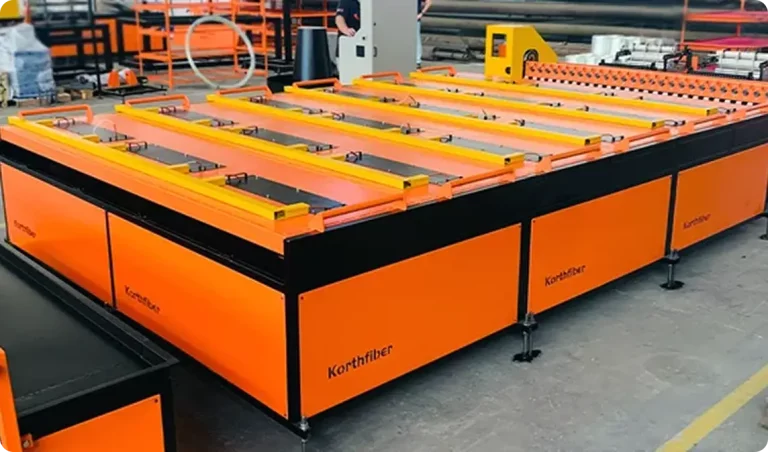
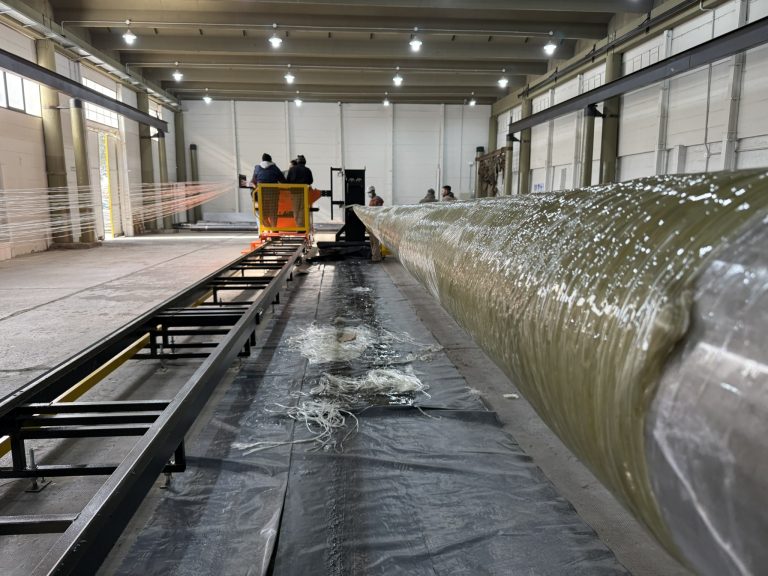
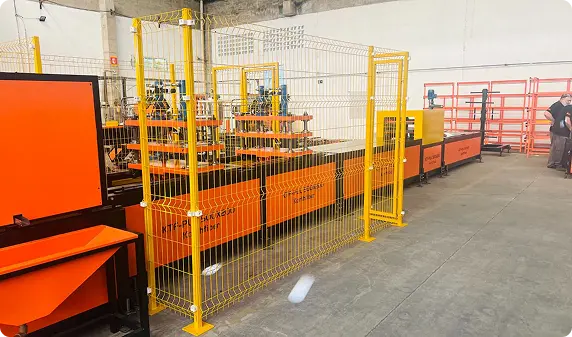
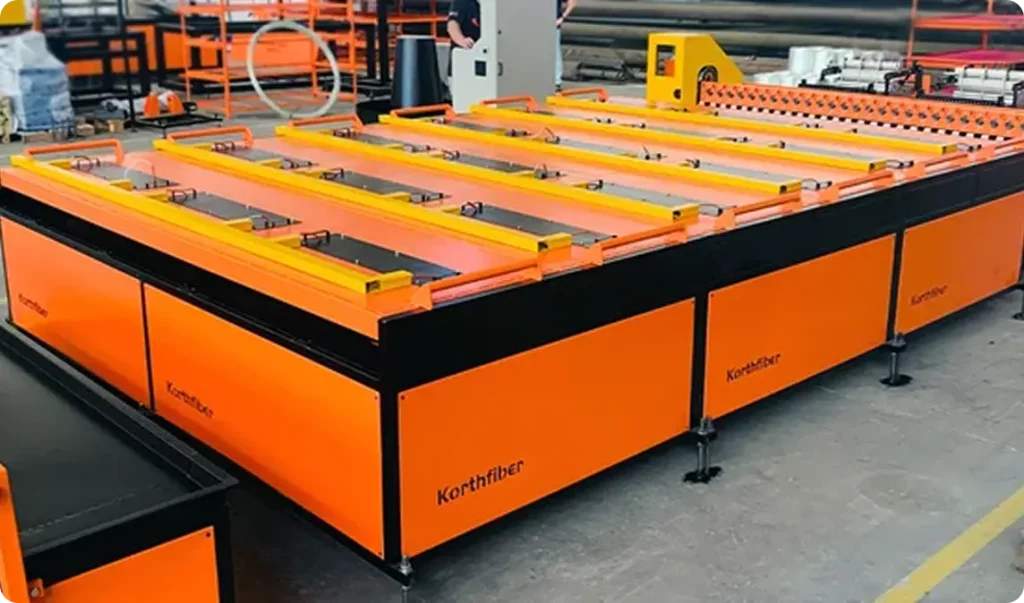
Advances in the composites industry have enabled the development of automated systems for manufacturing structural GFRP meshes.
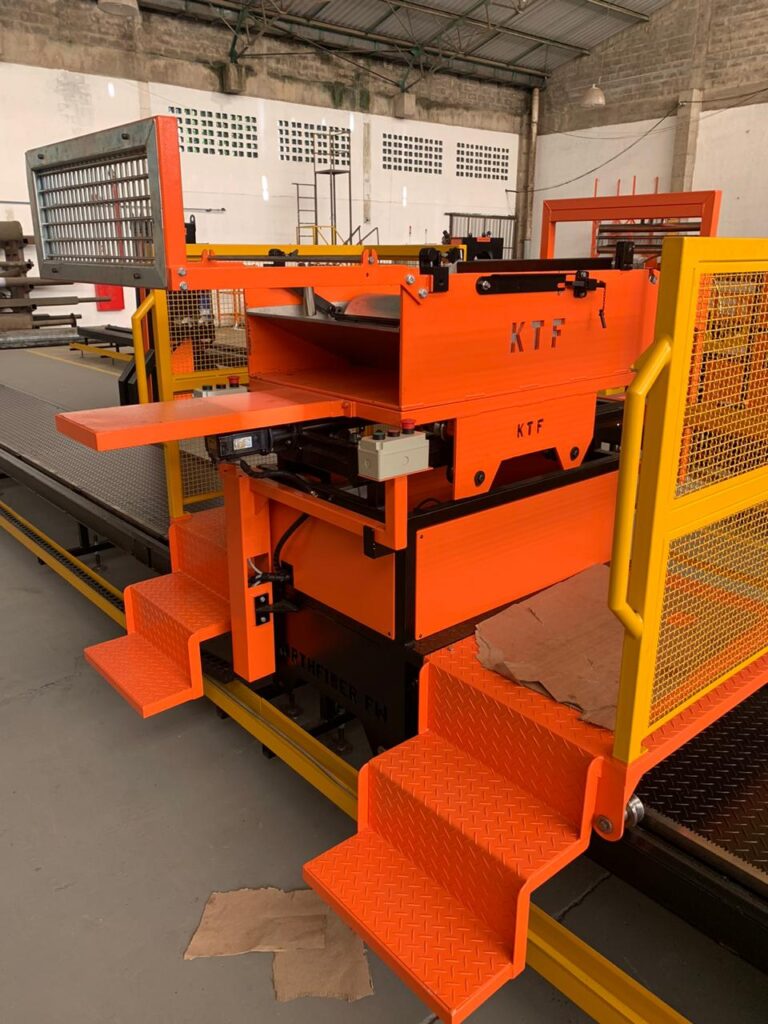
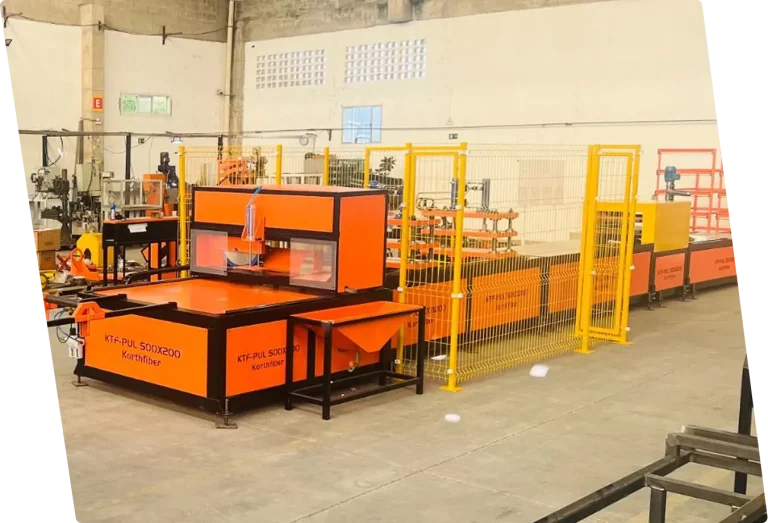
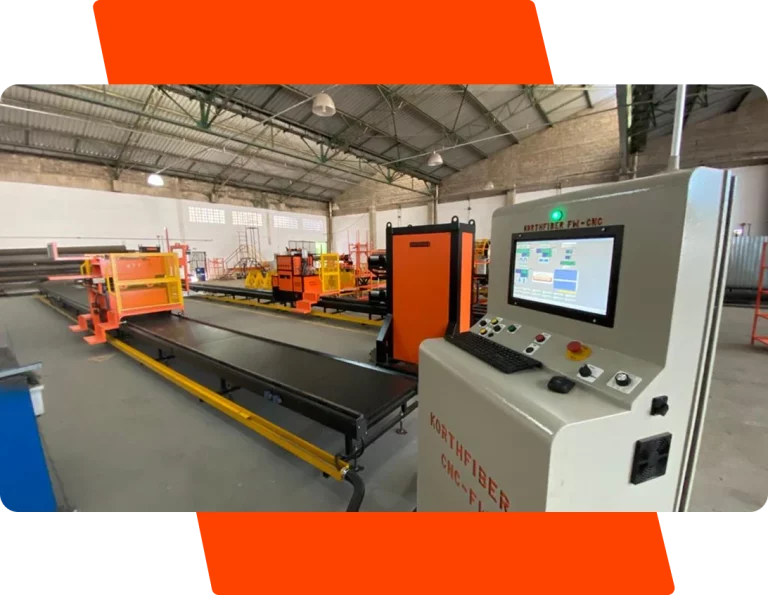
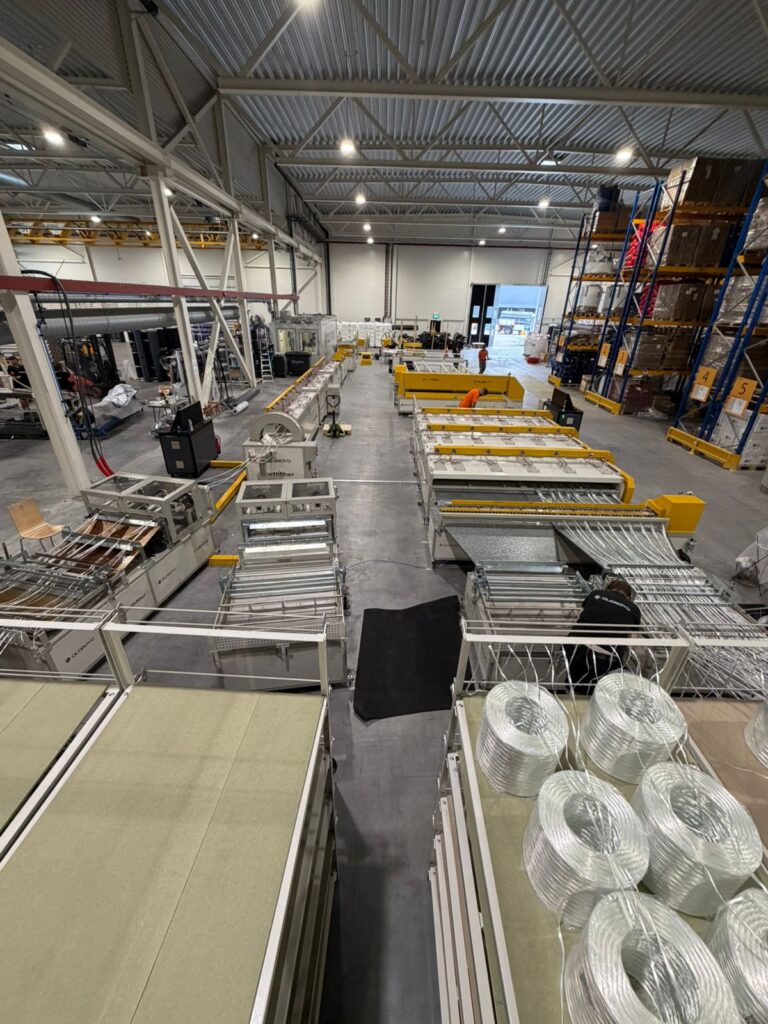
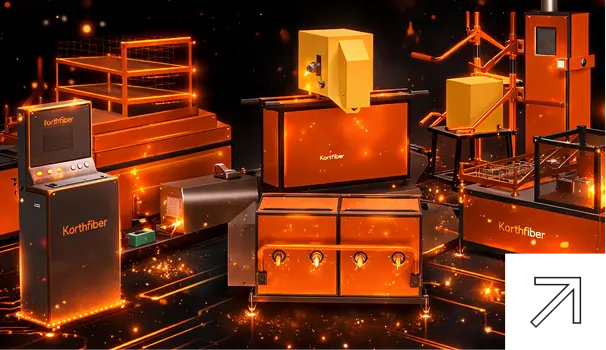
A Korthfiber developed one of the first automated systems in Latin America for the production of fiberglass POP mesh, compatible with industrial standards for 10×10, 15×15, and 20×20 centimeters.
This advancement represents a major leap forward for the industry, as it enables greater productivity, standardization, and scalability in the manufacturing of the material.
The Future of Construction with Composite Materials
The global trend points to an ever-increasing use of composite materials in structural engineering.
As the demand for more efficient, durable, and sustainable structures grows, GFRP solutions are expected to gain ground in projects that require high performance and lower maintenance costs.
In addition, advances in manufacturing technologies and the expansion of technical applications are likely to accelerate the adoption of fiberglass POP mesh in the coming years.
More than just an alternative to steel, GFRP represents a new approach to construction: lighter, corrosion-resistant structures designed for challenging environments.
A POP fiberglass mesh represents a significant advancement in modern construction.
Its combination of strength, lightness, durability, and corrosion resistance transforms the way structures can be designed, built, and maintained over time.
In a market that increasingly demands efficiency, sustainability, and performance, GFRP is establishing itself as a strategic technology for the future of engineering. In line with this trend, GFRP is already establishing itself as a strategic technology for the future of engineering.