
The fiberglass tanks They have gained ground in various industrial operations because they combine important characteristics, such as corrosion resistance, low structural weight, design flexibility, and the ability to be manufactured in large sizes.
This combination is particularly relevant for industries that need to store water, effluents, process solutions, or chemicals that are compatible with the material. In many of these environments, corrosion of metal structures can result in high costs associated with painting, coatings, inspections, repairs, and operational downtime.
However, the performance of a fiberglass tank does not depend solely on its external appearance or the thickness of its walls. It is the result of a combination of design, resin system, chemical barrier, fiber orientation, manufacturing process, curing, installation, and actual operating conditions.
What are fiberglass tanks?
Fiberglass tanks are storage tanks made of a composite material consisting of a combination of fiberglass and a resin matrix. In Brazil, this material is known as FRP — fiberglass-reinforced plastic. Internationally, the acronym GFRP is commonly used.
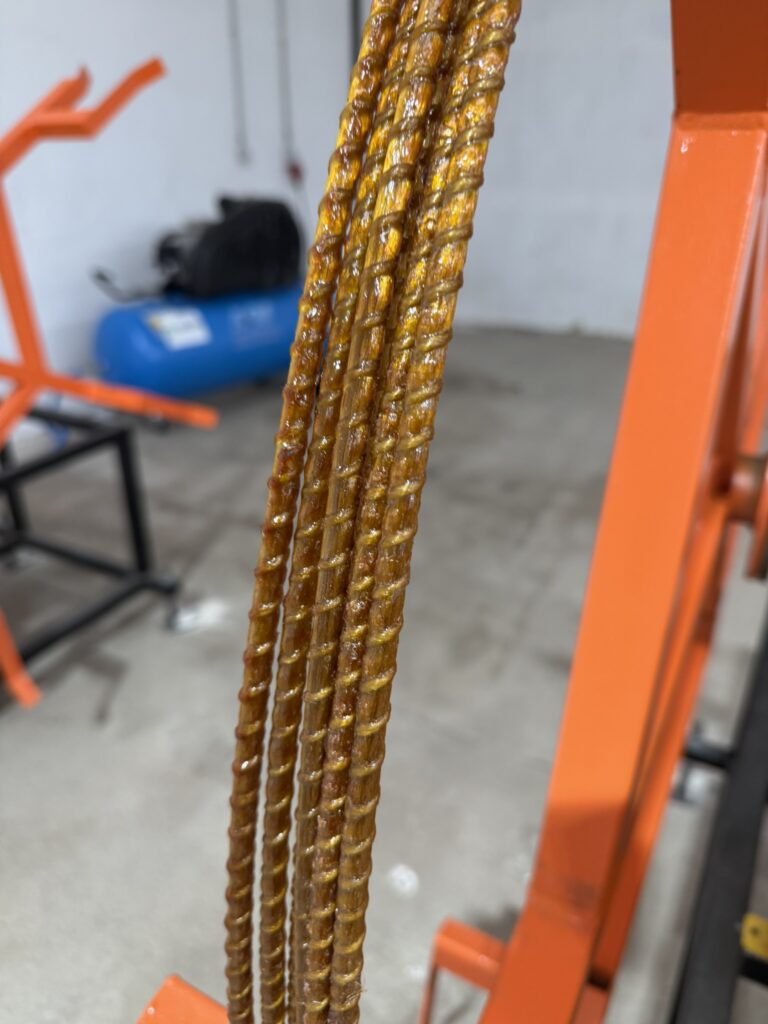
In a composite material, each component has a specific function. The fibers primarily contribute to mechanical performance, while the resin encapsulates, protects, and holds these fibers in the position specified by the design.
This combination makes it possible to develop structures that combine lightness, mechanical strength, and compatibility with various industrial environments. However, the final performance depends on the correct selection of materials and the manufacturing process used.
Are fiberglass and FRP the same thing?
Not exactly. Fiberglass is the reinforcing element. FRP is the complete material, consisting of the fiber combined with the resin and, depending on the application, with roving, mats, fabrics, and other components.
Therefore, simply stating that “fiberglass is chemical-resistant” is an oversimplification. In practice, the tank’s chemical resistance is closely related to the resin system, the internal barrier, the curing process, and the conditions of use.
How is the wall of a FRP tank constructed?
The construction may vary depending on the project, but an industrial tank typically has sections with different functions.
The layer closest to the fluid can act as an internal contact surface. Next, there may be a chemical barrier designed to protect the structural component from the stored medium.
The structural region is designed to withstand forces such as the weight of the liquid, circumferential loads, wind, agitation, pressure, or vacuum, when specified in the design. Finally, the outer surface can be finished and protected in a manner compatible with the installation environment.
In simple terms, the wall may contain:
- Liner or inner surface;
- Chemical barrier;
- Transition layers;
- Structural layers;
- Exterior finish;
- Additional environmental protection, when necessary.
Featured: A fiberglass tank is not a homogeneous part. Its layers can serve different chemical, mechanical, and protective functions.
What shapes can be manufactured?
The flexibility of composite materials makes it possible to produce different configurations, such as:
- Vertical tanks;
- Horizontal tanks;
- Supported tanks;
- Flat-bottomed tanks;
- Tanks with conical bottoms;
- Process tanks;
- Large-capacity tanks;
- Special cylindrical structures;
- Tanks manufactured directly at the installation site.
The geometry should not be chosen based solely on the buyer’s preference. The design must take into account capacity, stored substance, liquid density, temperature, support base, nozzles, agitation, pressure, vacuum, and external loads.
Why are fiberglass tanks chemically resistant?
Chemical resistance is one of the characteristics most commonly associated with FRP tanks. However, this does not mean that any combination of fibers and resin can be used with any substance.
Performance depends on the compatibility between the stored product and the system used in the tank. Concentration, temperature, contact time, and operating conditions can significantly alter the material’s behavior.
What is the function of the resin?
The resin forms the matrix of the composite. It holds the fibers in place, transfers stress between them, and creates a protective barrier against the environment.
Among the systems available on the market are polyester and vinyl ester resins, as well as formulations selected for specific applications. The choice should be based on technical information and compatibility data.
The same substance may require different solutions when its concentration or temperature changes. Therefore, the selection should not be based solely on the trade name of the stored product.
What is the chemical barrier?
The chemical barrier is the inner layer designed to withstand contact with the fluid and reduce its interaction with the structural layer.
Its performance depends on factors such as the materials used, thickness, uniformity, curing, surface finish, and manufacturing quality. Defects in this area can compromise the tank even when the structural component appears to be adequate.
The barrier must be integrated into the rest of the structure. It is not enough to simply apply an internal coating without considering its adhesion, its compatibility with the structural resin, and the operating conditions.
Are FRP tanks resistant to any chemical?
No. FRP tanks are not automatically resistant to every chemical. Compatibility must take into account the substance, concentration, temperature, pressure, exposure time, resin system, and the design of the internal barrier.
This precaution helps avoid two common mistakes: choosing a material that is unsuitable for the job or specifying an overly complex and expensive solution for a simple application.
Information needed to assess compatibility
| Factor | Why it needs to be analyzed |
|---|---|
| Stored substance | Determines the type of chemical resistance required |
| Concentration | It can alter the intensity of the chemical reaction |
| Temperature | It affects the resin's behavior and durability |
| Density | It affects the hydrostatic loads on the tank |
| Pressure or vacuum | Generates specific structural stresses |
| Commotion | It can generate dynamic loads and vibrations |
| Exposure time | Distinguish between temporary and continuous-service contacts |
| Outdoor environment | Wind, sun, humidity, and the industrial environment affect the project |
| Expected service life | Specifies materials, thicknesses, and the inspection plan |
| Applicable standard | Defines the project's technical and documentation requirements |
The choice of FRP should be based on the full operating conditions, not just the tank's volume.
Durability, Maintenance, and Industrial Efficiency
The durability of a fiberglass tank is directly linked to the quality of its design and manufacturing. When the material is suitable for the application and the equipment is operated under the intended conditions, FRP can reduce problems associated with the corrosion of ferrous materials.
This does not mean there is a complete lack of inspection or maintenance. Like any industrial equipment, the tank must be monitored throughout its operational life.
Why doesn't fiberglass-reinforced plastic (FRP) rust like steel?
Rust is a process associated with the oxidation of ferrous materials. Since FRP is not a ferrous metal, it does not undergo this same process.
However, it may suffer other types of degradation when exposed to incompatible substances, excessive temperatures, radiation, impacts, unforeseen stresses, or manufacturing defects.
The most accurate statement, therefore, is that FRP provides corrosion resistance in applications for which it has been properly specified, and not that it's indestructible.
What determines the service life of a tank?
There is no single service life that applies to all tanks. Durability depends on a number of factors:
- Chemical compatibility;
- Operating temperature;
- Structural design;
- Resin selection;
- Fiber quality;
- Layer thickness;
- Manufacturing process;
- Degree of cure;
- Establishment and support;
- Installation;
- Environmental exposure;
- Periodic inspection;
- Preventive maintenance;
- Compliance with design specifications.
A seemingly simple change in the process—such as increasing the temperature or altering the concentration of the substance—may require a new engineering evaluation.
How does low weight improve efficiency?
Compared to many equivalent metal solutions, FRP can have a lower structural weight. This tends to make transportation, handling, hoisting, and installation easier.
In certain projects, weight reduction can also decrease the loads on foundations, auxiliary structures, and handling equipment. The actual impact must be assessed based on the dimensions and installation location.
For the manufacturer, the tank’s light weight can simplify certain production steps. For the end customer, it can reduce logistical complexity, especially when the tank is manufactured near the site where it will be used.
How do you calculate the total cost of ownership?
The purchase price does not represent the full cost of the equipment. A more comprehensive analysis should take into account:
- Design and manufacturing;
- Transportation;
- Lifting;
- Installation;
- Foundation;
- Anti-corrosion protection;
- Inspections;
- Cleaning;
- Maintenance;
- Repairs;
- Operational shutdowns;
- Replacement;
- Disposal at the end of the product's useful life.
Featured: The equipment that is cheapest to purchase is not necessarily the most cost-effective over the course of its operation.
Fiberglass, steel, stainless steel, or polyethylene tanks?
There is no single material that is universally superior for all projects. FRP, carbon steel, stainless steel, and thermoplastics all have their advantages and limitations.
The selection should be based on chemical compatibility, temperature, pressure, dimensions, standards, desired service life, and maintainability.
| Criterion | FRP | Carbon steel | Stainless steel | Polyethylene |
|---|---|---|---|---|
| Corrosion resistance | High when specified correctly | It may depend on the paint or coating | It varies depending on the alloy and substance | Works well in compatible applications |
| Structural weight | Relatively low | High | High | Bass |
| Customization | Discharge | Discharge | Discharge | More dependent on the production process |
| Large diameters | Possible with the proper process | Possible | Possible, but generally at a higher cost | Limited in certain cases |
| Corrosion protection | It does not use conventional metallic paint | Often necessary | It depends on the service | Usually not necessary |
| Operating temperature | It depends on the resin | It can withstand high temperatures | It can withstand high temperatures | More limited in various applications |
| Repairability | Possible through a specialized procedure | Possible through welding and other methods | Possible using specialized methods | It depends on the material and the technique |
| Logistical complexity | It may be reduced due to low weight or local manufacturing | It can be scaled up to large dimensions | It can be scaled up to large dimensions | Varies depending on size |
When can FRP be advantageous?
This material may be an interesting alternative when the operation involves:
- Corrosive environment;
- Product compatible with the resin;
- Need for a low weight;
- Custom geometry;
- Large diameter;
- Requires less anti-corrosion maintenance;
- Transport restriction on the tank is in place;
- The need to integrate the chemical barrier and the structure.
When might another material be more suitable?
Another material may be preferable when:
- Temperature incompatible with the resin system;
- Pressure or vacuum outside the design capacity;
- Substance with no proven compatibility;
- A specific regulation requiring a different solution;
- Impact risk not addressed;
- Unknown operating conditions;
- Lack of support for composite inspection.
The choice should be based on technical considerations. Simplified commercial comparisons may overlook important safety and durability requirements.
Where are fiberglass industrial tanks used?
Fiberglass tanks are used in various industries. The type of application varies depending on the design and the resin system chosen.
Chemical industry
In this sector, tanks can be used to store compatible solutions, prepare mixtures, support neutralization processes, and integrate with washing or treatment systems.
Chemical resistance is important, but it must be verified for each substance and operating condition.
Sanitation and wastewater treatment
Wastewater treatment plants can use FRP tanks for water, process solutions, treatment chemicals, and certain storage or neutralization stages.
Its light weight and the ability to construct high-capacity structures make this material well-suited for new projects and expansions.
Mining and Fertilizers
Mining and fertilizer production operations involve harsh environments, moisture, chemical solutions, and continuous processes.
In such cases, FRP may be considered for reagents, process water, compatible solutions, and other stages where chemical resistance is required.
Paper and pulp
The pulp and paper industry involves processes that use water, chemicals, and humid environments. Tanks and other equipment made of composite materials can be used when they are compatible with the fluid and the temperature.
Agribusiness
Applications include water, washing solutions, compatible liquid fertilizers, effluents, and other products used in processing.
The specification must take into account the possibility of variations in concentration and composition during operation.
Infrastructure and Major Projects
Large-scale projects may require tanks that cannot be easily transported on conventional highways.
In such cases, modular production or on-site fabrication can reduce logistical challenges and allow for dimensions that would be impractical for a ready-made, shipped tank.
How does filament winding work?
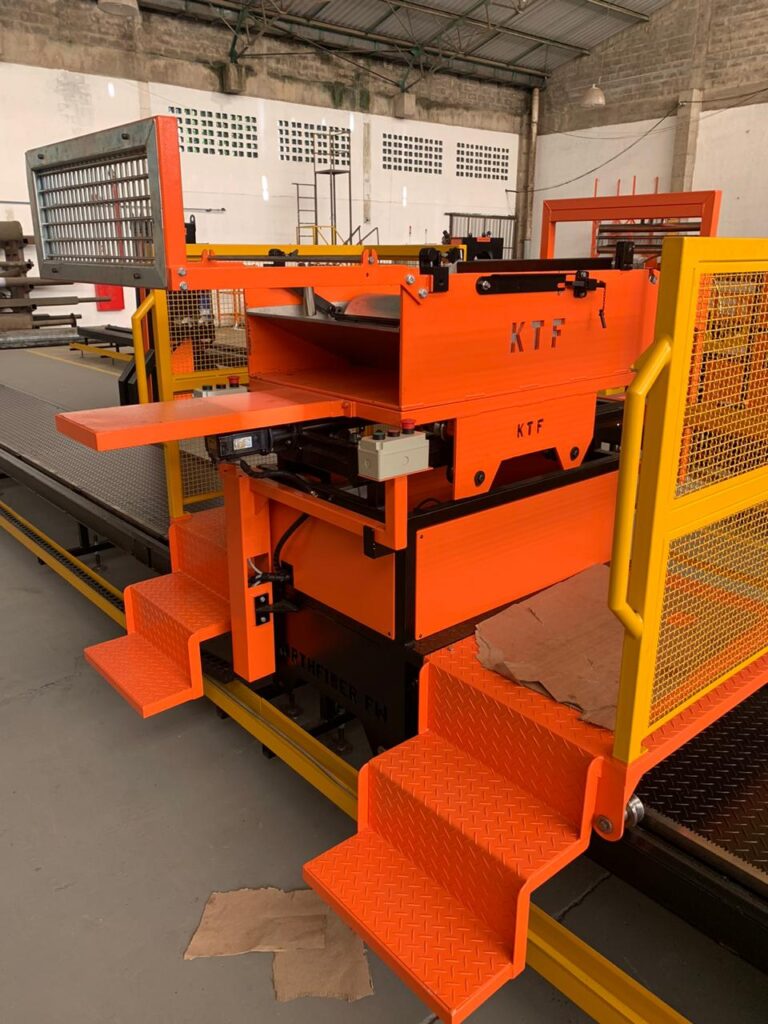
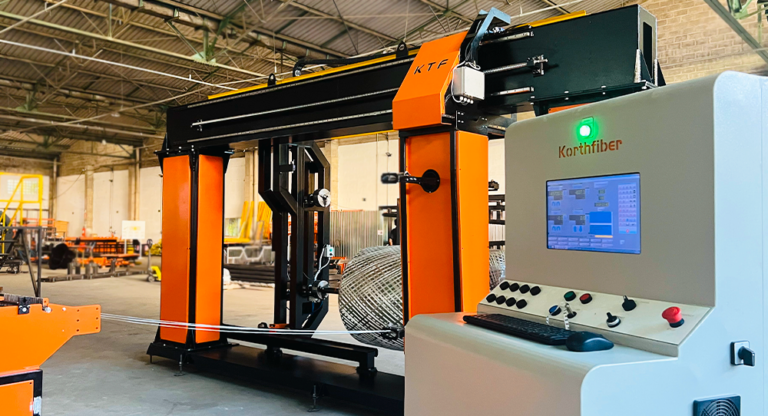
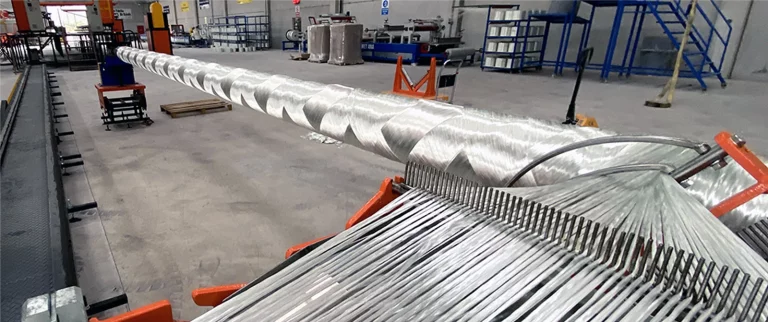
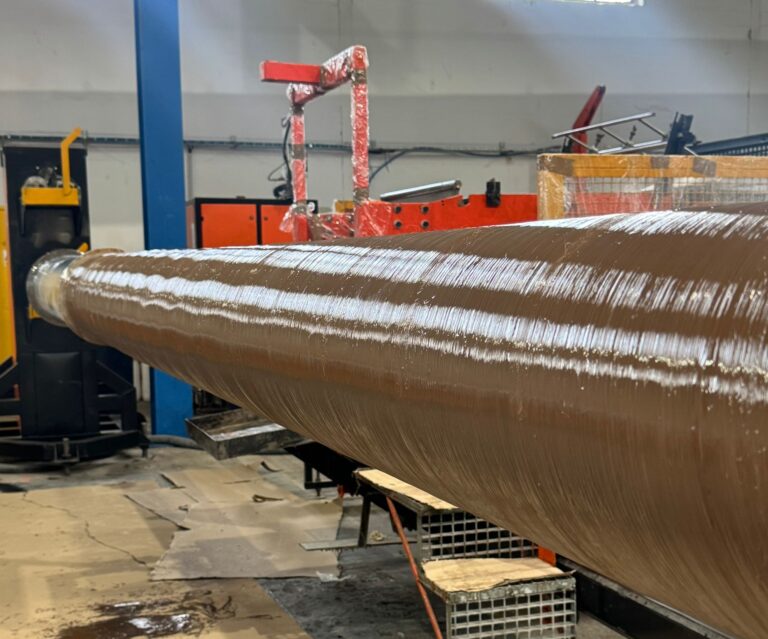
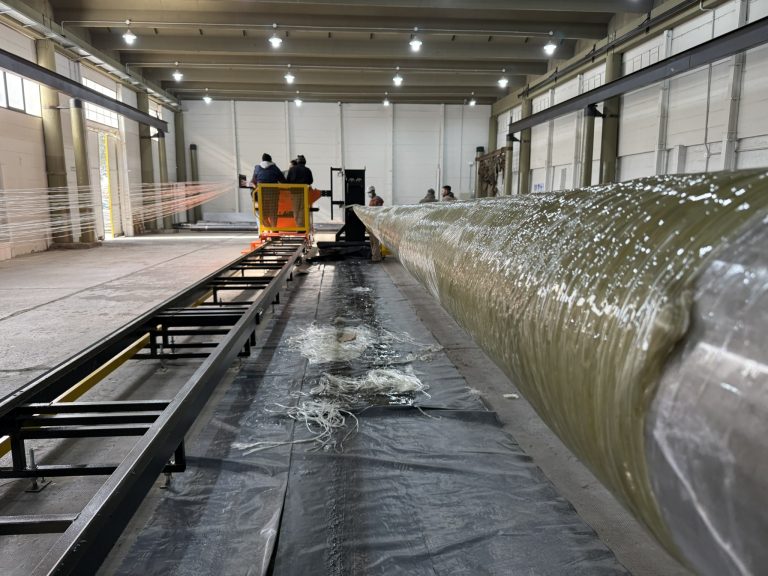
Filament winding, or filament winding, is a process in which continuous fibers are deposited in a controlled manner onto a mandrel. The fibers typically pass through a resin impregnation system before or during the winding process.
The movement between the mandrel and the deposit carriage determines the path of the fibers. This path is programmed to form layers with angles and patterns appropriate for the structure.
Korthfiber presents filament winding as a process designed for circular structures, including tanks, pipes, poles, and pressure vessels.
Key steps in the process
In general, production may involve:
- Preparing the chuck;
- Construction in the inland region;
- Formation of the chemical barrier;
- Feeding the fiber strands;
- Voltage control;
- Resin impregnation;
- Enrollment as per the program;
- Formation of structural layers;
- Curing the composite;
- Releasing or removing the chuck;
- Installation of nozzles and accessories;
- Finish;
- Inspection and testing.
The exact steps vary depending on the product, the equipment, the resin, and the method used by the manufacturer.
Why is the angle of the fibers important?
Fibers are most effective when oriented according to the loads the structure will have to bear.
In a tank, there may be circumferential, longitudinal, and localized stresses. The fiber distribution must account for the weight of the liquid, the geometry, the inlets, agitation, and other anticipated loads.
An improper winding pattern can use too much raw material in areas of low stress while, at the same time, creating weak spots where strength is actually needed.
What does voltage control affect?
The tension of the wires affects the arrangement of the fibers, the compaction of the layers, and the stability of the process.
Irregular voltage can cause misalignment, ripples, inconsistent distribution, and variations in the part's geometry. For this reason, industrial machines must maintain stable parameters throughout the cycle.
How important is the relationship between fiber and resin?
Resin is essential for coating and protecting the fibers, but using too much does not necessarily result in greater strength. Similarly, using too little resin can lead to insufficient impregnation and defects.
The process must ensure an appropriate and repeatable distribution, in accordance with the product specification.
How does CNC contribute to manufacturing?
CNC control allows you to coordinate the machine's movements, speeds, paths, and axes.
Potential benefits include:
- Repeatability between parts;
- Control of the winding pattern;
- Adjusting the angles;
- Reduction in manual adjustments;
- Standardization of the cycle;
- Better speed control;
- Ability to produce programmed geometries;
- Operational scalability.
Automation does not eliminate the need for technical knowledge. Design, programming, materials, preparation, curing, and inspection remain essential.
Internal link comment: Insert the article “Filament Winding: How the Technology Used in the Manufacture of Fiberglass Tanks and Pipes Works” here.
Korthfiber Technology for Tank Manufacturing
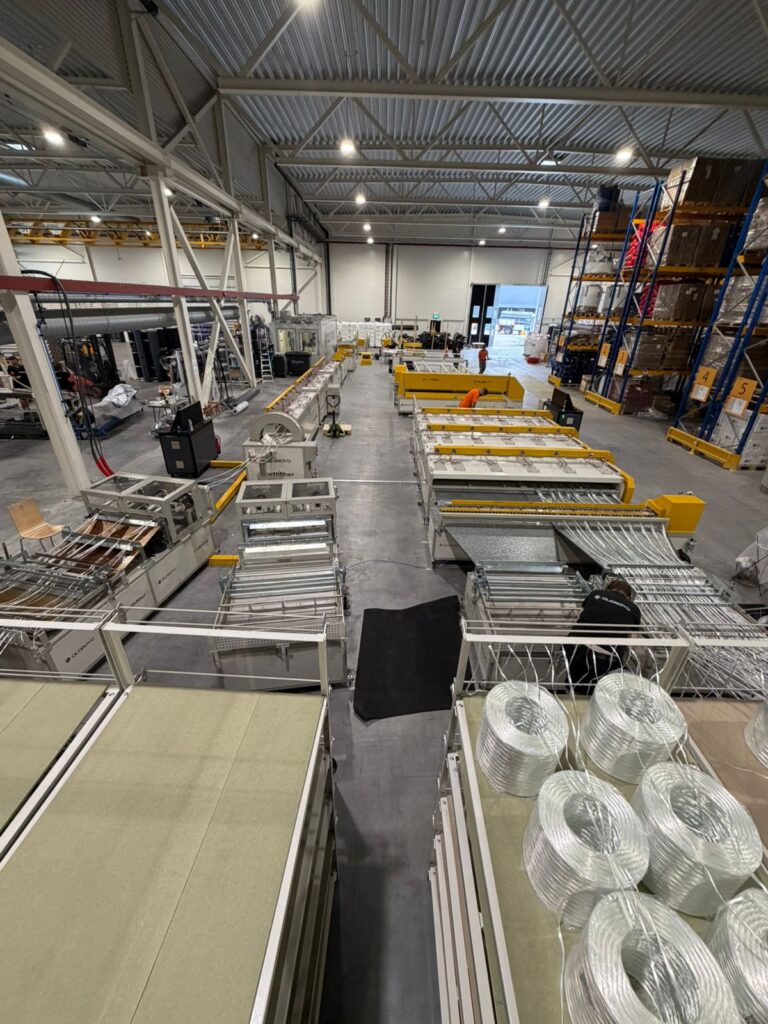
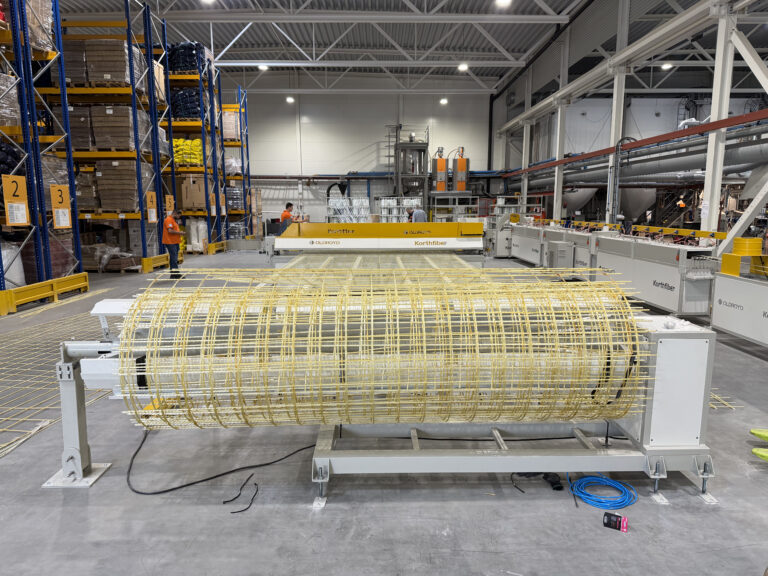
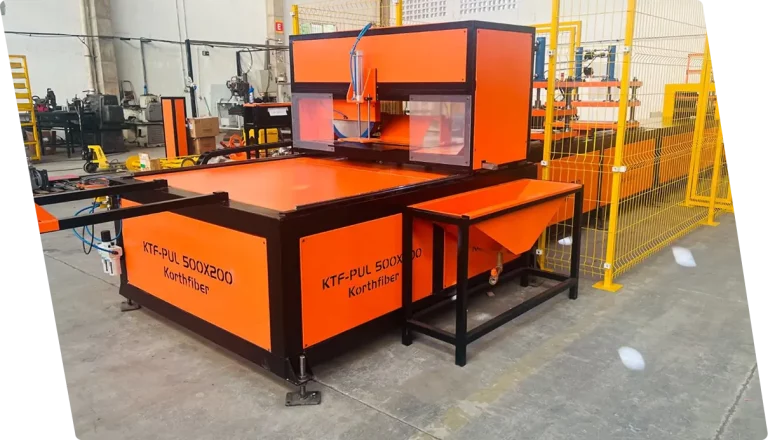
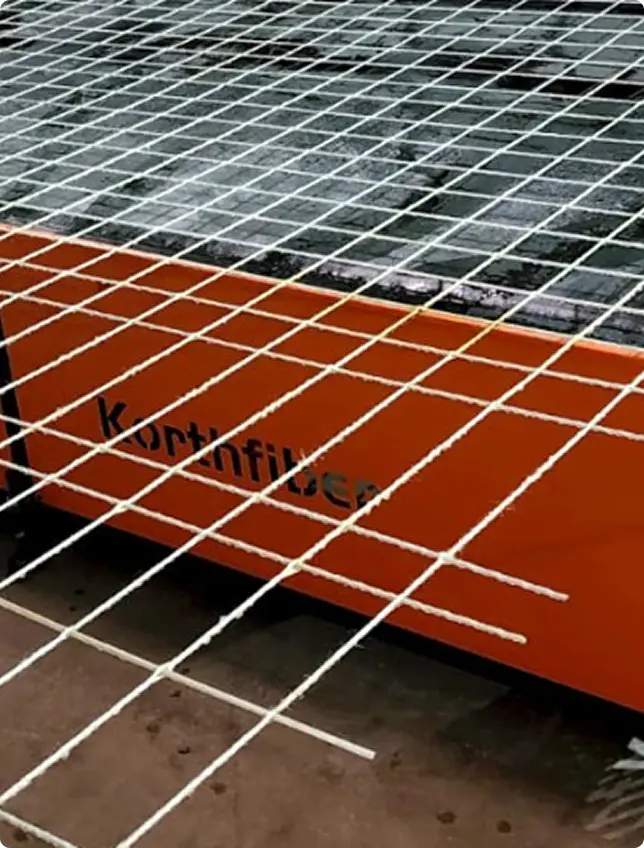
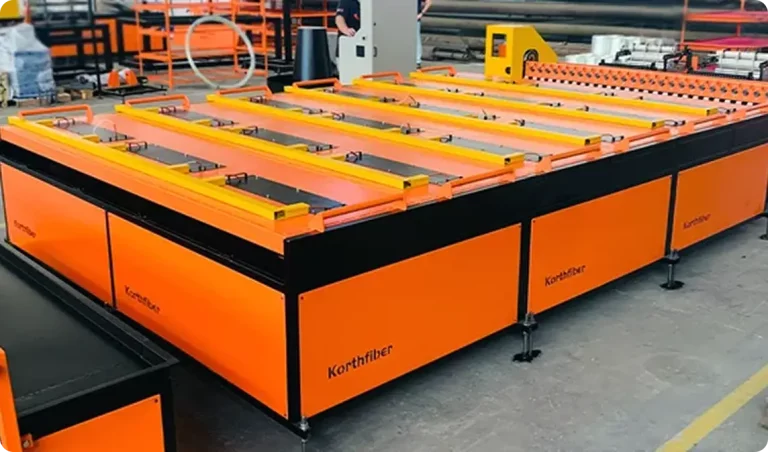
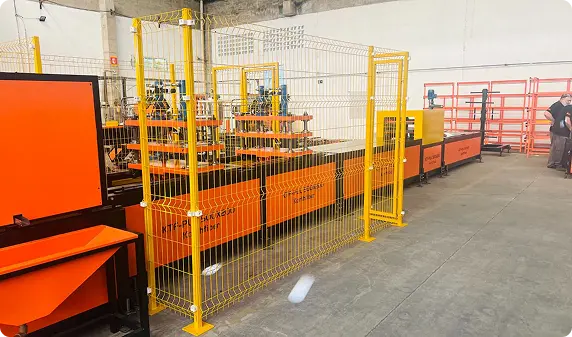
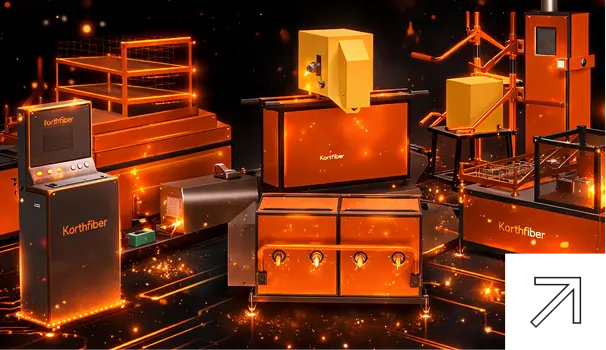
Korthfiber develops filament winding and pultrusion equipment for companies that wish to produce composite parts. In the tank sector, the choice of machine depends primarily on the dimensions, geometry, production capacity, and type of product desired.
This means that Korthfiber acts as a supplier of production technology. Responsibility for the tank design, material selection, manufacturing, and compliance of the final product rests with the organization that will use the equipment and the professionals involved.
BRUTTUS for large tanks and pipes
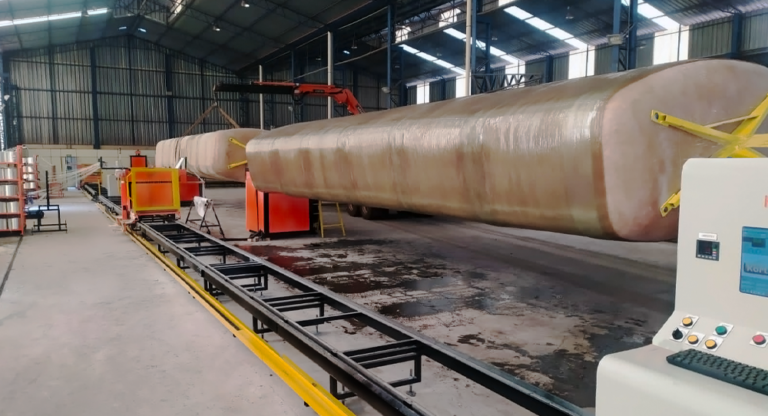
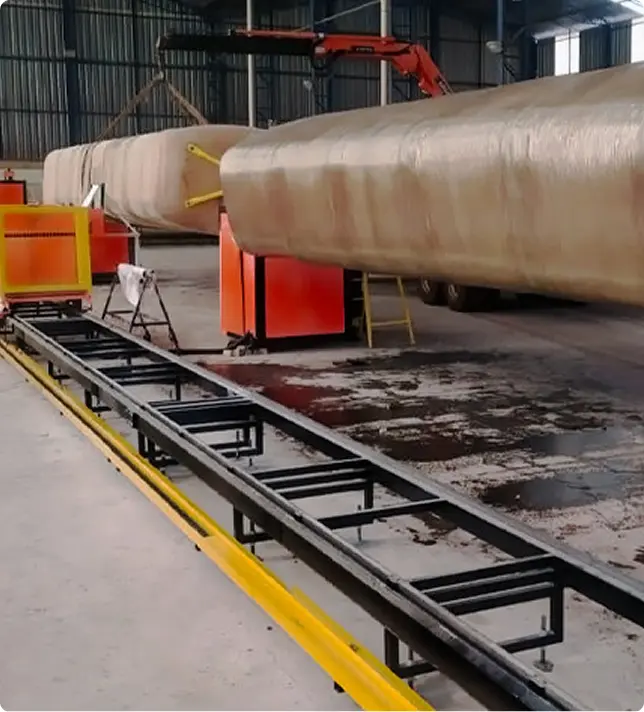
BRUTTUS was developed for the manufacture of large tanks and pipes.
According to the specifications published by Korthfiber, the machine can process workpieces up to 5,000 mm in diameter and 15,000 mm in length, with a rated speed of up to 90 m/min. The solution can be configured with two to four axes and either ASPCOD or CADFIL CNC control.
The modular design allows the equipment to be adapted to production needs. Local or remote control enables adjustments during the process, while the CNC interface helps ensure the repeatability of the toolpaths.
BRUTTUS is particularly relevant for manufacturers looking to produce:
- Industrial tanks;
- Large-diameter pipes;
- Sanitation reservoirs;
- Cylindrical structures;
- Parts for the chemical industry;
- Products designed for industrial storage.
BRUTTUS Vertical for Mega Tanks
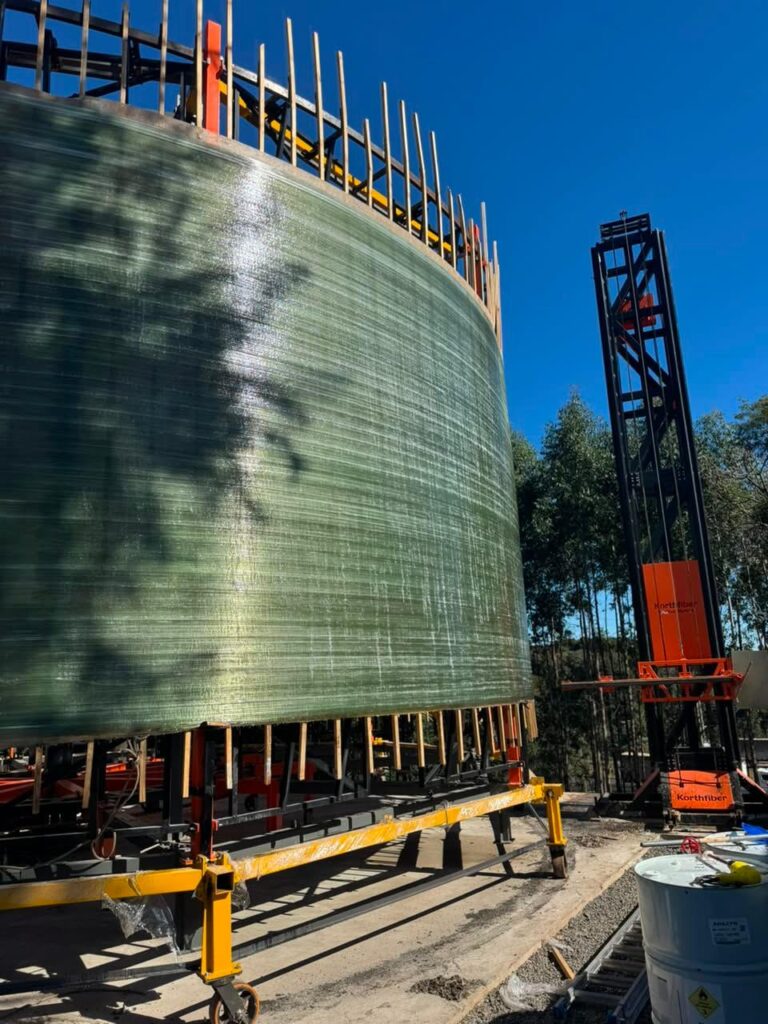
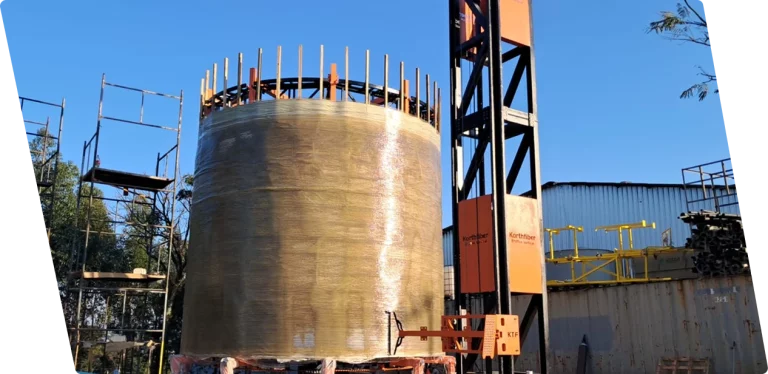
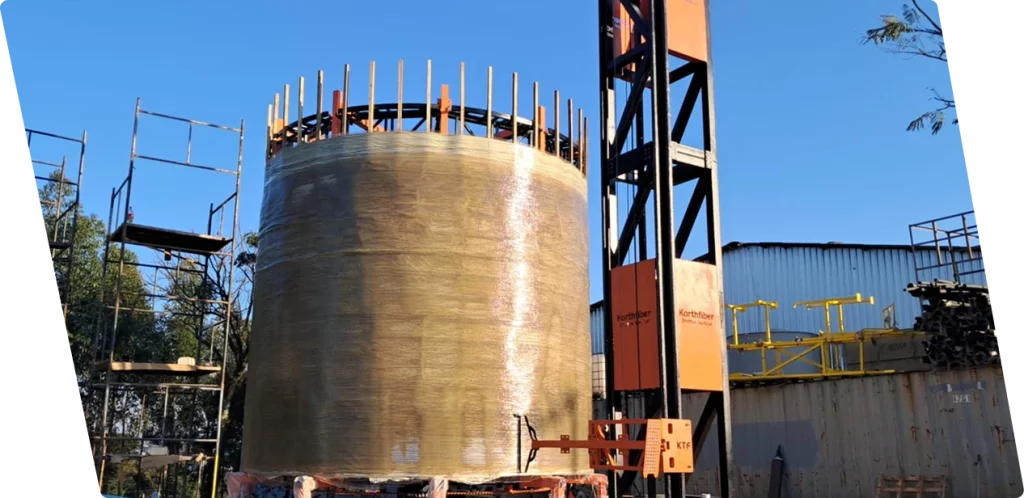
BRUTTUS Vertical addresses one of the industry's biggest challenges: manufacturing tanks that would otherwise be expensive, complex, or impractical to transport in their entirety.
The solution was designed for on-site production. Its modular structure can be transported and assembled near the tank's final installation site.
Korthfiber reports a production capacity for tanks up to 18 meters in diameter and a rated speed of up to 90 m/min. The equipment uses a vertical process, CNC control, and local or remote operation.
On-site production can reduce:
- The need to transport giant structures;
- Route restrictions;
- Special handling operations;
- Logistical complexity;
- Risk of damage during shipping;
- Reliance on manufacturing the tank at a remote facility.
Featured: The main advantage of the vertical system is not just that it produces a larger tank. It allows for a different manufacturing strategy, close to the location where the structure will be installed.
Dimensions must be confirmed during the sales phase, as configurations, accessories, and project requirements may affect the recommended solution.
How to plan a production line for FRP tanks?
Purchasing the machine is only one part of the implementation process. An industrial tank operation must integrate market analysis, engineering, materials, equipment, personnel, infrastructure, and quality control.
Specify the products to be manufactured
Before selecting the equipment, the company needs to answer the following questions:
- What diameters will be produced?
- What will be the length or height of the parts?
- What courses will be offered?
- Will the tanks be standard or custom-made?
- Which sectors will be served?
- Will there be atmospheric, pressurized, or special production?
- How many parts should be manufactured each month?
These answers influence the chuck, the working area, the number of axes, automation, the layout, and peripheral equipment.
Analyze the market before determining the size of the factory
An oversized line may remain idle. A line that is too small may limit contracts and cause delays.
The business study should consider:
- Regional demand;
- Competition;
- Industrial sectors;
- Most popular sizes;
- Sanitation projects;
- Logistics costs;
- Installation services;
- Maintenance;
- Export capability;
- Complementary products.
Plan the infrastructure
The factory needs space to receive raw materials, handle mandrels, manufacture parts, and perform curing, finishing, and inspection.
The following should also be evaluated:
- Industrial ventilation;
- Emissions control;
- Safe storage of materials;
- Electricity;
- Finishing area;
- Handling of parts;
- Overhead cranes or other systems;
- Fire protection;
- Protective equipment;
- Training;
- Emergency Procedures.
The training must cover both the operation of the equipment and the characteristics of composite materials.
Design, inspection, and quality control
Industrial tanks must be treated as engineering equipment, not merely as storage containers.
The design must take into account loads, substances, temperature, environment, geometry, supports, nozzles, and expected service life.
Minimum information required for the project
An initial survey should include:
- Product in stock;
- Composition and concentration;
- Minimum and maximum temperature;
- Density;
- Pressure;
- Vacuum;
- Volume;
- Geometry;
- Installation environment;
- Wind;
- Commotion;
- Mouthpieces and accessories;
- Type of support;
- Foundation;
- Terms of Carriage;
- Applicable technical standard.
Applicable technical standards
The ASTM D3299-26 standard serves as a reference for corrosion-resistant tanks made of glass-fiber-reinforced thermosetting resins.
Its scope includes vertical above-ground cylindrical tanks, manufactured by filament winding or contact molding, intended for use with certain aggressive substances at atmospheric pressure. The standard also notes that pressure, vacuum, temperature, and special loading conditions require additional considerations.
Compliance with a standard is not an automatic result of purchasing a machine. It depends on:
- Project;
- Materials;
- Process;
- Team qualifications;
- Inspection;
- Tests;
- Records;
- Traceability;
- Final documentation.
Relevant inspections
The quality plan may include:
- Visual inspection;
- Dimensional inspection;
- Assessment of the internal surface;
- Thickness control;
- Inspection of nozzles;
- Assessment of healing;
- Leak test;
- Material inventory;
- Recording of machine parameters;
- Batch traceability;
- Pre-shipment inspection;
- Periodic in-service inspections.
The choice of methods must be consistent with the design, the standard, the risk level, and the purpose of the tank.
How do you choose the right technology for manufacturing tanks?
The right technology is one that meets the product's dimensions, production volume, and technical requirements.
For smaller tanks and various cylindrical parts, a compact solution may be sufficient. For large-diameter structures, it is necessary to consider the mandrel capacity, machine rigidity, movement, space, and speed.
When the tank is too large to be transported, on-site vertical fabrication may be the most viable alternative.
Before making a decision, it is recommended that you consider the following:
- Final product;
- Diameter;
- Length or height;
- Chuck mass;
- Number of parts;
- Cycle time;
- Number of axles;
- CNC system;
- Number of strands;
- Voltage control;
- Resin application;
- Layout;
- Potential for expansion.
The choice of machine should be based on the product and the desired capacity. Korthfiber’s technical team can evaluate dimensions, processes, automation, and configuration to design a solution that is compatible with the project.
Fiberglass Tanks and the Future of Industrial Production
The fiberglass tanks They can offer a valuable combination of chemical resistance, low weight, dimensional flexibility, and reduced reliance on metallic corrosion protection.
These benefits, however, do not exist in isolation. The result depends on chemical compatibility, resin selection, the design of the internal barrier, structural sizing, fiber orientation, and quality control during manufacturing.
Filament winding offers repeatability, path control, and the ability to produce cylindrical structures on various scales. With a well-planned production line, the manufacturer can produce everything from small technical tanks to large-scale storage tanks.
Korthfiber operates at this stage of the supply chain: developing machines and solutions for companies that want to manufacture tanks, pipes, poles, pressure vessels, and other composite structures. Its portfolio includes compact equipment, machines for large horizontal parts, and vertical systems for on-site production of mega tanks.
More than just purchasing a machine, setting up a fiberglass operation means integrating engineering, materials, automation, infrastructure, quality, and business strategy.
To start or expand a fiberglass tank manufacturing line, contact the team at Korthfiber and provide the dimensions, products, and desired capacity for the project.